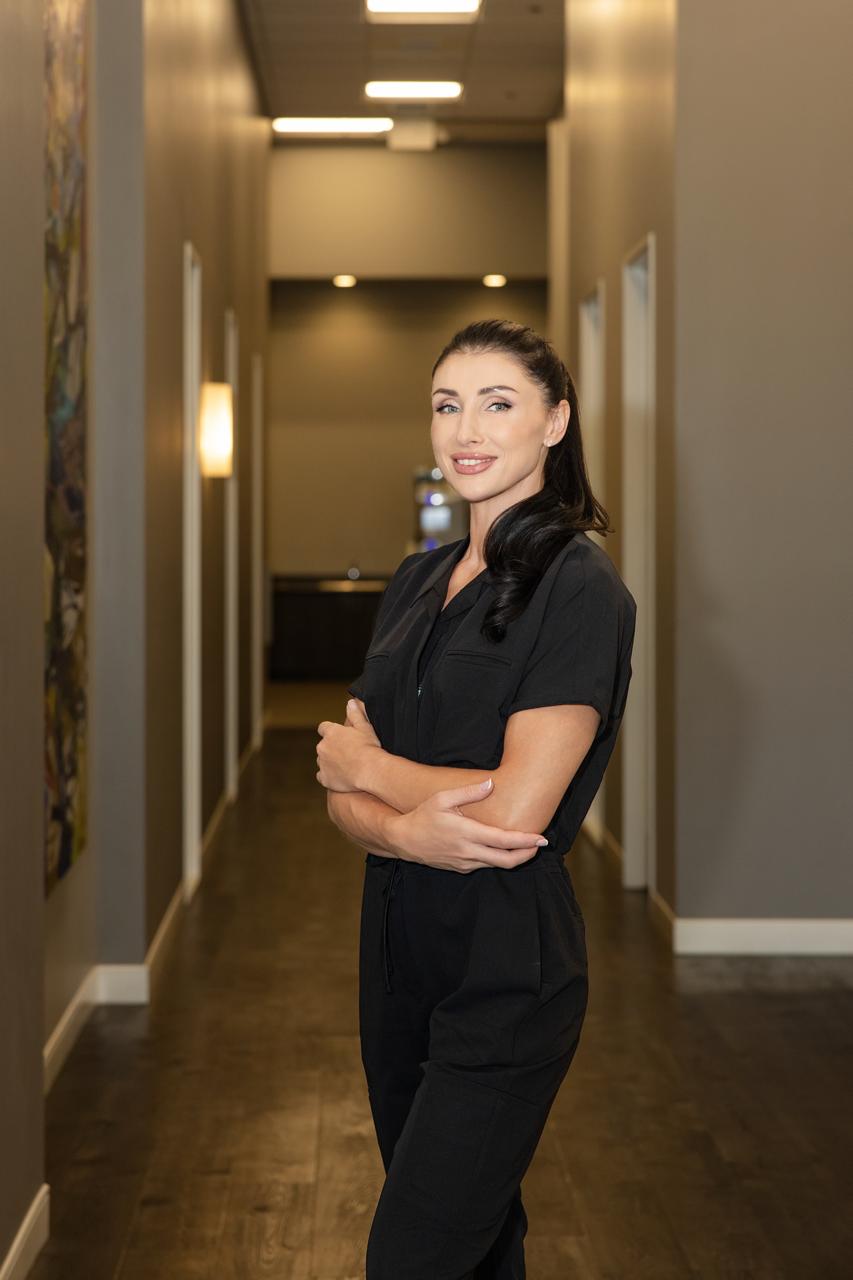

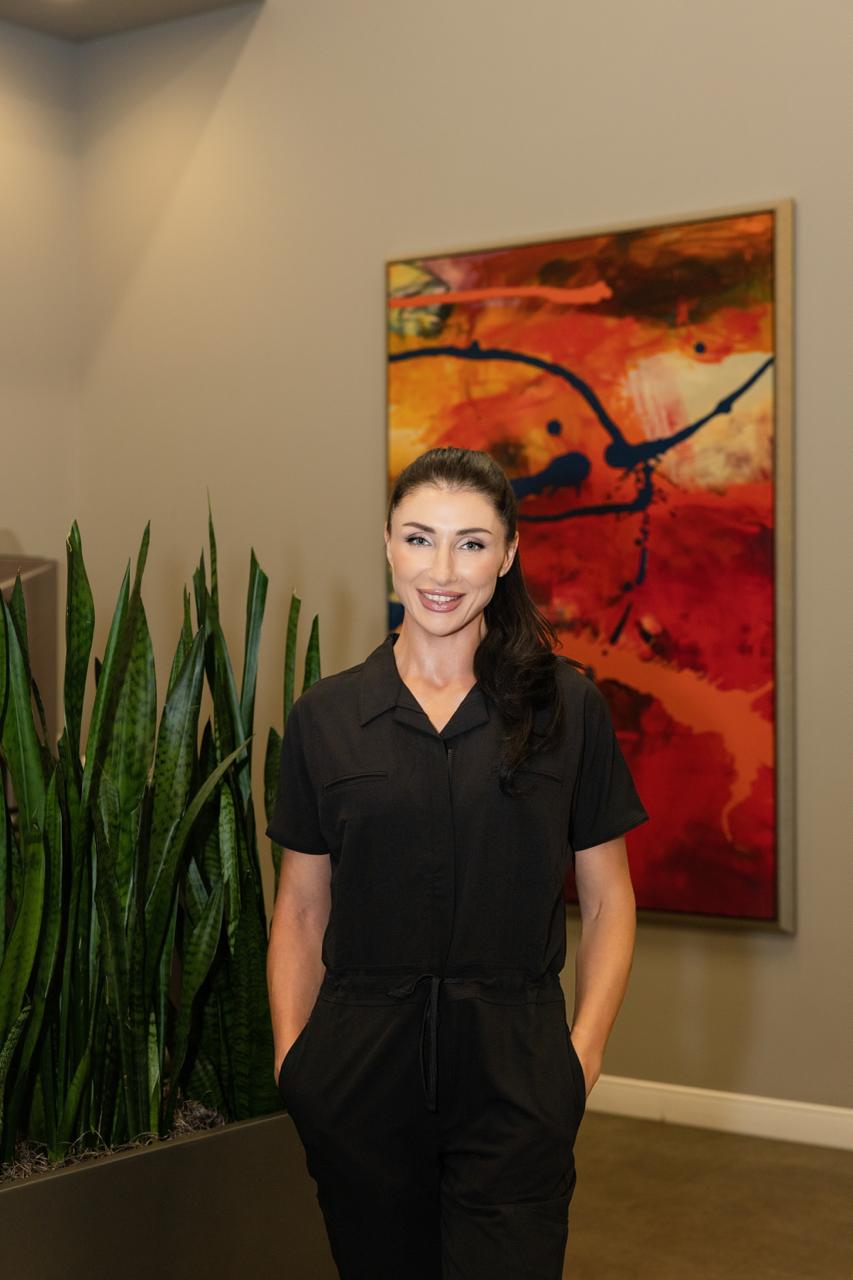
The field of massage therapy has long been an integral part of the culture of health and quality of life in the United States. Yet true professionalism in this industry requires far more than knowledge of anatomy or mastery of techniques. It takes years of education, continuous professional development, a thoughtful approach to every client, and the ability to build trust. This journey becomes especially challenging for specialists who, after moving to another country, have to rebuild their careers, reputations, and businesses almost from scratch. Our heroine is Liudmyla Kozyk, a certified massage therapist based in California who has been working in the profession for more than 10 years and has already helped thousands of people relieve pain, restore mobility, and improve their overall well-being. After moving to the United States, she not only successfully validated her qualifications but also built a thriving private practice where she combines modern techniques, an individualized approach, and the highest professional standards.
instagram.com/bodybliss.sacramento
https://bodyblissmassage.glossgenius.com/

Liudmyla, tell us what originally led you to pursue a career as a massage therapist?
I have always been drawn to professions where you can see the real results of your work and feel that you are genuinely helping people. That is why I chose massage therapy. At first, I was inspired by the opportunity to help people relieve pain, recover from injuries, or regain their strength after physical exertion. But over time, I realized that it is about much more than simply working with the body. People often come not only with physical discomfort but also with stress, fatigue, and emotional exhaustion. It is incredibly rewarding to see how, after several sessions, they begin to move differently, feel more confident, smile, and say that they can finally live without pain again. Those moments ultimately convinced me that I had found my calling. After more than 10 years in the profession, that feeling has not disappeared; on the contrary, it has only grown stronger. Even today, I genuinely enjoy going to work because I know that I can make someone's life at least a little more comfortable.
For many professionals, moving to the United States means having to rebuild their careers almost from scratch. How did you experience this period?
Moving to the United States was a real challenge for me. I already had years of experience, knowledge, and hands-on practice behind me, but in a new country, that alone was not enough. I had to study again, obtain an American education, go through the licensing process, become familiar with different professional standards, and build my reputation practically from the ground up. I will not hide the fact that there were difficult moments. A new language, a new system, and the absence of an established network or client base all required a great deal of resilience. At the same time, America taught me not to be afraid of starting over. Professionalism and the way you treat people are highly valued here. If you work honestly, continue learning, improve your skills, and genuinely want to help, people recognize it. Looking back, I realize that this journey made me much stronger, both as a professional and as a person.
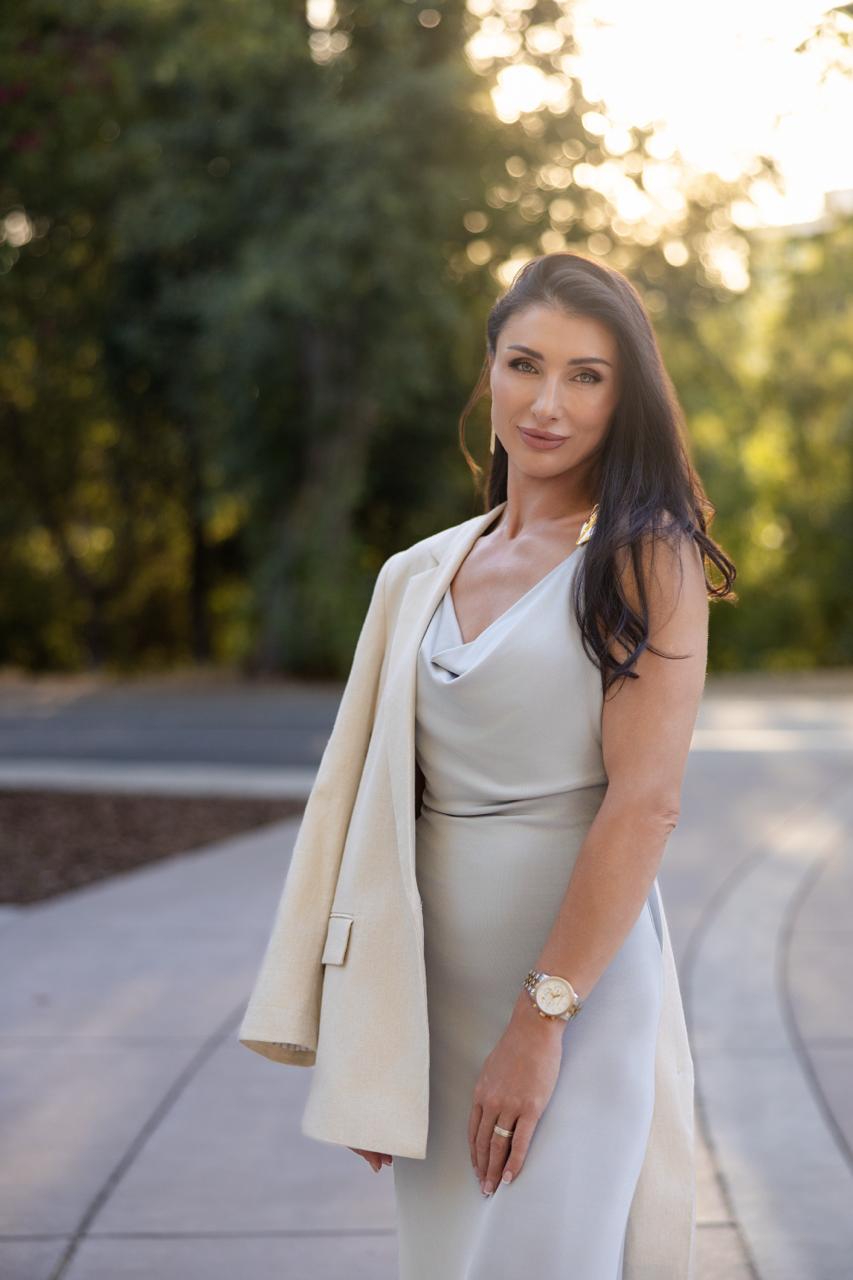

Today, you work in one of the most competitive areas of the wellness industry. How did you manage to build your own practice and earn the trust of people who now recommend you to their friends and continue coming back to you?
I never set out simply to increase the number of clients. For me, it has always been much more important to build trust and create a place people want to return to because they experience real results. I always listen carefully to each person and try to understand not only where the pain is but also why the problem has developed. I believe that a good specialist must work not only with their hands but also with their mind. Every client has a unique story that requires an individualized approach. I never promise instant miracles. Instead, I honestly explain what we can do and what kind of results they can realistically expect. I believe that this openness and sense of responsibility have helped me gradually build a loyal client base. Today, most new clients come through referrals, and to me, that is the most valuable form of professional recognition.
Liudmyla, your professional philosophy is based on an individualized approach to every client. How does your consultation work, and what do you take into consideration before beginning a session?
For me, a consultation is not a formality; it is a very important part of the process. Before starting a session, I always get to know the person, ask about their lifestyle, physical activity, previous injuries, chronic conditions, the nature of their pain, and their expectations for treatment. Very often, during this conversation, it becomes clear that the source of the problem is actually somewhere other than where the person feels the pain. I never follow the exact same approach with every client. What works effectively for one person may be completely unsuitable for another. An individualized approach allows me to select the techniques that will provide the best possible results while also being safe. I always say that our bodies are incredibly intelligent; we simply need to learn how to listen to them.
After more than 10 years in the profession, you have helped a tremendous number of people. What problems most often bring clients to your practice today?
Most often, people come to me because of pain in the neck, back, lower back, or shoulders, as well as headaches caused by muscle tension, the effects of sedentary work, or physical and sports activities. Chronic stress is also very often a contributing factor, and it can literally accumulate in the body. Over the past few years, I have noticed another important trend: people have become much more attentive to their health. In the past, most clients came in only after an acute problem had already developed. Today, more and more people are incorporating massage into their regular routines as part of prevention and a healthy lifestyle.
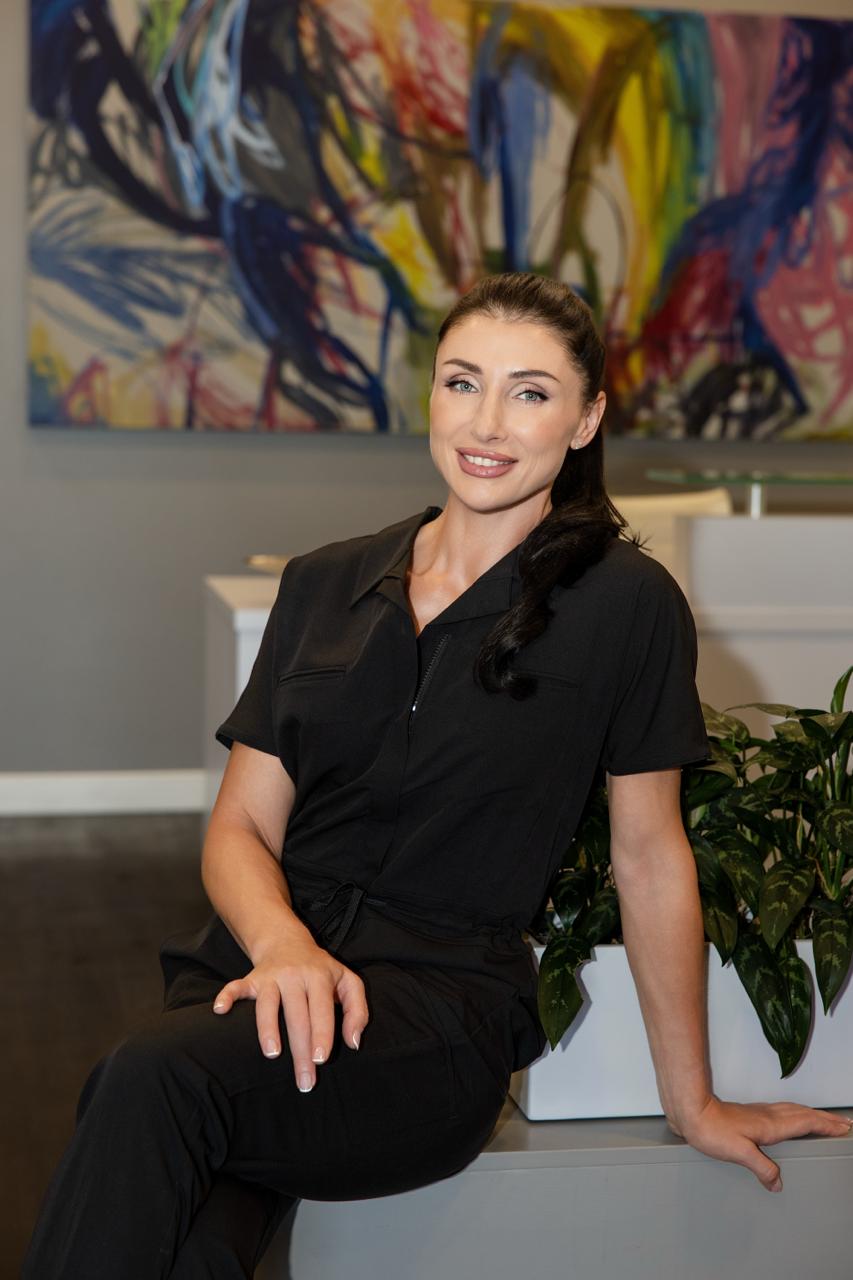
You work across different areas of massage therapy, including therapeutic, sports, lymphatic drainage, prenatal massage, and others. How do you determine which technique will be most effective for a particular person?
Before every session, I assess the person's overall condition, level of physical activity, lifestyle, chronic conditions, previous injuries, and any contraindications. It is very important to understand not only the symptom but also the underlying cause, as this determines which techniques should be used. Quite often, I combine several approaches during a single session because a comprehensive treatment can produce significantly better results. My goal is not simply to perform a particular type of massage, but to select the combination of techniques that will be as effective and safe as possible for that individual. In my opinion, this is what true professionalism in massage therapy is all about.
Liudmyla, in your opinion, what should people look for when choosing a massage therapist?
I always advise people to look beyond attractive social media pages and pay attention first and foremost to education, licensing, professional experience, and reviews from real clients. A good specialist will always conduct a consultation, ask questions about your health, explain their treatment plan, and never promise instant results. Professionalism is, above all, about taking responsibility for the person who has entrusted you with their health.
Looking back at your entire professional journey, from your first steps in the field to building a successful practice in California, what makes you feel the most proud today?
Honestly, I am most proud not of my diplomas or certificates, although they represent a great deal of hard work as well. What means the most to me is the trust I have earned from people over the years. I am grateful to every client who once entrusted me with their health and then came back again or recommended me to their loved ones. Of course, I am also proud that I was able to build my own practice in a new country, where I had to start almost from scratch. It was not an easy journey, but it taught me never to stop moving forward. I still have many professional goals ahead of me. I want to continue learning, explore new areas of massage therapy, expand my practice, and help even more people improve their quality of life. For me, the greatest success is seeing people leave my practice without pain, with a smile on their face, and with the desire to come back again.