
Every success story has a point where it all began. The stories of people who are not afraid to change careers, start from scratch, and build something new in another country are particularly inspiring. The heroine of our interview is Oksana Korshun, a Ukrainian who now lives in the United States and is growing her own pastry brand. Her professional journey began in IT and marketing, but over time, her passion for pastry transformed into her life's work. Today, Oksana creates premium European-style artisan cakes, develops her business by combining creativity with entrepreneurship, and is working toward scaling her brand.
thelayercakeschicago@gmail.com
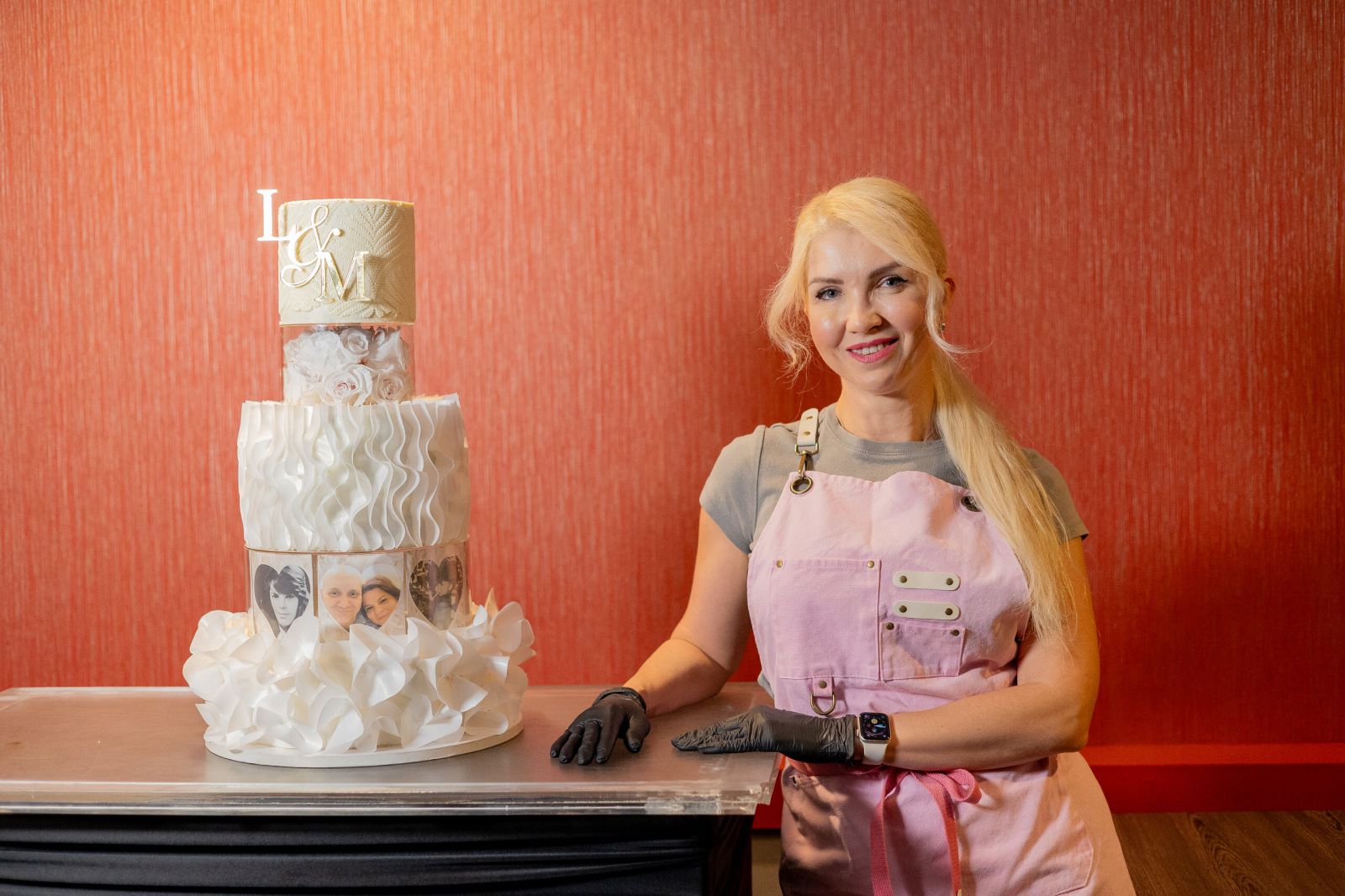
Oksana, today you are known as the founder of a successful pastry brand, but your professional background was completely different. When did you realize that pastry was no longer simply a hobby, but a new chapter in your life?
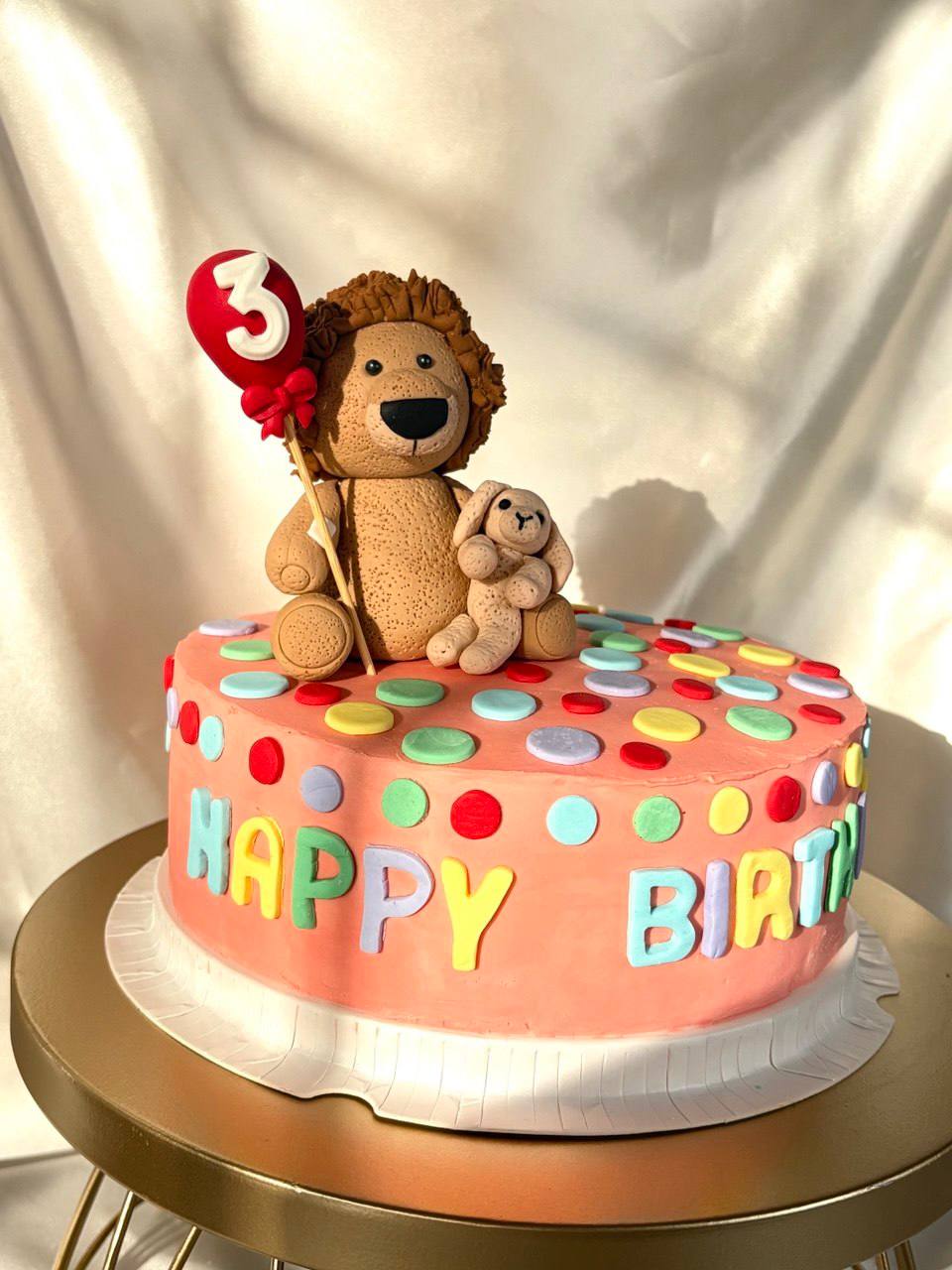
I worked in IT for almost 15 years as a project manager and was also the owner of a large online project. I worked closely with programmers and felt very comfortable in that environment. Pastry was initially just a hobby. Everyone in my family cooks well, and after we moved to the United States, my friends began complimenting my desserts even more. But I became seriously interested in pastry after the birth of my younger son, when I had a little more time for learning and experimenting. When my son was about three years old, I started baking cakes to order, sharing them on Instagram, and getting my first clients without any advertising. I finally realized that I wanted to pursue it professionally after making my first cake and receiving a video testimonial from the client about its taste and quality. That was when I felt that I had found what I was meant to do.
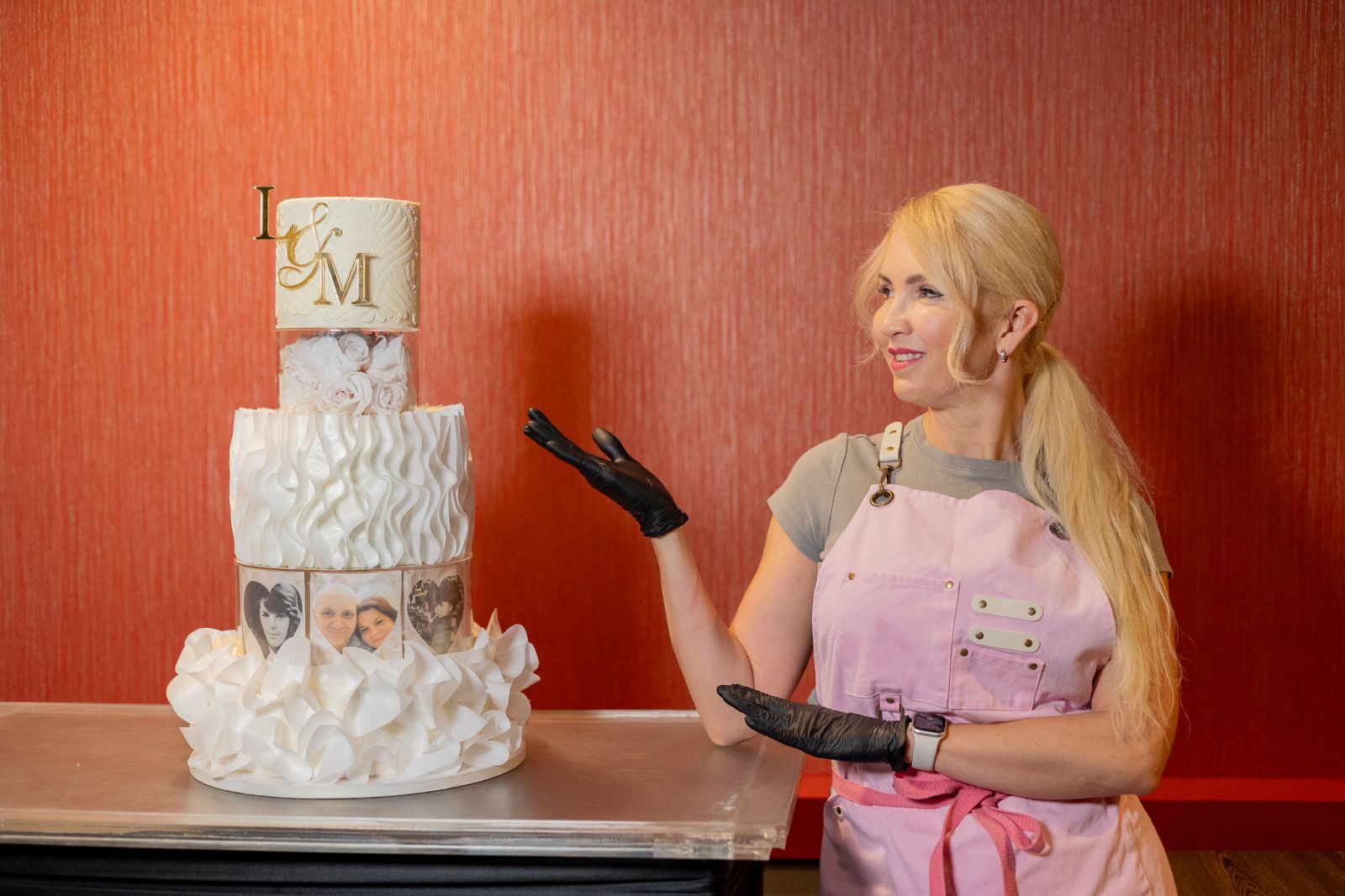
You create not simply desserts, but true signature creations. What does a high-quality modern pastry product mean to you?
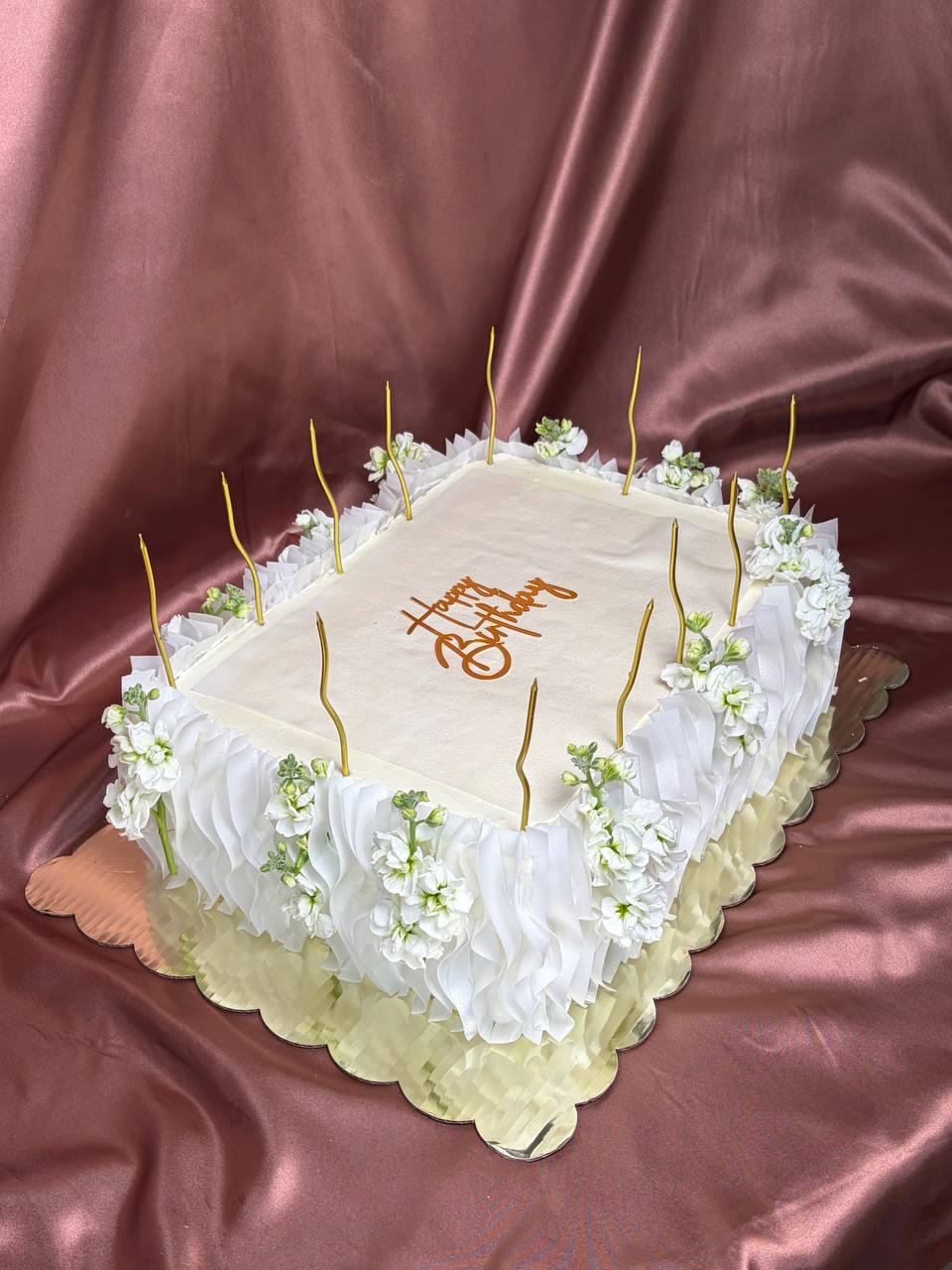
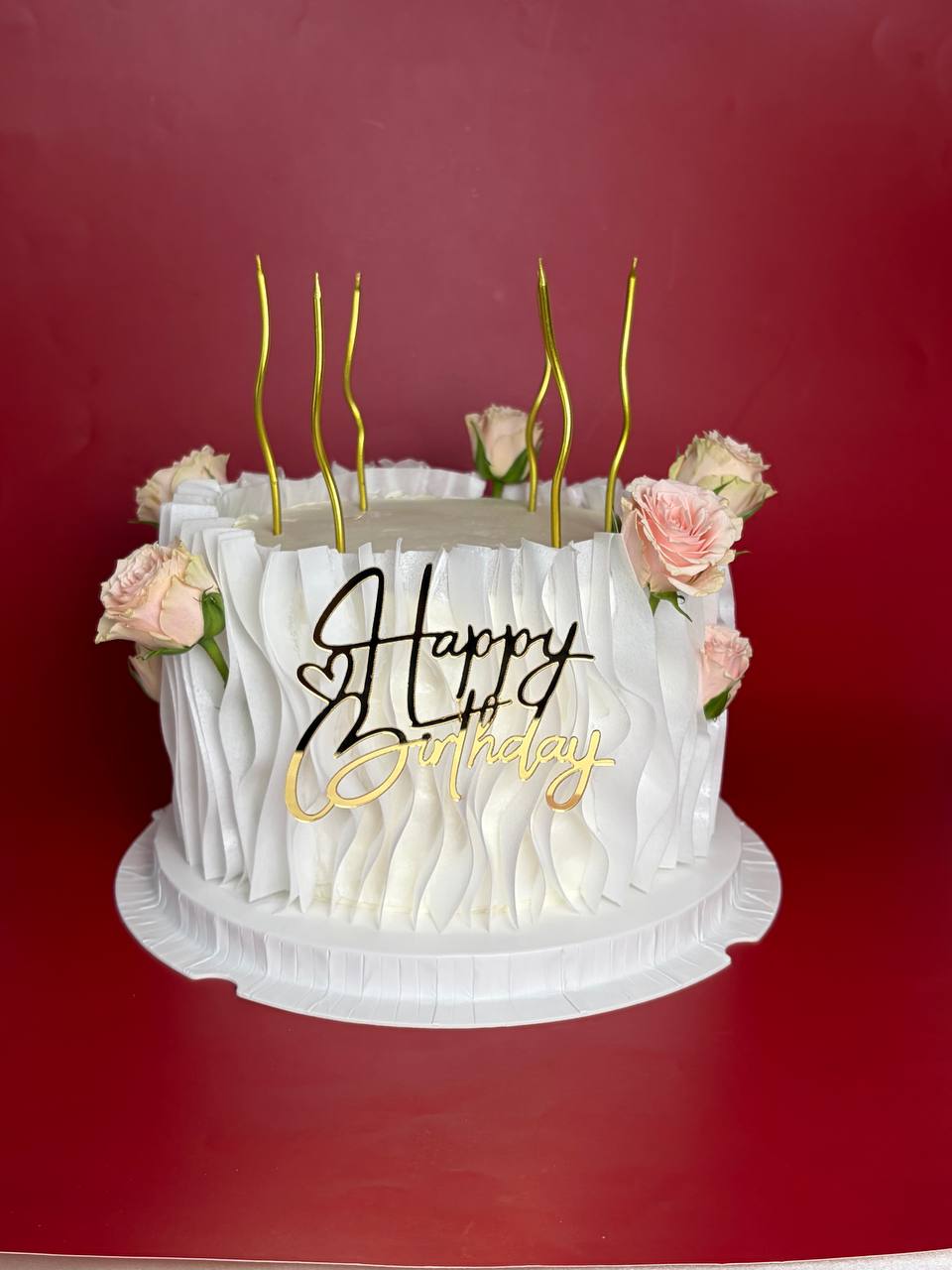
For me, a high-quality modern pastry product is a combination of great taste, aesthetics, and high-quality ingredients. When we moved to the United States, I became especially aware of how difficult it was to find desserts that matched my understanding of quality. Many of them were overly sweet and overloaded with flavors, stabilizers, and other additives. I always wanted to do things differently: create cakes that look beautiful while remaining delicious, light, and well-balanced. It is very important to me that a person first sees the cake and wants to try it, and then, after the first bite, realizes that there is a truly high-quality product behind the beautiful appearance. I use a European approach to desserts and work with my own recipes, so I want my cakes to stand out not only because of their appearance but, above all, because of their taste and ingredients. To me, a pastry product becomes truly signature when you can recognize it by its aesthetics, flavor, and the feeling it leaves behind.
For many people, being a pastry chef looks very romanticized: beautiful cakes, celebrations, happy clients. What is the reality of this profession?
There is a tremendous amount of physical work behind a beautiful cake. Sometimes I work until three or four in the morning because everything needs to be prepared, assembled, smoothed, and decorated, and then I have to return to work again in the morning. And it is not only about physical exhaustion. Right now, it is especially important to me to be there for my younger son and not miss his childhood. At the same time, pastry gave me something I had been missing in my work at a computer: here, you can literally see the result, hold it in your hands, and realize that you created it yourself. Even six months or a year later, a finished cake does not simply remain somewhere in a digital space. You can see it in front of you and feel the satisfaction of knowing that you created it with your own hands. Client reactions also mean a great deal to me: their messages, photos from celebrations, videos, repeat orders, and comments about how much they enjoyed the taste. So yes, this profession is physically demanding, but when you see the result of your work and realize that it has brought someone joy, the exhaustion feels completely different.
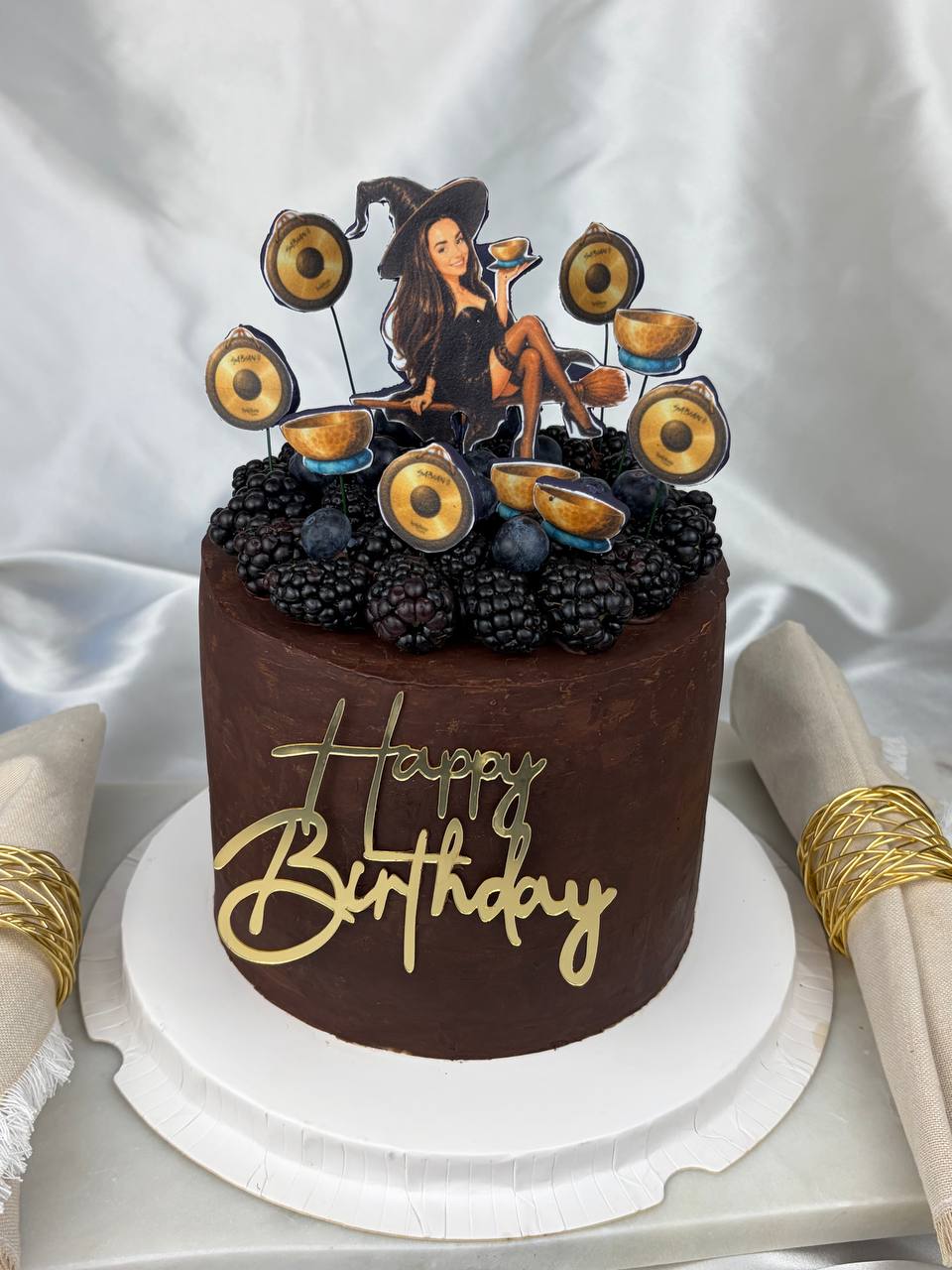
You have spoken more than once about how important it is for you not only to create beautiful cakes but also to build something bigger. You are currently openly looking for a business partner who can help you scale production. Why do you feel the need for a partnership at this particular stage?
At this point, I have a very clear understanding of my strengths: marketing, advertising, customer acquisition, working with an audience, systematizing processes, and understanding how to grow a business in the U.S. market. This is what allowed me to build my customer base with virtually no significant advertising budget and see that there is genuine demand for my product. But I also recognize my weaker area, which is production, especially when it comes to scaling: equipment, mixers, kitchen organization, production processes, shelf life, volumes, and everything that happens behind the scenes. I can figure all of this out on my own, take consultations, invest my time, and gradually establish the processes, but I understand that it would be much more efficient to find someone who already has strong practical experience in this field. For me, partnership is not about giving someone a share of what I have built. It is about bringing together two areas of strength: my expertise in marketing, systematization, and business development, and a partner's experience in production. That is why I am open not only to a traditional partnership but also to consulting or collaboration if I find someone who can genuinely complement me professionally. The most important thing is that we share the same understanding of product quality and responsibility toward clients and see the potential for growing this business, from a small pastry production facility in Illinois to potentially expanding into other states.
Entrepreneurship always involves responsibility, risk, and continuous learning. What business lessons have been the most valuable to you in recent years?
For me, the most important lesson is that entrepreneurship is first and foremost about taking personal responsibility for your decisions, being willing to take risks, and continuously learning. I have read many business books, listened to podcasts, watched a great deal of content about entrepreneurship, and I continue to do so. But no book or course can give you the experience you gain when you make decisions yourself, make mistakes, correct them, and see the real results. I also realized how important it is to listen to yourself and notice what gives you energy and what drains it. Working at a computer literally caused a physical sense of rejection in me, whereas cakes seemed to carry me forward like a wave. I felt that this was truly my path. At the same time, I learned not to expect everything from myself at once. When you start something new, you do not need to build a large company within a few months. It is important to move gradually and not devalue small achievements. Perhaps that is what entrepreneurship means to me today: having your own idea, taking concrete steps, being willing to learn from your mistakes, and gradually turning something you love into a real business.
Oksana, many Ukrainian women who move abroad dream of starting their own businesses but often doubt their abilities. What advice would you give to those who are just starting out and are afraid to take the first step?
I would advise starting with small steps: create an Instagram page, come up with a name, make your first product, take a photo or shoot a video. Do not limit yourself to the Ukrainian community alone. It is much more useful to look for relevant American groups, communicate with people who understand the local market, and learn from those who can share practical experience. It is also essential to learn how to showcase your work online: photograph and film the process before, during, and after, because a strong digital presence is extremely important for the development of any business today. I also see nothing wrong with using modern tools such as translators, GPT, and other technologies that help you communicate faster, find information, and work more efficiently. And most importantly, do not wait until you feel 100 percent ready. Just take the first step and see where it leads you.