

Sometimes the path to a profession begins not with a clear plan, but with a question that refuses to go away for years: Why am I living this way — and can I live differently? For Iryna Kundenko, psychology initially became a way to understand her own life, and her personal interest eventually grew into systematic education and professional work with people. Today, Iryna is a psychologist, life coach, and entrepreneur. She lives in the United States, works in the fields of personal development and psychological education, and develops projects in two countries. In Ukraine, Iryna founded Mazanka UA — a space where her entrepreneurial experience has come together with her understanding of how our environment influences us.
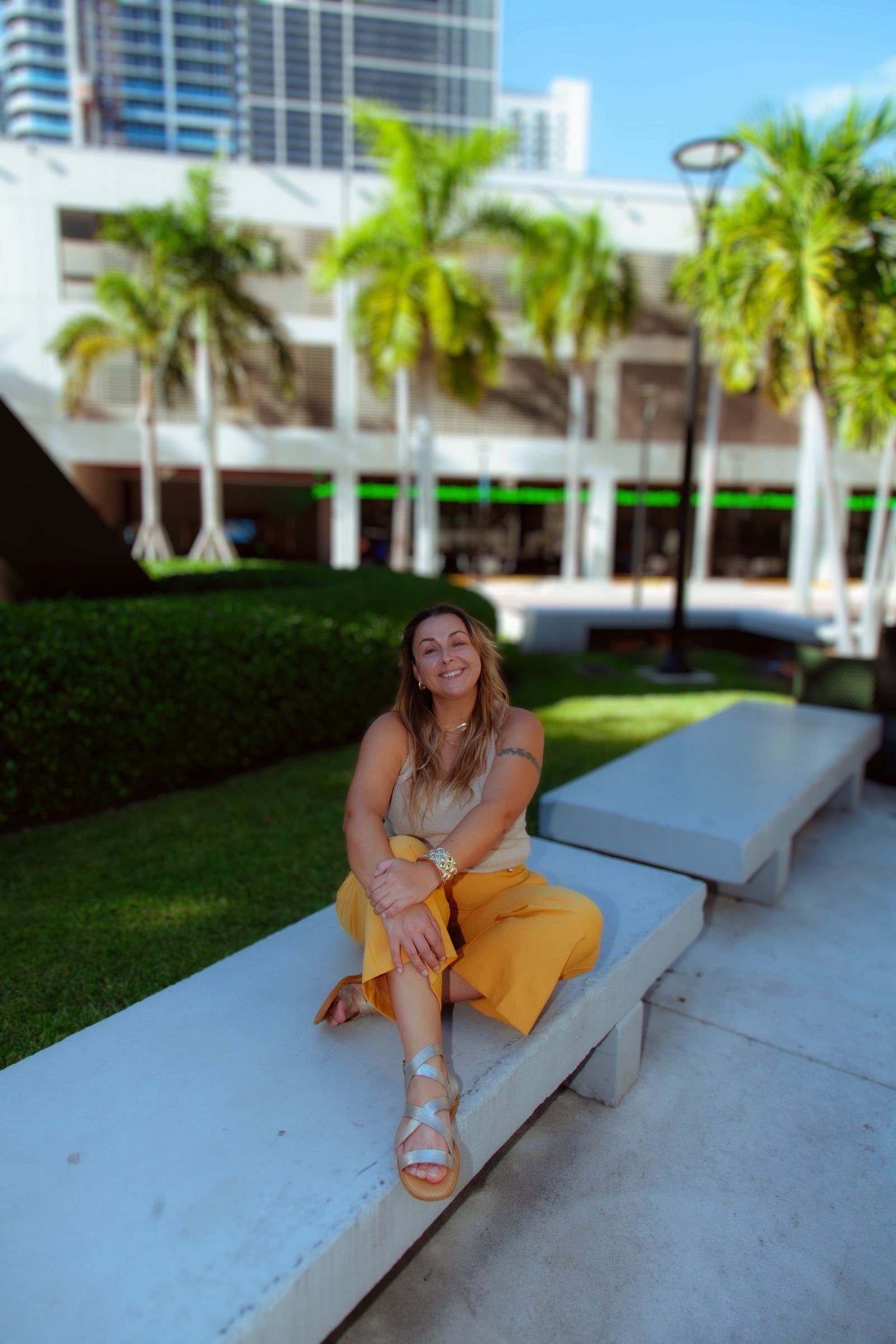
Iryna, tell us how your professional journey began. What originally led you to psychology?
Psychology has been part of my life since I was 18, but at first it was not a profession. It was a way to change the things I did not like and understand why certain things were happening to me. It was important for me to identify the reasons behind them and understand whether I could influence my own life. I learned to recognize my own reactions, overcome fears, change familiar patterns, and do things that once seemed impossible. This experience showed me that change really is possible. But when you take responsibility for another person, desire and intuition alone are not enough. You need systematic knowledge, professional ethics, and supervision. After moving to the United States, I decided to turn my long-standing interest into a professional path. I have two master’s degrees — in Economics and Psychology — as well as an MBA and a specialization in Clinical Psychology. Even while studying, I began working with real client concerns under supervision.
What concerns most often bring people to you today?
Quite often, they are intelligent, driven, outwardly successful people. From the outside, everything seems fine, but internally they may be experiencing exhaustion, emptiness, or a loss of connection with themselves. A person becomes accustomed to living according to “should,” adapting to others, putting their own desires aside, and eventually can no longer answer the question: What do I actually want? I am drawn to the idea of personal development not as an endless process of self-improvement, but as a return to yourself: hearing your own needs and stopping the pattern of living in a compromise that may preserve external peace while gradually taking away your energy and sense of meaning. I am not an advocate of looking for trauma behind every difficulty. Sometimes a person simply needs clarity, a concrete decision, and a new way of acting.
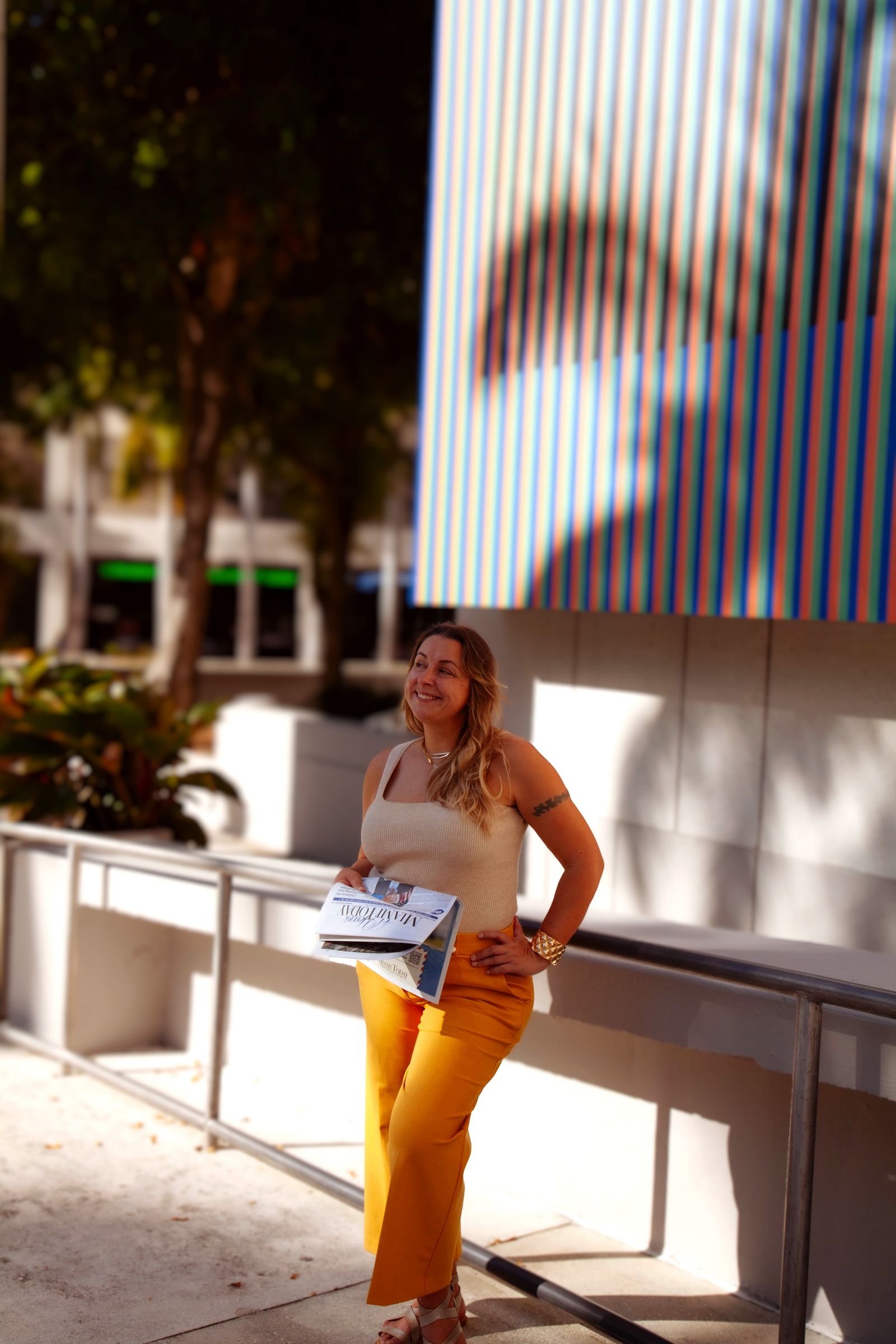
What stories from your clients have left the deepest impression on you?
I am especially touched by stories in which a person gradually stops seeking permission from others to be themselves. In my practice, I have met many women who found themselves caught between strong feelings for a partner and the need not to give up their own path. They wanted to love and be loved, to have intimacy and clarity in a relationship, while also preserving the right to professional fulfillment. Their partner could be an important and deeply loved person but still not be ready to offer the kind of relationship the woman needed. Yet because of the strength of her feelings, she continued to hope that things would eventually change. She explained her needs, defended her ambitions, and tried to convince her partner to accept her as she was. Gradually, something deeper would emerge: as though her right to want more depended on his acceptance. In our work, we would separate her feelings for the person from the reality of what that person was actually able to offer. Recognizing that someone is important to you does not mean agreeing to a relationship that continually hurts you. And accepting another person's limitations does not mean abandoning your own needs. The most important change happened when a woman stopped trying to prove the value of her desires to someone else and began taking those desires seriously herself. She allowed herself to want both a mutually fulfilling relationship and professional realization without having to choose between love and herself. For me, the depth of these stories is not only in the external achievements that may follow. It is in the fact that a person begins to see a relationship for what it truly is and stops using love as a reason to give up her own life.
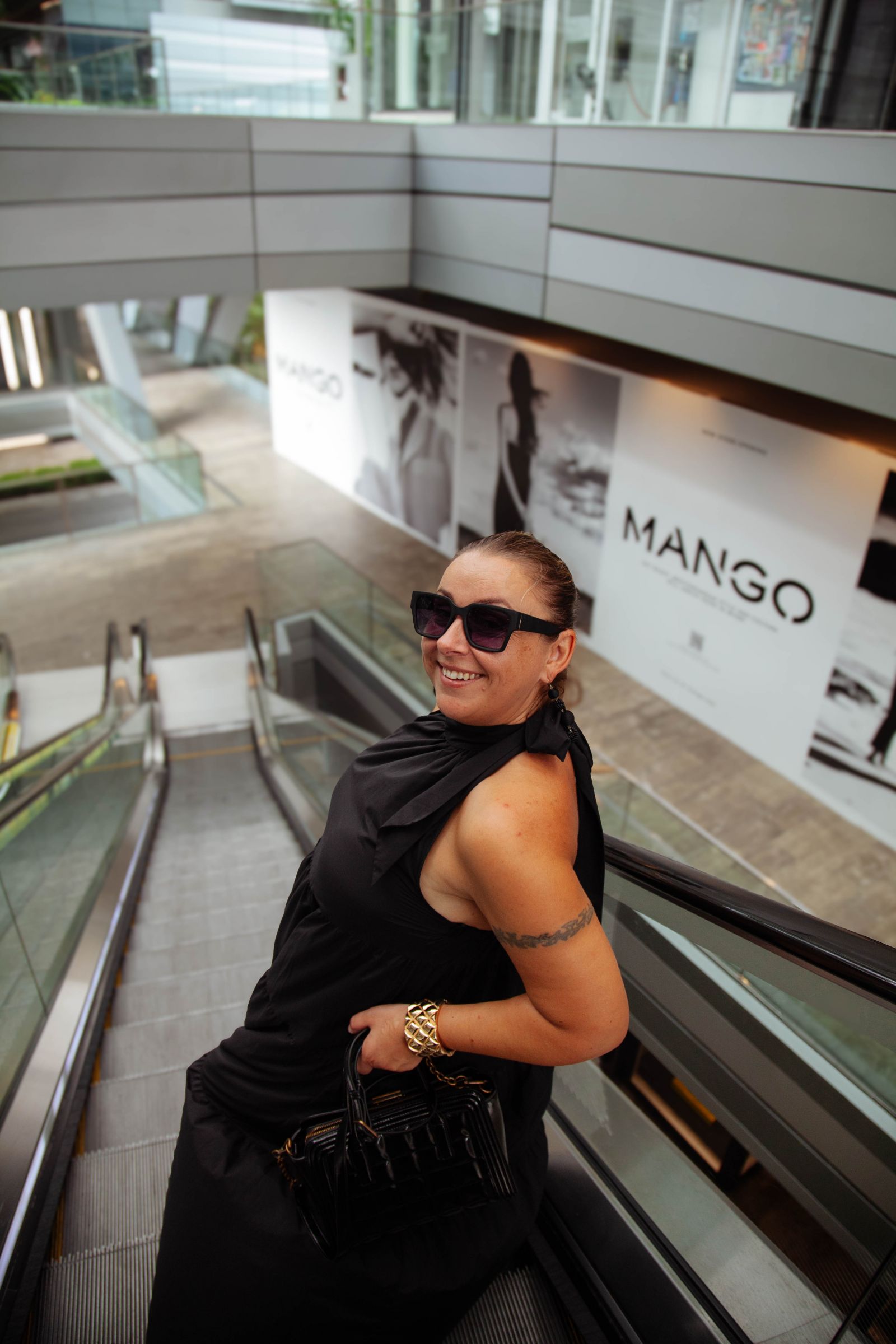
Iryna, how do you maintain your professional qualifications? What contemporary approaches do you use in your practice?
For me, learning is a continuous process. I continue my professional education and work under supervision. Depending on the client’s concerns, I may use elements of cognitive behavioral work, exploring thoughts, beliefs, reactions, and behavior. In other cases, we look at unconscious mechanisms, recurring patterns, and internal conflicts. We begin with a specific question: What does the person want to change, and what is keeping them in their current situation? From there, we develop steps that can not only be discussed but also tested in real life.
In addition to your work in psychology, you created your own business in Ukraine — vacation cottages. How did this idea come about?
This is a very special story for me. It began with a list of wishes: to have my own business, work with clients from different countries, and give new life to a country house that had stood unused for almost 15 years. And then the magic began. My husband suggested that we take on the house, my parents supported my plans, and my brother introduced the idea of green tourism and offered financial assistance. Together, we began bringing the idea to life. For me, it was not simply a business but an opportunity to create a space where people could slow down and restore their energy. Today, Mazanka UA welcomes guests from different countries. I work remotely on its development and bookings, while my parents take care of the cottages. What is especially meaningful to me is that the project has become a family business and gives my parents a sense of purpose and an opportunity to stay actively involved.
What has been your greatest professional achievement during your years in America?
Probably the fact that after moving, I not only refused to give up on my professional fulfillment but also began building it in a new country. I arrived with limited English and understood that I could not simply transfer the same professional path I had followed before to the United States. I continued my education, began working with people under supervision, and found a format in which I could apply the knowledge and experience I had gained in Ukraine professionally and ethically: life coaching, personal development counseling, and psychological education. Today, I am gradually establishing my professional presence in the United States and developing a practice that builds on my previous qualifications while taking into account the rules and realities of my new country. For me, that is a tangible achievement: not starting myself from zero, but finding a new form for everything I had already built.

Iryna, how do you envision your professional work in the United States several years from now?
Psychology will continue to be an important part of my work. I want to develop my individual practice and educational programs and talk about complex inner processes in simple language — without magical promises or the idea that a person needs to be “fixed.” At the same time, I do not want to limit myself to one direction or place the entire financial responsibility on it. Entrepreneurship and my own projects will also remain important pillars of my life. These fields complement one another: psychology helps us understand what holds us back from change, while entrepreneurial experience helps turn ideas into tangible results. I do not know all the details of the future, but I know the direction I want to take: to continue learning, develop my own projects, and help people move beyond old patterns and find solutions that align with their needs, desires, and real possibilities.