
Modern aesthetic medicine has long gone beyond simply changing one’s appearance. Today, it is a field where safety, medical expertise, natural-looking results, and an individualized approach to every patient have become the key priorities. Professionals who combine extensive medical knowledge, continuous education, and a refined sense of aesthetics are becoming increasingly important. We spoke with Viktoriia Budz about her professional journey, life and work in the United States, modern trends in aesthetic medicine, common misconceptions, and the responsibility that comes with working with patients.
instagram.com/viktoriia_ablaesthetics
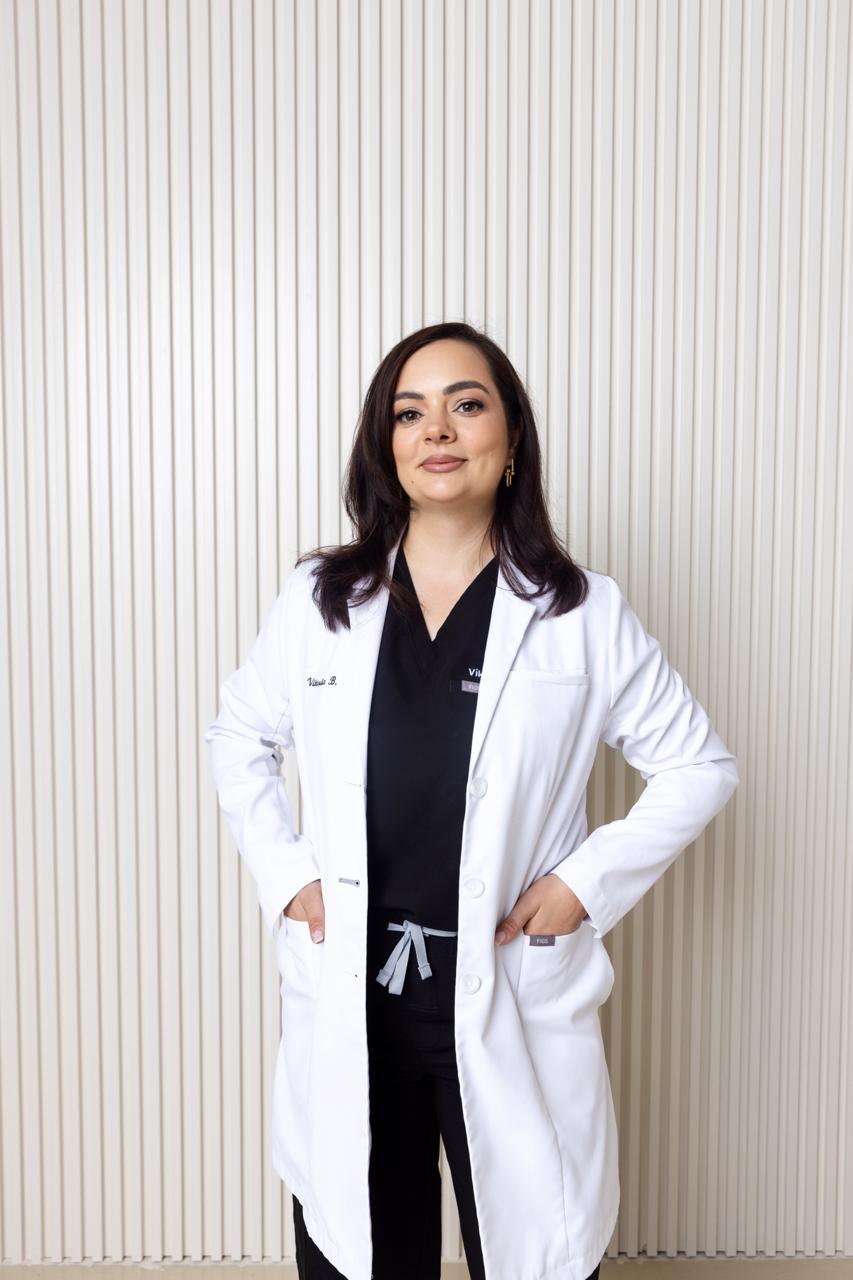
Viktoriia, tell us how your professional journey began. Why did you choose this particular specialization?
My professional journey was quite long and definitely not a story of overnight success. I moved to the United States when I was nineteen. In Ukraine, I graduated from a pedagogical college, but almost immediately realized that I wanted to build a new life in America and pursue an education that would open up more opportunities for me. I worked full-time while studying in the evenings, gradually learning a new language, adapting to a new education system, and trying to find my own path. This journey took more than eleven years, during which I gradually earned my medical education and later a master’s degree. At first, I worked as a nurse, caring for patients in their homes, helping people recover after surgery, performing wound care, and seeing them gradually regain their health. That was when I realized how much I loved medicine, but at the same time, I also understood that I was deeply affected by people’s pain and often carried it home with me emotionally. That was when I turned my attention to aesthetic medicine — a field where I could help people feel more confident, beautiful, and happy while combining my medical knowledge, my love of anatomy, and my desire to see positive results from my work.
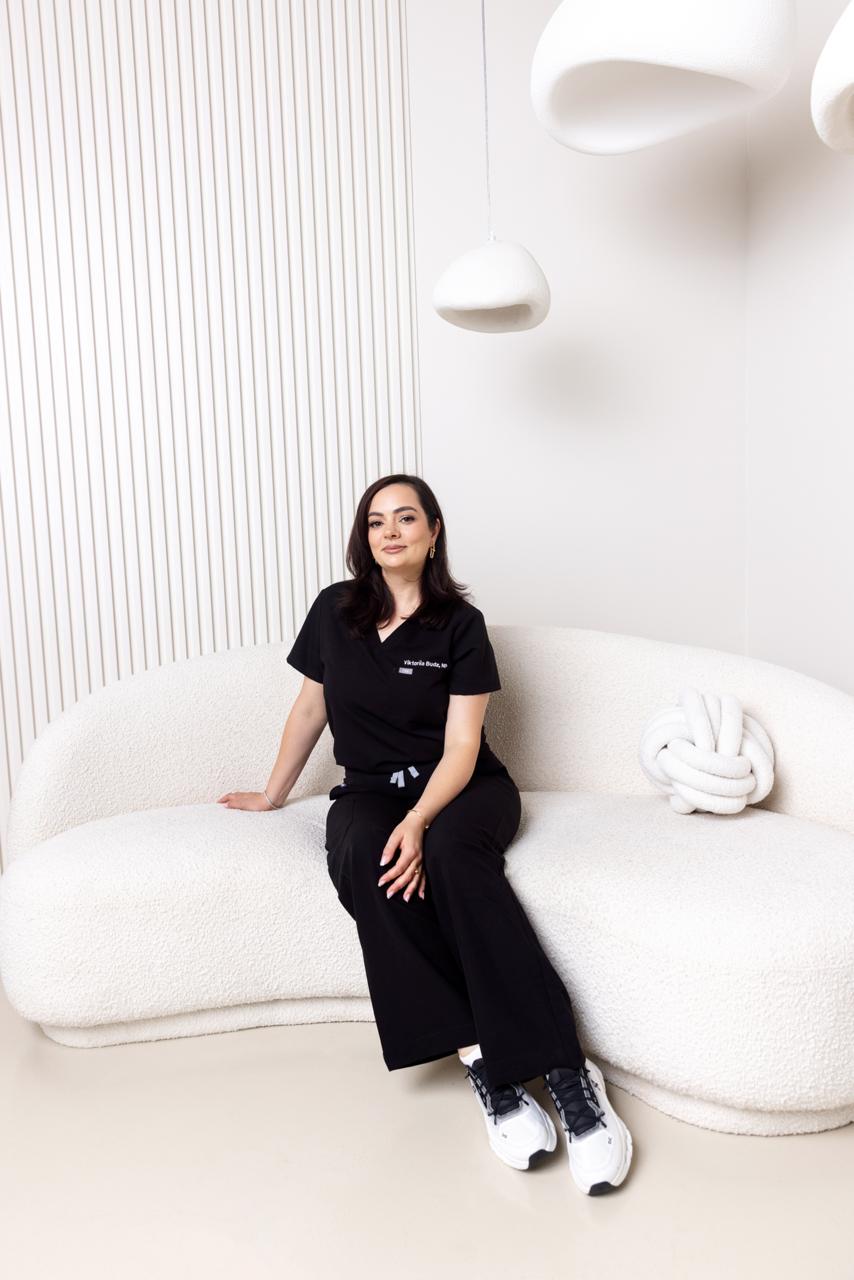
Today, you work in one of the most dynamic areas of aesthetic medicine, where technologies change almost every year. How important is continuous education for a modern specialist?
For me, education is not a separate stage of my career; it is an ongoing part of it. Aesthetic medicine is developing so quickly that a specialist simply cannot afford to stop learning if they want to work safely and provide high-quality care. I regularly attend new trainings, professional courses, and international masterclasses because I see every new patient request as an opportunity to become an even stronger specialist. For example, when I began seeing patients with complex lip anatomy, I realized that I wanted to deepen my expertise in this particular area. So I traveled to France for specialized training focused on complex clinical cases. For me, it is important not simply to learn new techniques, but to understand when they are truly appropriate. In the United States, we work according to very high safety standards and rely only on techniques and products whose effectiveness is supported by substantial clinical research. I am always very cautious about new trends, and I believe that a true professional should continue learning throughout their entire career, but should never experiment on their patients.
Injectable aesthetics continues to generate a lot of debate. For some, it is a way to preserve their youth in a subtle manner, while for others, it creates a fear of losing their natural appearance. Why do you think there are still so many stereotypes surrounding this field?
In my opinion, most stereotypes arise because people tend to notice only unsuccessful or excessive results. When we see overly large lips or a face that has been changed in an unnatural way, those examples are what stay in our minds and shape our perception of injectable aesthetics as a whole. At the same time, we rarely realize that there are women around us who regularly visit an aesthetic practitioner but look so natural that no one would ever know they have had procedures. In my opinion, those are the results that truly demonstrate professionalism. Modern aesthetic medicine has long moved away from the desire to radically transform someone’s appearance; today, it is about subtly enhancing natural beauty. Unfortunately, social media often promotes extremes, creating a distorted perception of the entire field. That is why I always tell my patients not to judge aesthetic medicine by its most dramatic examples, because truly high-quality work often goes unnoticed by everyone around you. My goal is not to create a new person, but to help a patient look like the best version of themselves. Good injectable aesthetics should never change someone’s individuality or erase the features that make them unique. It should simply refresh the face, restore a rested appearance, and help preserve harmony and natural proportions.
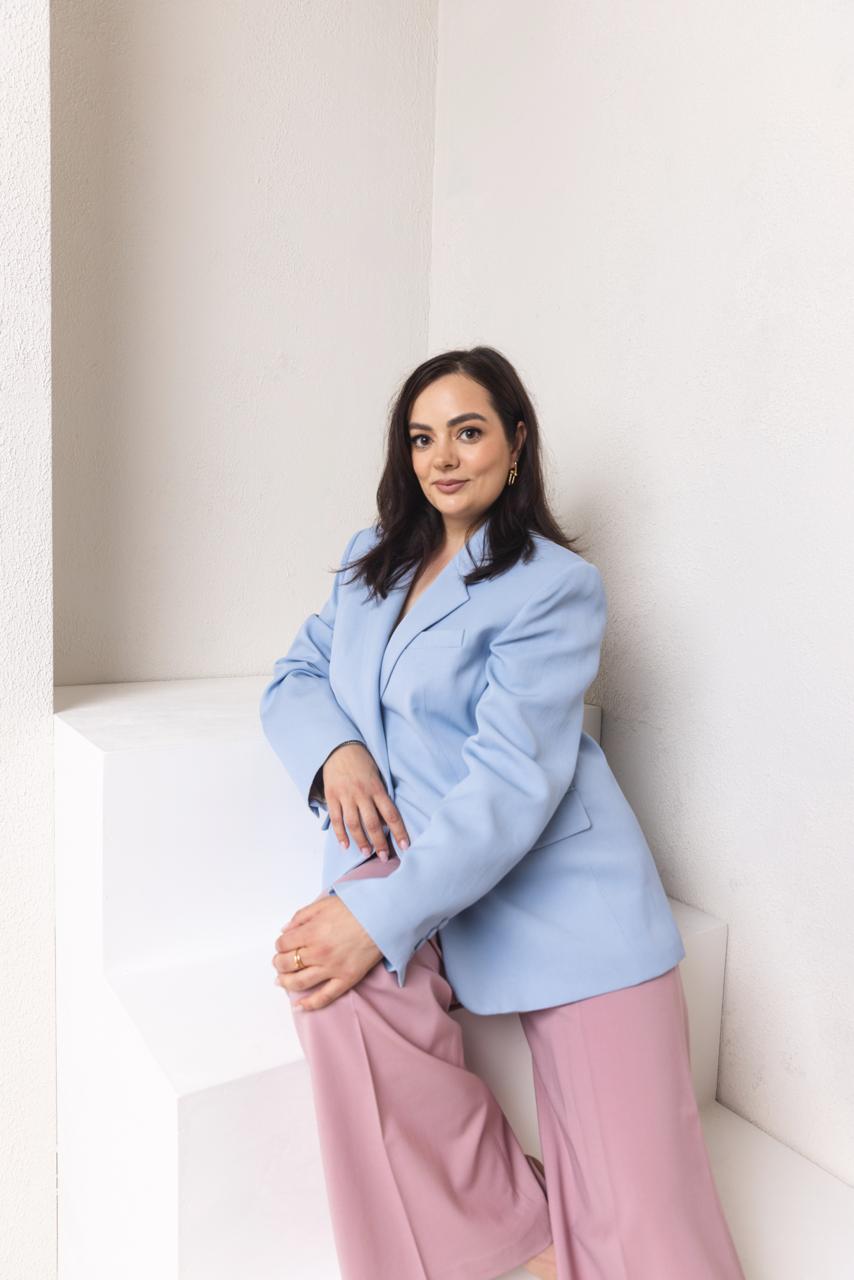
Viktoriia, speaking of the most common myths you hear, which statements would you say are the most inaccurate?
I hear these myths practically every day, but they usually come from a misunderstanding of modern aesthetic medicine or from negative experiences people have witnessed in someone else. For example, botulinum toxin is absolutely not supposed to “freeze” the face. When the procedure is performed correctly, with appropriate dosing and careful consideration of the patient’s anatomy, a person retains natural facial expressions; excessive activity in certain muscles simply becomes less pronounced. The same applies to fillers: unnatural-looking lips are not an inherent characteristic of the product, but rather the result of an inappropriate approach or excessive volume. Another common myth is that once someone starts having aesthetic procedures, they will never be able to stop. In reality, the opposite is true: a responsible specialist will never pressure a patient into procedures and will only recommend treatment when there is a genuine indication. I devote a great deal of time to consultations, explaining how each procedure works, discussing all possible options, and leaving the final decision entirely up to the patient. My job is not to convince someone to have a procedure, but to give them enough information to make a calm, informed, and confident decision that is right for them.
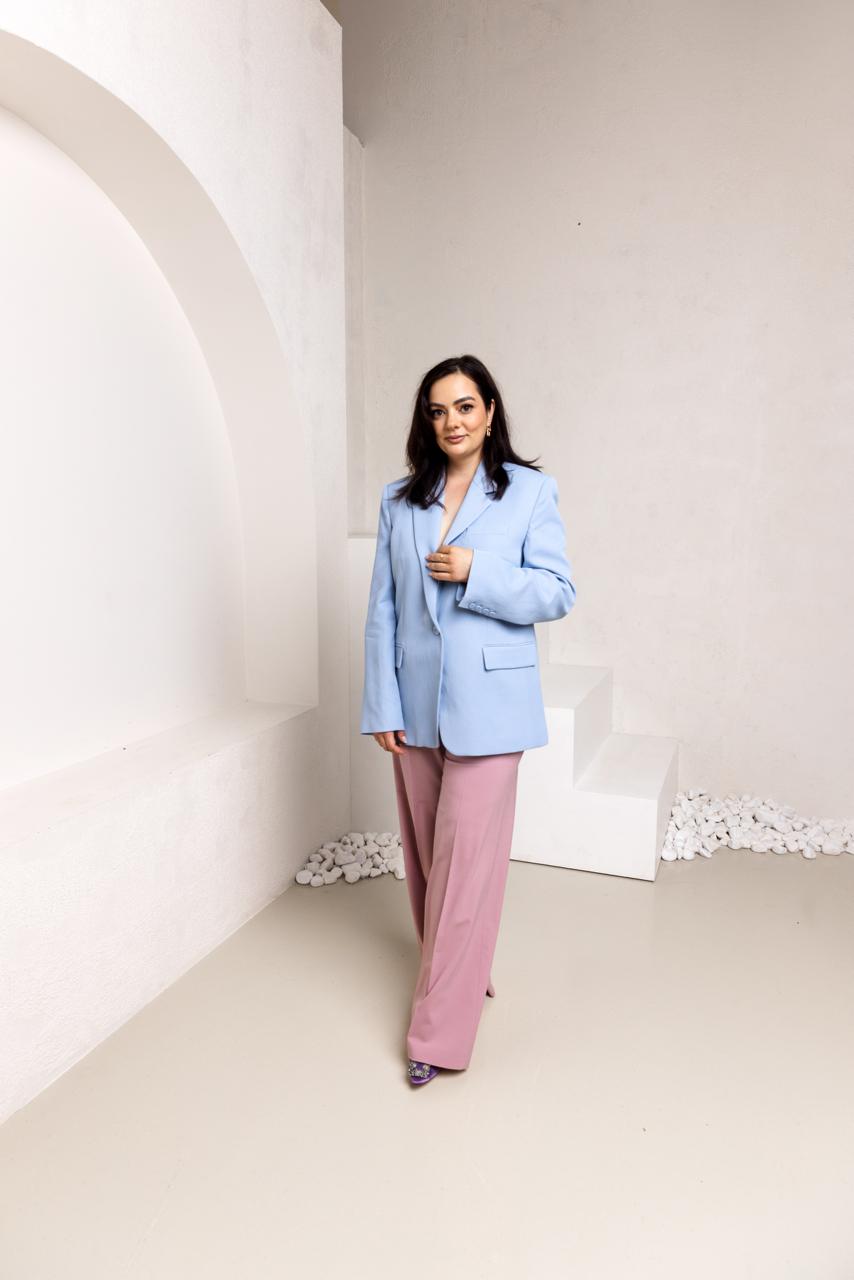
You live and work in the United States, where the beauty industry is one of the most developed in the world. How do American patients differ from Ukrainian patients? Is there a difference in their approach to self-care?
Working in the United States gives me the opportunity to treat both American and Ukrainian patients, so I can clearly see the differences in their approaches. Ukrainian women tend to be extremely attentive to detail, very demanding, and often come well prepared because they read extensively, analyze information, and want to understand and control every stage of the procedure. American patients, on the other hand, tend to trust their specialist more and approach the process in a more relaxed way. At the same time, they have one important thing in common: today, almost everyone wants a natural-looking result. People no longer want to radically change their appearance; they want to look fresh, well-groomed, and younger, but in a way that makes it impossible for anyone to guess they have had aesthetic treatments. Another interesting difference is that Americans are much more likely to turn to preventive aesthetics at a younger age. They view injectable treatments as a way to prevent or delay age-related changes rather than simply correct them later, and in many cases, this approach can help achieve exceptionally natural-looking results over time.
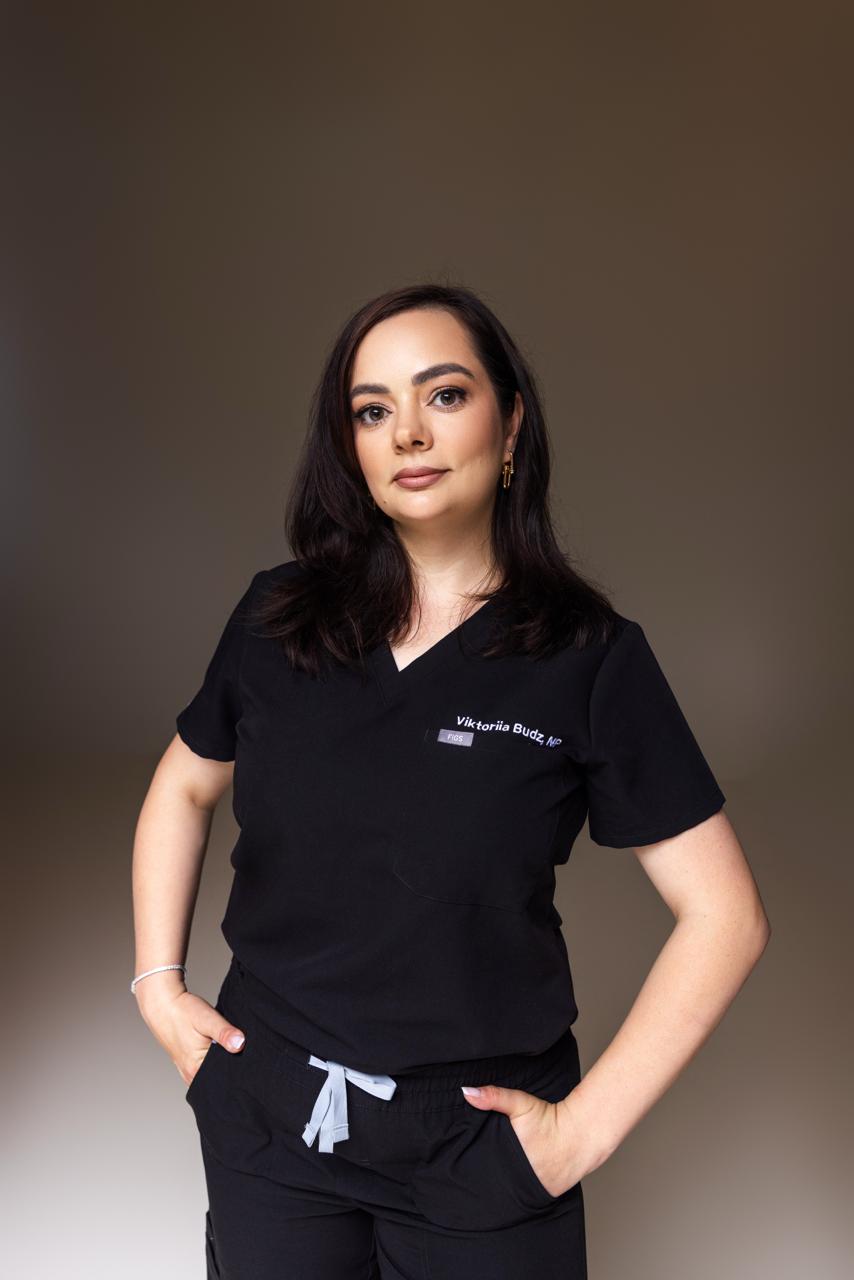
Looking back on your journey today, what would you say to the young woman who once arrived in the United States with big dreams but had no idea how many challenges and victories were waiting for her?
First of all, I would tell her not to be afraid of time. When we are young, we often feel that everything needs to happen quickly, but today I know that the most important things come when you are truly ready for them. I would tell myself not to see every setback as a failure, because even the decision to close my own business once felt like a major failure, yet eventually it turned out to be one of the best decisions I had ever made. That decision led me to work that brings me genuine fulfillment and allows me to live in harmony with myself and my family. I would advise myself not to be afraid to change direction when your heart tells you it is time to move forward, and not to try to control everything on your own. It is very important to learn when to trust, ask for help, delegate, and protect your inner resources. Today, I am genuinely happy not only because I have found myself professionally, but also because I have learned how to find balance between the work I love, motherhood, and my family. And perhaps that is what I consider my greatest achievement.