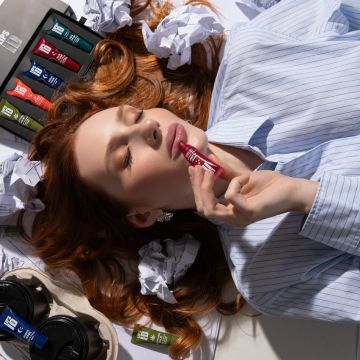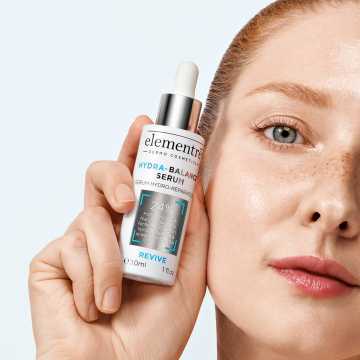
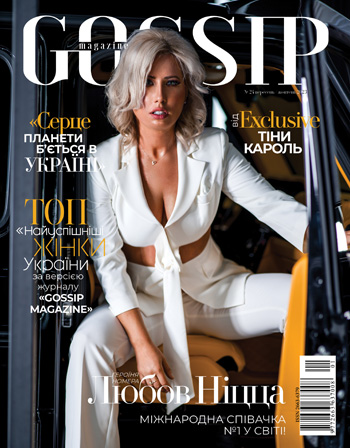
Tetyana Yakymovych is a professional photographer based in the United States. Her portfolio includes women’s, family, fashion, maternity, boudoir, and portrait photography, yet regardless of the genre, people always remain at the heart of her work. Tetyana knows how to see in a woman what she herself may have grown accustomed to overlooking – her beauty, character, movement, and individuality. Her photography is not about perfection, but about learning to see yourself differently, a perspective that can sometimes change much more than simply the image captured in a frame. Today, Tetyana is growing her business in the United States, working with clients from different cultural backgrounds and developing her own vision of contemporary women’s photography. In this interview for GOSSIP, we talk about beauty beyond stereotypes, the power of the female portrait, professional intuition, and why genuine emotion can never be artificially created.
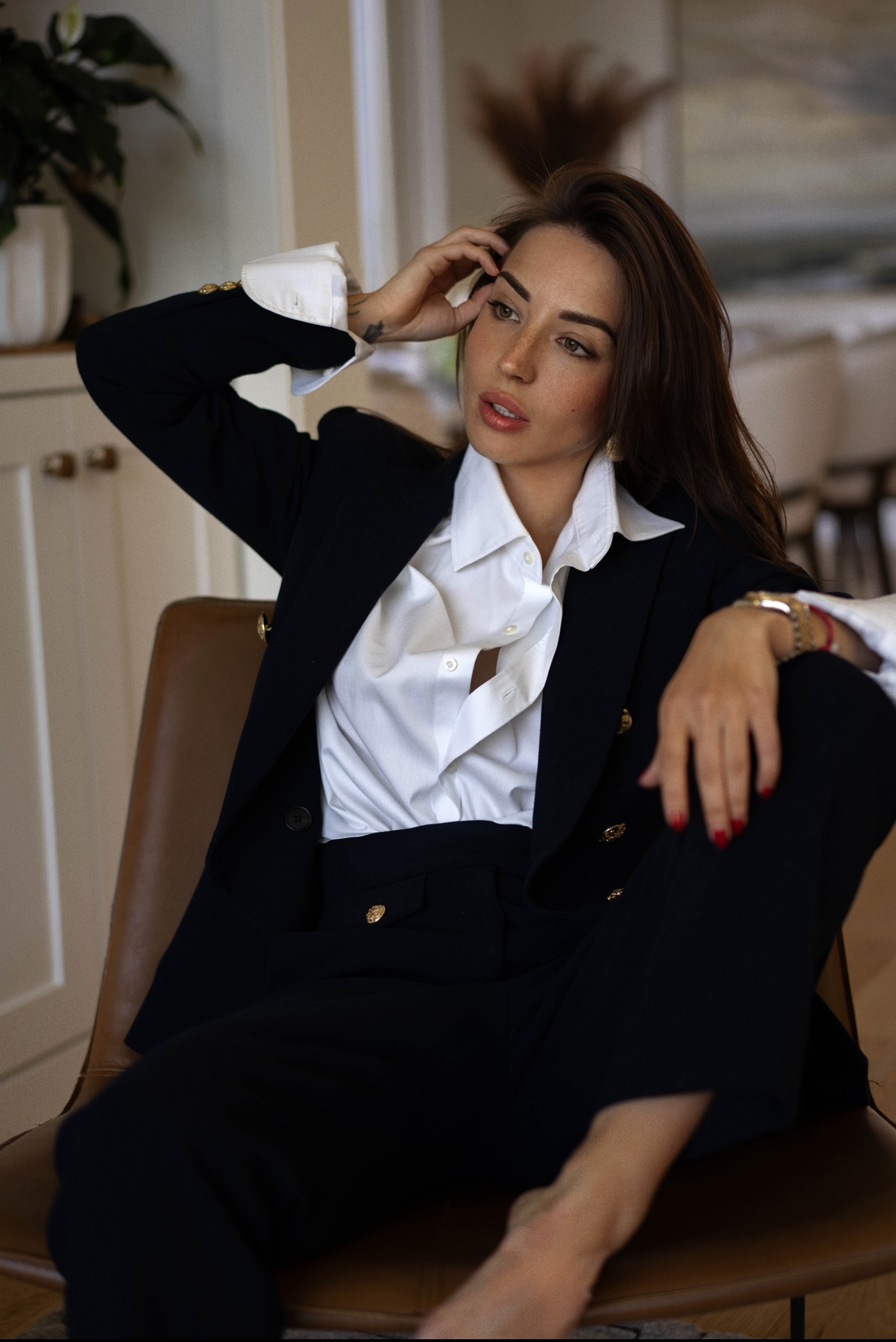
Tetyana, you are currently working in the United States! What challenges did you face while building your career in a new country, where competition in the creative industry is extremely high?
When I came to the United States, I lived in Utah for the first three years, and starting there was not easy. The biggest challenge was English: I could understand what people were saying to me, but I could barely respond, so during my first three months I communicated with people through a translator. After about a year of living with an American family, I was already able to communicate relatively freely and started taking my first photography clients. At the same time, I studied extensively, taking courses in video, brand marketing, and related fields, and gradually began applying this knowledge in practice. I especially enjoyed creating videos, so I started producing different types of content for social media and my clients. Eventually, I realized that I needed to move to another state for the sake of my career, and last year I relocated to Florida. There are many photographers here, so it is important not only to work, but also to have your own style and deliver the result clients are looking for. I am now gradually reaching an American audience as well, although that is a challenge in itself: you have to build your name, communication, and client base all over again. At the same time, I really appreciate how diverse the people here are and how much individuality they have, because for a photographer, that is an enormous source of inspiration.
Your portfolio covers a wide range of genres, but what connects all these directions? What is the main idea you want to convey through your work, regardless of the genre?
For me, the woman is always at the center – her character, beauty, body, tenderness, and inner strength. I love showing women in different ways: strong and confident, gentle and sensual, open or, on the contrary, slightly mysterious. That is why I love women’s photography so much: it gives you the opportunity not simply to create a beautiful photograph, but to gradually reveal the person in front of the camera.
I enjoy working with the body, emphasizing its movement, shape, and natural beauty, while at the same time preserving elegance and that delicate line between sensuality and vulgarity. I do not want to create one universal image of an “ideal woman.” On the contrary, it is important to me to show each woman’s individuality. Women often come to me with certain insecurities and the belief that their bodies are not beautiful enough, while I can already see how differently that body can be presented. I love that moment when, after the shoot, a woman looks at herself and realizes, “I didn’t know I could look like this.” That feeling is exactly why I love photographing women – helping them see their own beauty, femininity, and strength.
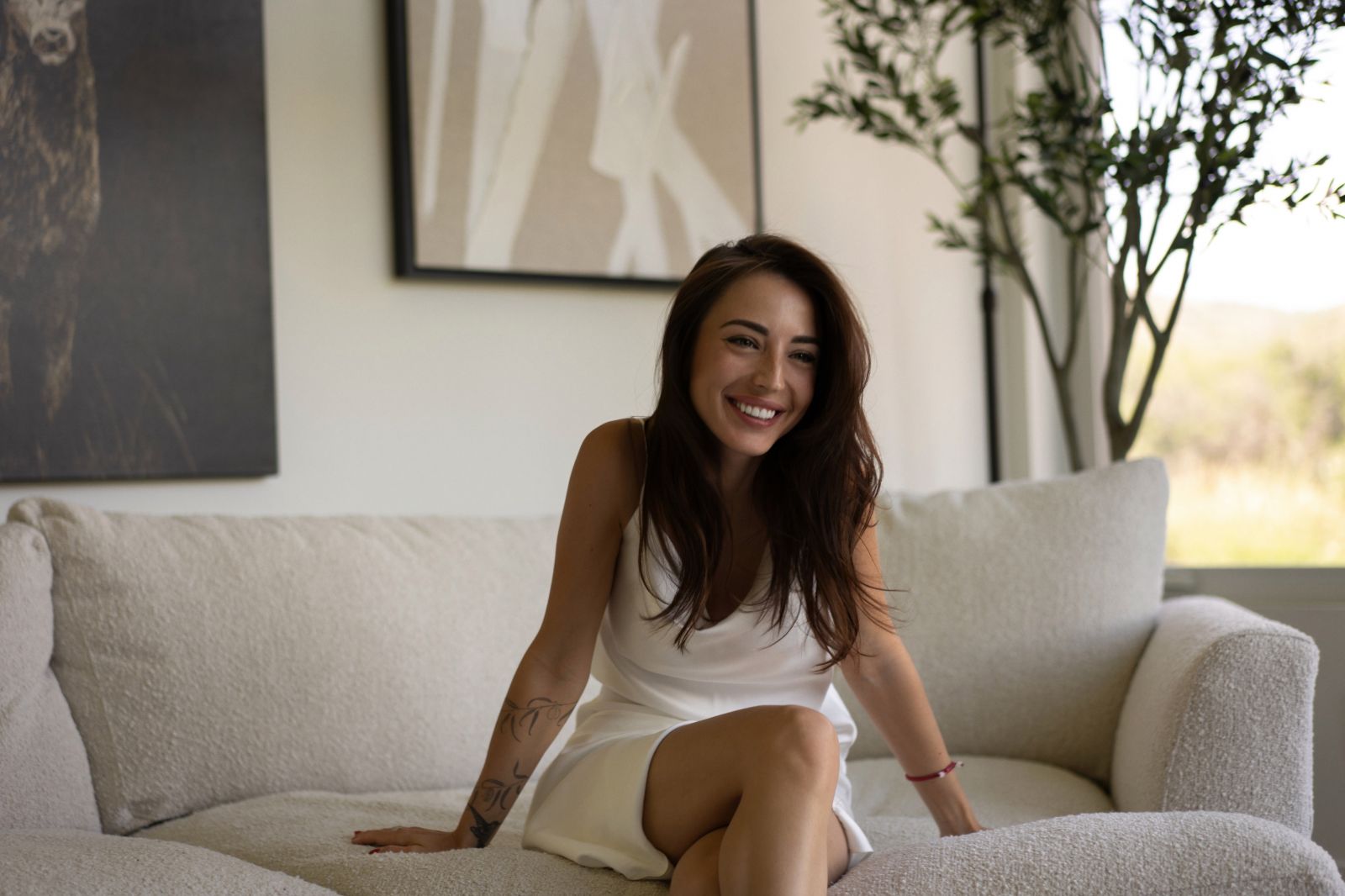
How do you manage to create an atmosphere of trust within just a few minutes, where a person stops feeling self-conscious and begins to see herself as beautiful?
I understand this insecurity very well because I went through it myself after my first divorce. I had a lot of complexes, and I did not like my first photo sessions at all when I was the model myself. I would look at the photographs and think that everything looked terrible. But over time, photography itself helped me gradually change the way I saw myself. I learned to focus not on my flaws, but on what was beautiful and special about me. I realized that so much depends on how you look at yourself, how you stand in front of the camera, what emotion you show, and how the photographer helps you see it. That is why I always encourage women to spend some time in front of the mirror before the shoot: feel your facial expressions, understand your most flattering angles, and identify the side of yourself you like the most.
I also help with the overall look, hairstyle, and makeup, because proper preparation has a huge impact on confidence in front of the camera. And then it becomes my job to use the right lighting, find the right pose, emphasize the figure, and show a woman something she may never have noticed about herself. I want her to leave the session not only with beautiful photographs, but with the feeling: “I am beautiful, and I do not have to wait until I lose weight or change something about myself to see it.”
For many women, a professional photo session becomes a kind of therapy. Would you agree with that description?
Yes, I agree, and this is a very personal topic for me. After my first divorce, I lived with insecurities for a long time that had developed because of my former husband’s words and attitude toward me. I even worked with a psychologist, but photography also helped me see myself differently. When you hear for a long time that you supposedly do not look good, it gradually becomes ingrained in your mind, and you begin to see yourself that way too. Then a photographer comes along, looks at you completely differently, uses the right lighting, highlights your strengths, and suddenly you realize that you have been seeing yourself all wrong. That is why I believe photography really can affect self-esteem. Sometimes a single great photograph can give a person more confidence than they ever expected to gain from the photo session itself.
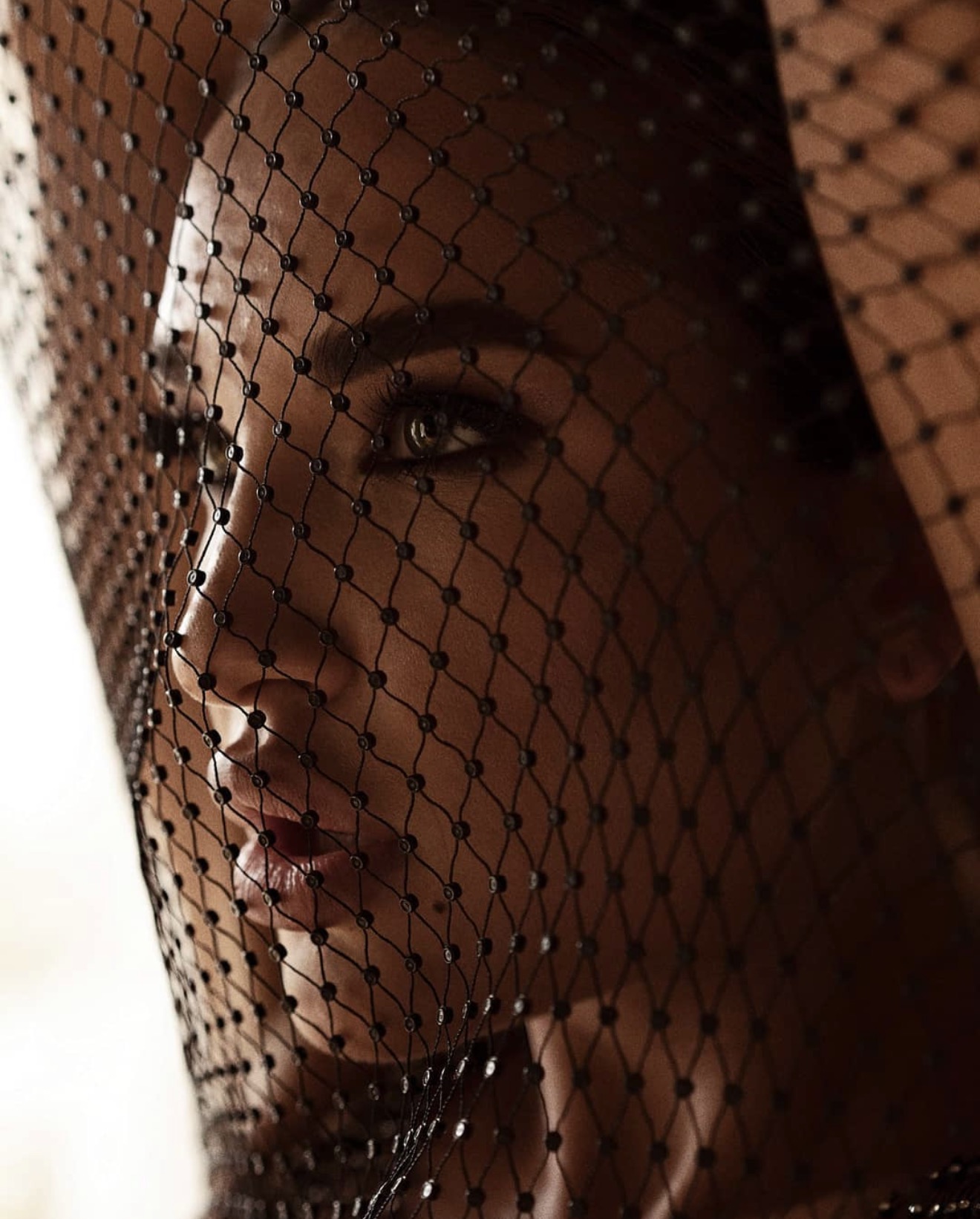
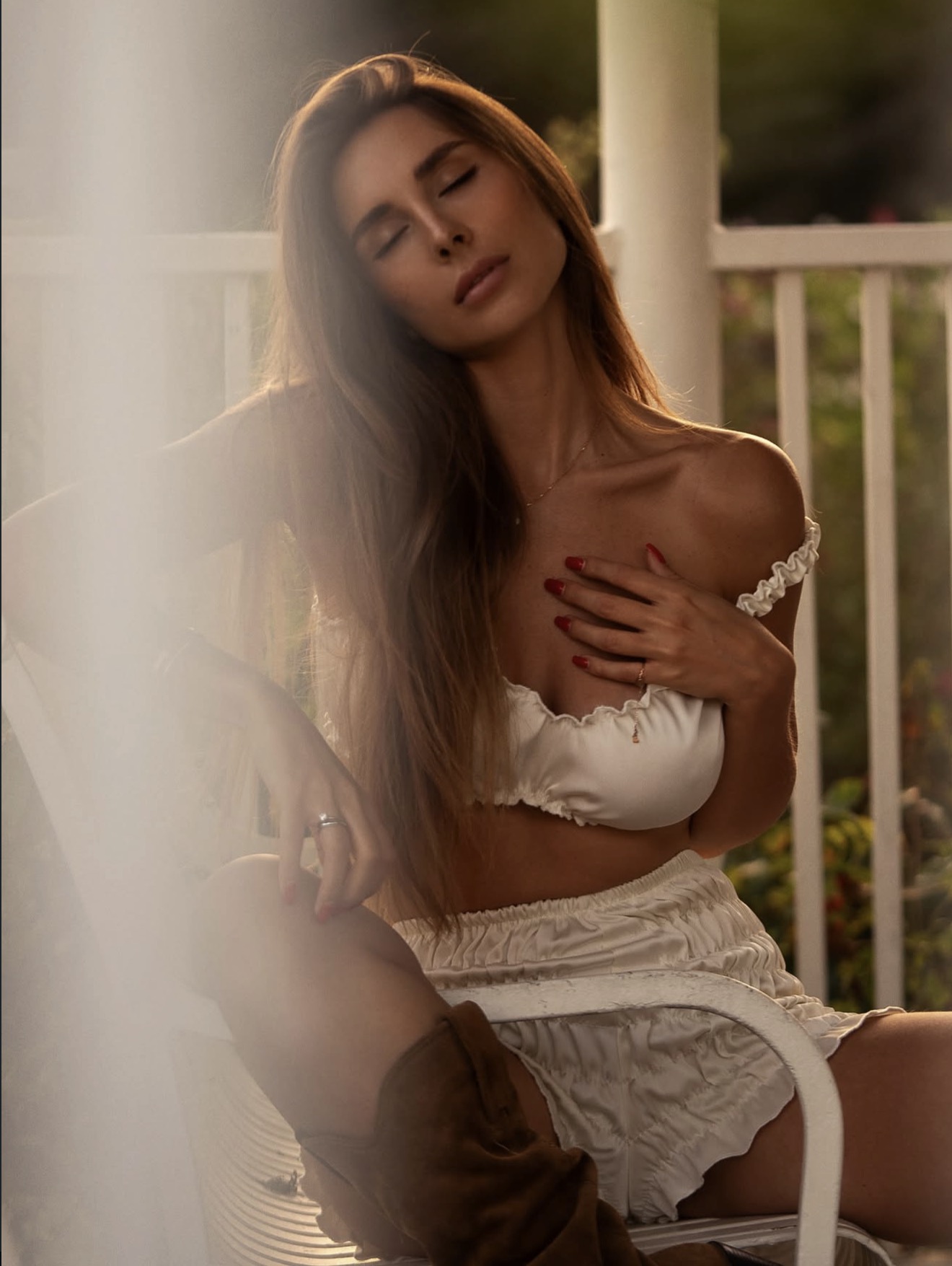
Today, you work with people during some of the most important moments of their lives: pregnancy, the birth of children, and family stories. Do you feel responsible knowing that decades from now, your photographs may become a family’s treasured memories?
Yes, which is why I take every photo session very seriously, especially when someone is having their first professional shoot. I know from personal experience how easy it is to feel lost in front of a camera when you suddenly do not know where to put your hands or how you are supposed to behave. That is why I prepare references in advance. I can create a mood board with clothing and hairstyle ideas, as well as a separate folder with posing references. I even recommend booking two hours instead of one because part of the time goes toward preparation, changing outfits, and simply allowing the person to become comfortable in front of the camera. When everything is planned in advance, we can create several looks during one session and capture a much wider variety of photographs. With family photography in particular, it is important to me that the images are not simply of people standing in a row and looking at the camera. There should be emotion, movement, and a genuine story that will remain meaningful for years to come.
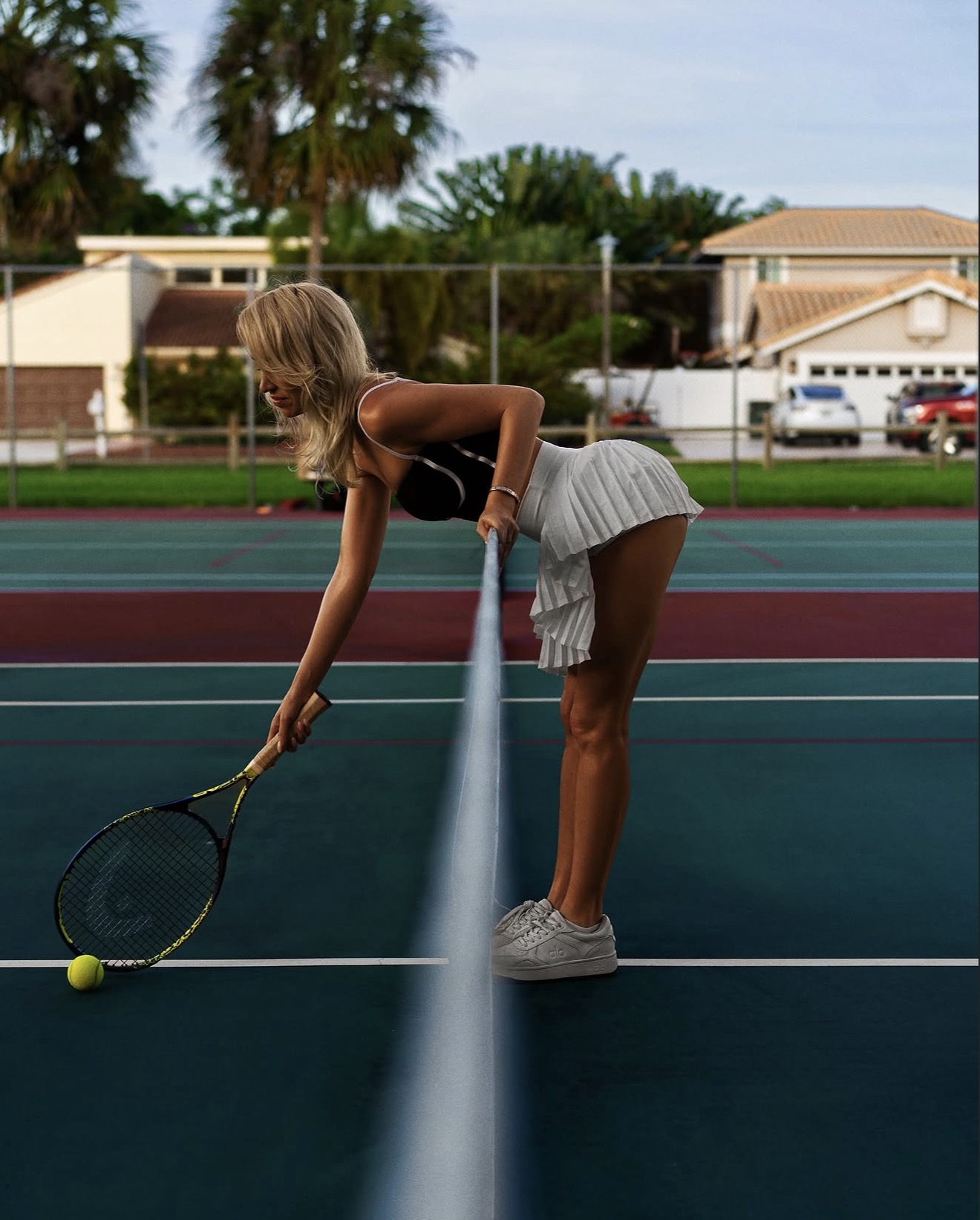
Tetyana, if you could look back and speak to the girl who was just beginning her journey in photography, what would you tell her today?
I would tell her not to rush into turning photography into a job that takes away all the enjoyment. Today, I see photography almost as a hobby: I can create my own schedule and take photographs when I want, which is especially important when you have three children (smiles).
I like remaining in that state where I genuinely enjoy coming up with a concept for a shoot, preparing for it, and seeing the final result. At the same time, I am discovering other creative directions, particularly working more with video. I am also developing another direction – an online store – and I want to create several additional sources of income. It is important to me not to depend solely on the number of photo sessions and not to reach a point where I have to take on 30 shoots a month simply to make enough money. I want to earn enough so that photography can remain something I truly enjoy, rather than turning into just another ordinary job!