
Olga Yalovenko is an opera singer, cultural advocate, mother of three, and the founder of the international cultural project Bridge of Voices in the United States. After moving to the U.S., Olga not only continued her professional journey in music but also gradually created her own space for creativity, growth, and cultural dialogue between Ukraine and America. Today, her work extends far beyond her personal career: through music, she brings together artists, students, audiences, and entire communities. Bridge of Voices has become a project where music serves as a cultural bridge between countries, people, and stories. Alongside her concert activities, Olga develops educational initiatives, masterclasses, and opportunities for young musicians, demonstrating that culture can not only preserve identity but also open new paths for professional growth.
https://youtube.com/@olgayalovenko
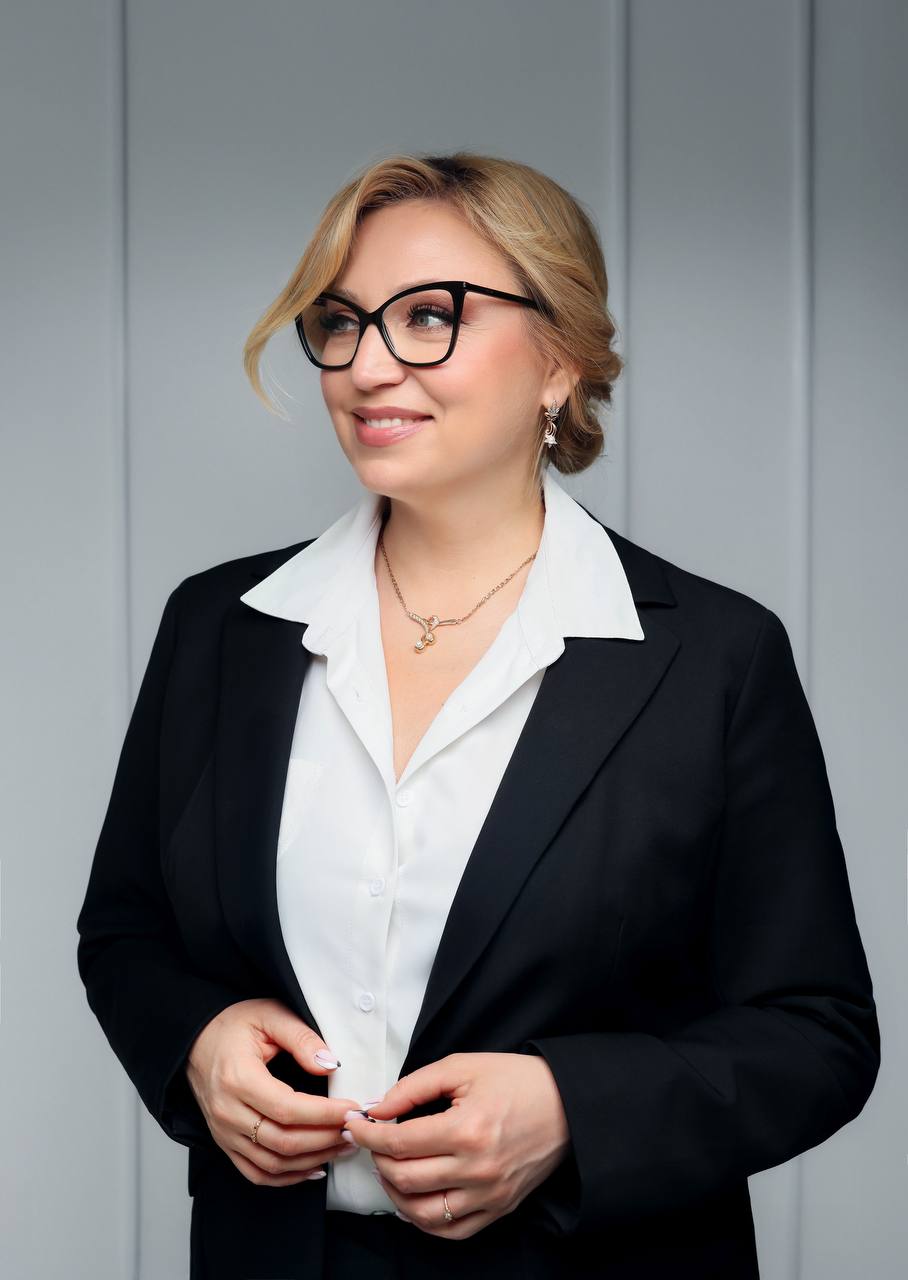
Olga, moving to another country often becomes a moment when a person is forced to answer the question, “Who am I and what do I really want?” What was this process like for you?
At first, I truly felt as though I were starting my life from scratch. But eventually, I realized that I had already arrived in America with my education, professional experience, years of performing on stage, and teaching experience. For ten years, I worked as a soloist at the Ivano-Frankivsk Philharmonic, taught at a music college, and worked with students and children, so I had a lot that I could bring into a new environment. The problem was not that I didn’t know who I was, but that no one here knew that yet. I had to rebuild my professional network from the ground up, meet people, and tell them about my education, experience, and skills. Moving gave me an opportunity to look at myself more broadly and ask: who else can I be besides a performer? That was when I gradually developed the desire not only to continue singing but also to create my own projects and opportunities for others. So today, I see my move not as starting over, but as a new chapter in which all my previous experience has found a different continuation.
Your life combines several important roles at once. How do you manage not to lose yourself among all these responsibilities?
My children remain the most important part of my life, and I am very conscious of making sure they feel that. At the same time, I want to show them by my own example that a mother can do what she loves, continue growing, and have something in her life that makes her happy. For me, it is not about trying to combine everything perfectly, but about understanding my priorities. When I moved to the U.S., I spent the first few months completely focused on my children, their adjustment, and our new life, and that felt natural. But after several months, I realized how much I missed music because it had been part of my identity since childhood. That was when I gradually began bringing it back into my life, and along with it, I began rediscovering my professional self. It is important to me that my children see not only a mother who is always there for them, but also a woman who has her own dreams, profession, and the courage to pursue them.
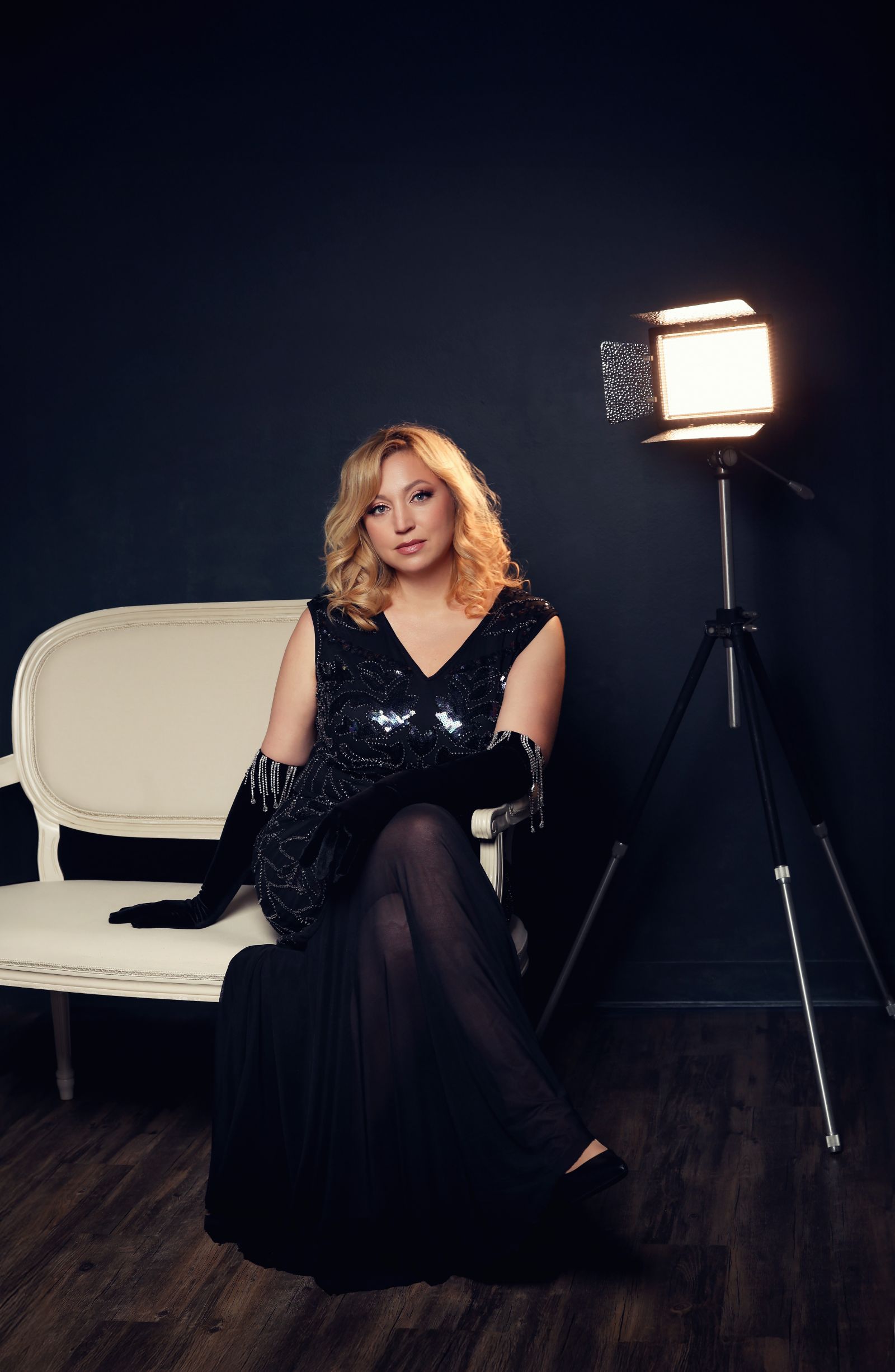
Olga, you work with music not only as a performer but also as someone who creates opportunities for other artists. What do you believe true culture should be?
Ten years of working as a soloist at the Ivano-Frankivsk Philharmonic shaped me profoundly. The stage taught me discipline, responsibility, and the importance of constantly working on myself, but most importantly, it taught me to see the person behind every professional performance. Every artist has a story, an emotion, and something they want to communicate to the audience. That is why today I see culture as something much broader than simply a concert or a performance. What matters to me is whether a person can hear a voice, feel an emotion, and establish a genuine connection with the artist. That is why, in my projects, I am interested not only in performing on stage but also in creating a space where others can grow. I want culture to offer not only a beautiful moment but also new connections, knowledge, professional opportunities, and the desire to continue the dialogue.
Today, you are developing Bridge of Voices – an international concert agency and cultural platform. Where did the idea come from, and what personal meaning does it have for you?
The idea behind Bridge of Voices is very personal to me because I myself found myself between two countries, cultures, and professional environments. When I moved to the U.S., my niece, a young singer, came with me. In Ukraine, she already had her own musical community, friends, and people who knew her as a young artist, but here everything had to be built from scratch. I saw how difficult that was for her and started thinking: why can’t we introduce Ukrainian music to American audiences while also creating opportunities for Ukrainian artists? That is how the idea of Bridge of Voices gradually emerged – a bridge between Ukrainian and American cultures through music. For me, it is not simply the name of a project, but a very accurate reflection of what I myself experienced. Today, Bridge of Voices has grown beyond my personal story, and I want to develop it as a long-term platform for music, education, professional development, and international collaboration.
Why does cultural dialogue between Ukraine and America require not only official events but also meaningful encounters between people, artists, students, and entire communities?
For me, Bridge of Voices is an opportunity not simply to introduce Ukrainian culture to Americans, but to create a space where people can truly get to know one another. Ukrainian and American artists can meet, learn from each other, collaborate, and create something new together. Working with the younger generation is especially important to me because one student who discovers a Ukrainian composer may later perform their work, research their legacy, or include Ukrainian music in their professional repertoire. That is how culture extends far beyond a single concert. At one of my university masterclasses, there were about six students, and we worked with them on Ukrainian music, pronunciation, imagery, and poetry. Later, they wrote to me saying that they wanted to perform works by other Ukrainian composers in their concerts and exams, and for me, that is one of the greatest rewards. I want Bridge of Voices to leave behind not only memories of a beautiful event, but also knowledge, professional connections, and a desire to continue the dialogue. That is when the cultural bridge truly works, even without my constant presence.
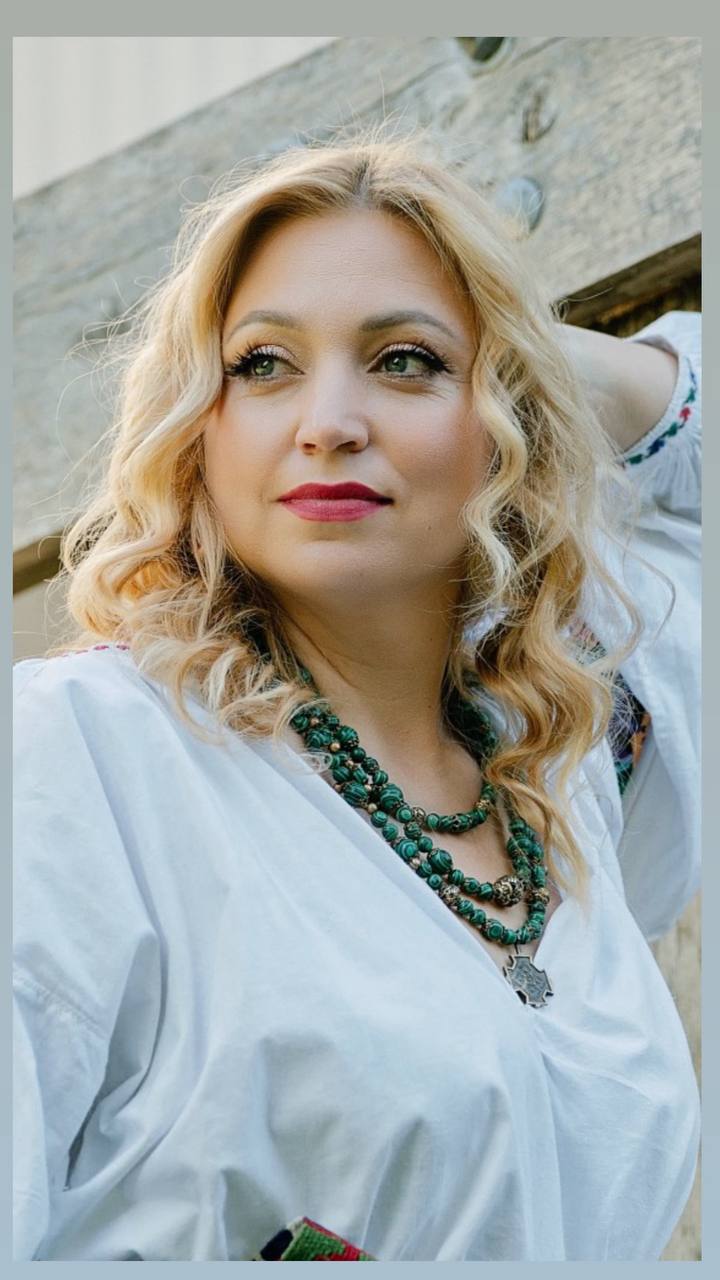
And what does being Ukrainian in America mean to you today? Has your sense of your own culture changed since moving abroad?
For me, being Ukrainian in America means, first and foremost, not losing myself while remaining open to the world. When I lived in Ukraine, Ukrainian culture was simply an everyday part of my life, and I did not always think about how valuable it was. After moving abroad, I began to feel much more deeply the importance of language, music, traditions, and everything that connects me to home. I feel this especially strongly because of my three children, who are growing up in America and very quickly absorb the environment around them. It is important to me that they know the Ukrainian language, music, culture, and their roots, and understand where they come from. I want to give them not simply a collection of facts about Ukraine, but a sense of connection to it and an understanding of the strength of our culture. I don’t know whether they will ever return to Ukraine, but I want them to carry their love for it with them and have the opportunity to pass it on to their own children. For me, cultural work in America is also a personal responsibility to ensure that Ukrainian identity is not lost in future generations.