

Elina Bloom is a wedding photographer who has spent 15 years working with one of the most delicate materials in the world — human memory. Her photographs are not simply beautiful images from important events, but visual stories that people can return to for years, reliving the emotions, glances, touches, and atmosphere of a particular day. Working primarily with wedding and family stories, Elina especially values sessions that bring together different generations of a family. She sees photography as much more than an aesthetic pursuit: for her, it is a way to preserve what becomes priceless with time — people, their relationships, and moments that will never happen again.
elinabloom.com
Inst: @bloom_elina
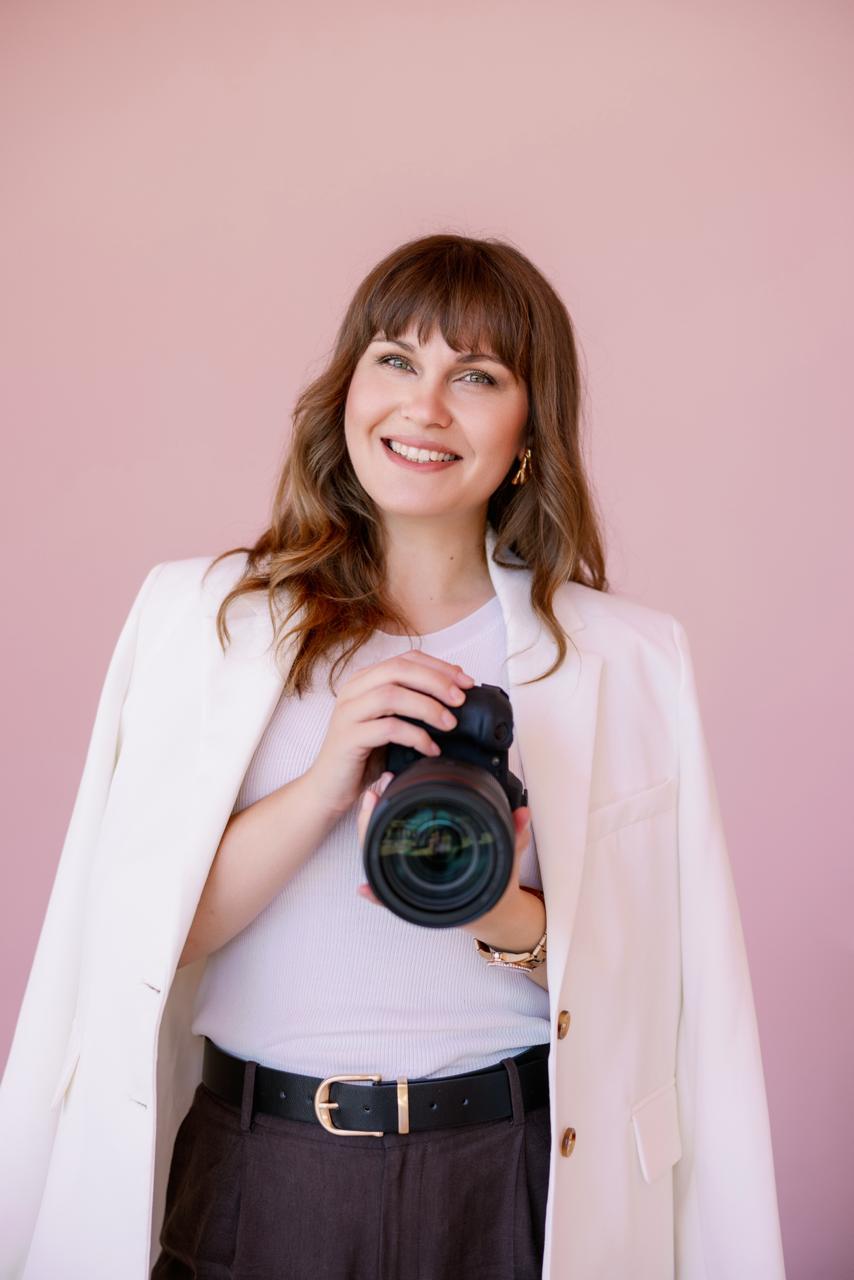
Your work is guided by a very specific philosophy: photography should not simply capture a moment, but allow a person to feel it again. When did you realize that creating a beautiful image alone was not enough for you?
I think I truly began to understand this after years of work, when I saw how differently the very same scene could look in the hands of different photographers. I felt it especially strongly when I started conducting workshops and master classes: we could work under exactly the same conditions, with the same model, lighting, and equipment, yet everyone’s results would be completely different. That was when I realized even more clearly that a photographer brings more to an image than technical skills — they bring their own vision, character, and attitude toward people. In wedding photography, this is especially important because your interaction with the couple directly affects what remains in the photographs. You can create a technically flawless image, but if a person looks tense or does not feel like themselves, the photograph will not have the power I am looking for. That is why photography has long become more than simply a way to create a beautiful image for me. It is an opportunity to help people truly live through a moment so that years later they can return to it not only with their eyes, but with their emotions.
Weddings are often perceived primarily as aesthetic events, while you speak about them as the beginning of a new family story. How does this perspective influence what you notice during a wedding day?
For me, a wedding is the culmination of a long preparation process and, at the same time, the beginning of a new chapter in the lives of two families. So when I look at a wedding day, it is important for me to see not only its aesthetics, but also what is happening between people. I notice how parents look at their children, how the atmosphere around the newlyweds changes throughout the day, who is nervous, who cannot hold back tears, and who eases the tension with a joke. I am interested in details that may seem insignificant in the moment but can suddenly become the most important ones years later: a mother’s hand on her daughter’s shoulder, a father’s gaze, friends laughing, people meeting after not having seen each other for a long time. These fragments are what make up a true wedding story for me. Sometimes the couple does not even see half of what is happening around them, so my job is to notice and preserve these moments, allowing them to eventually see the full picture of their own day.
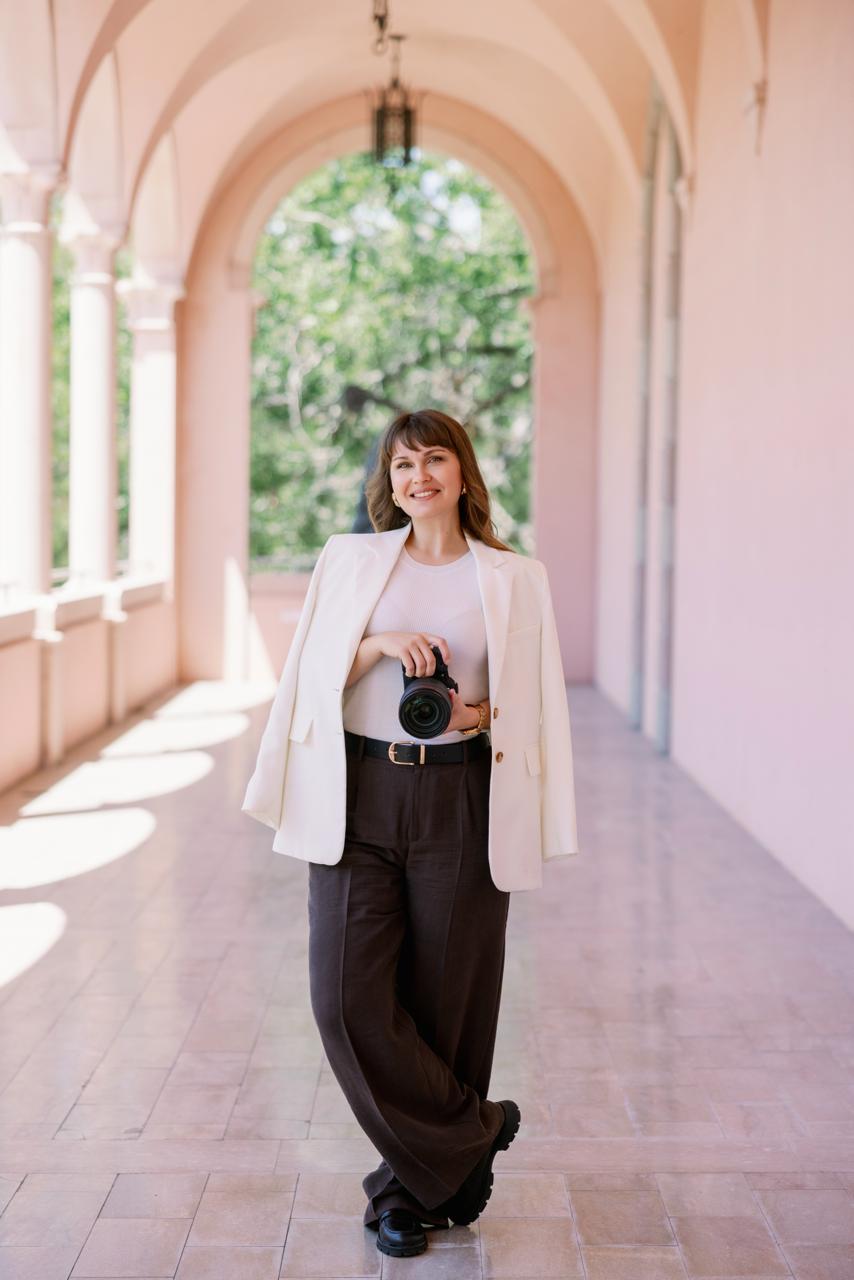
Elina, you work not only with couples but also with family stories that bring different generations together. What do you think children gain from these photographs when they grow up?
I have always dreamed of having a happy family, and when my children were born, I really wanted to preserve their little steps, achievements, smiles, and the moments when they felt completely safe. Over the years, I have seen how important this can be, especially when children grow up, face difficulties, and begin to doubt themselves. Photographs can remind them of the time when they were small and carefree and bring back a sense of inner stability. That is why, for me, photographing large families is not simply about taking pictures of people who have gathered together, but about creating a visual story of relationships between generations. Children also observe how we treat our own parents, and through this they learn about love, care, and respect. I believe photographs can become a kind of psychological support in the future because they preserve a connection between people that we can return to when life becomes difficult.
What has changed in your own understanding of photography over 15 years as a photographer? What do you notice and value in an image today that you saw differently at the beginning of your journey?
Over 15 years, I have tried many things: different genres, editing styles, projects, and equipment. I have also learned a great deal about working with light and technical details. But over time, I realized that technique itself does not determine the value of a photograph. My own vision has changed along with me: the more I learned about myself, people, life, and relationships, the more I began to notice authenticity rather than perfection in an image. Today, I am much more interested in emotion, a look, a touch, interaction between people, or a small detail that can tell us more about a relationship than a perfectly constructed pose. I have become more attentive to what happens between people rather than simply to how they look in front of the camera. Perhaps that is what has changed most in my photography: before, I thought more about how to create a good image, while today I think about what a person will feel when they see it many years from now.
Entering a new market often forces a professional to prove their value all over again. Was there a moment in your professional journey in America when you had to start from the position of “starting over”?
Yes, and honestly, my previous experience initially even made things a little more difficult. In Ukraine, I already had years of experience behind me, my own studio, a team, clients, referrals, and a name for myself, while in America I suddenly had to build my reputation practically from scratch. Psychologically, it was difficult, especially when it came to marketing and having to invest money in advertising without any guarantee that I would find the right clients. I also had to learn to understand a different culture of consuming photography services. For example, 20–30-minute mini sessions are very popular here, while I have always felt it was important to give a family at least an hour so that people have time to relax and truly be themselves. At one point, I began to doubt myself quite strongly, so I found people who had already gone through this process and started learning from them — I strongly believe in mentorship. Now I understand the American market much better, and most importantly, I have realized that starting over does not mean becoming a beginner; it means bringing your experience into a new environment and learning how to use it in a new way. Going forward, I want to build my own team of photographers and work across the United States.
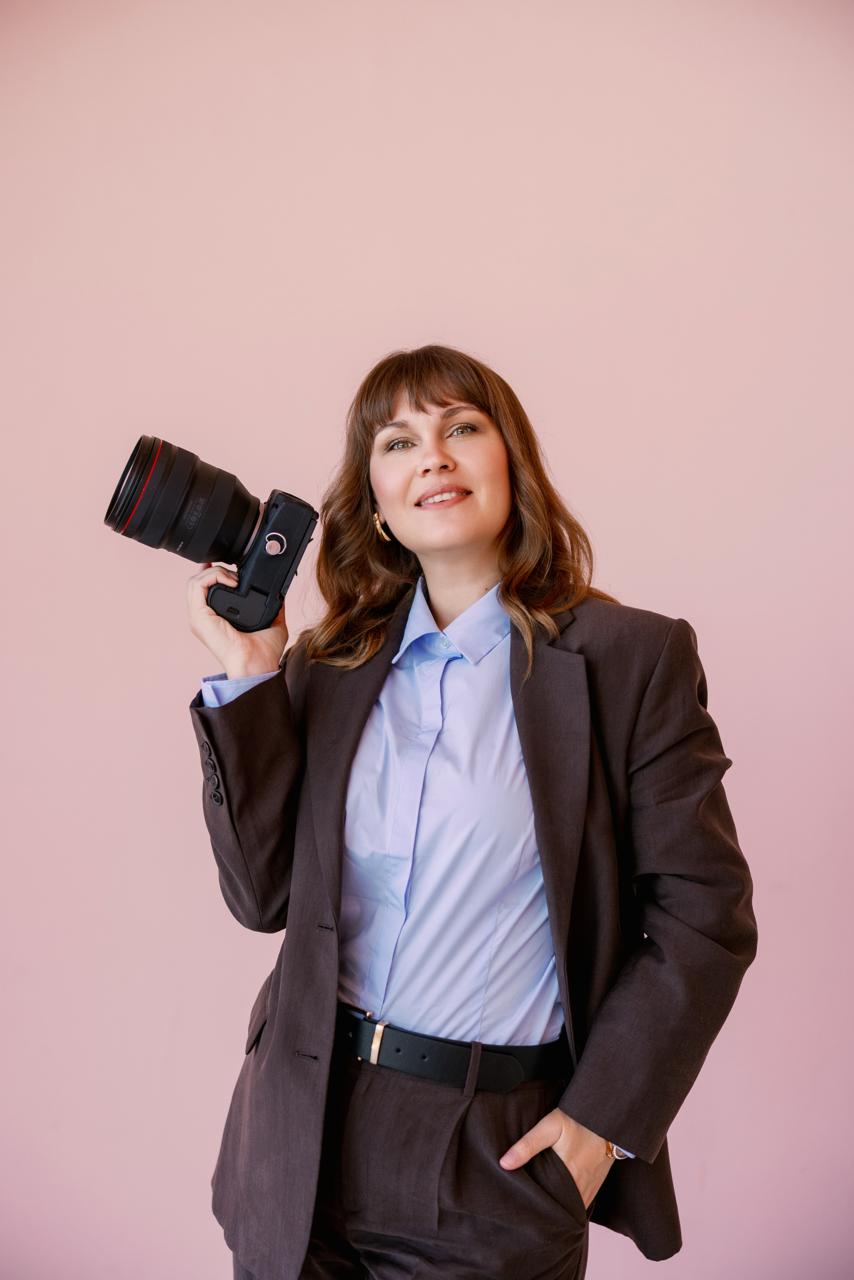
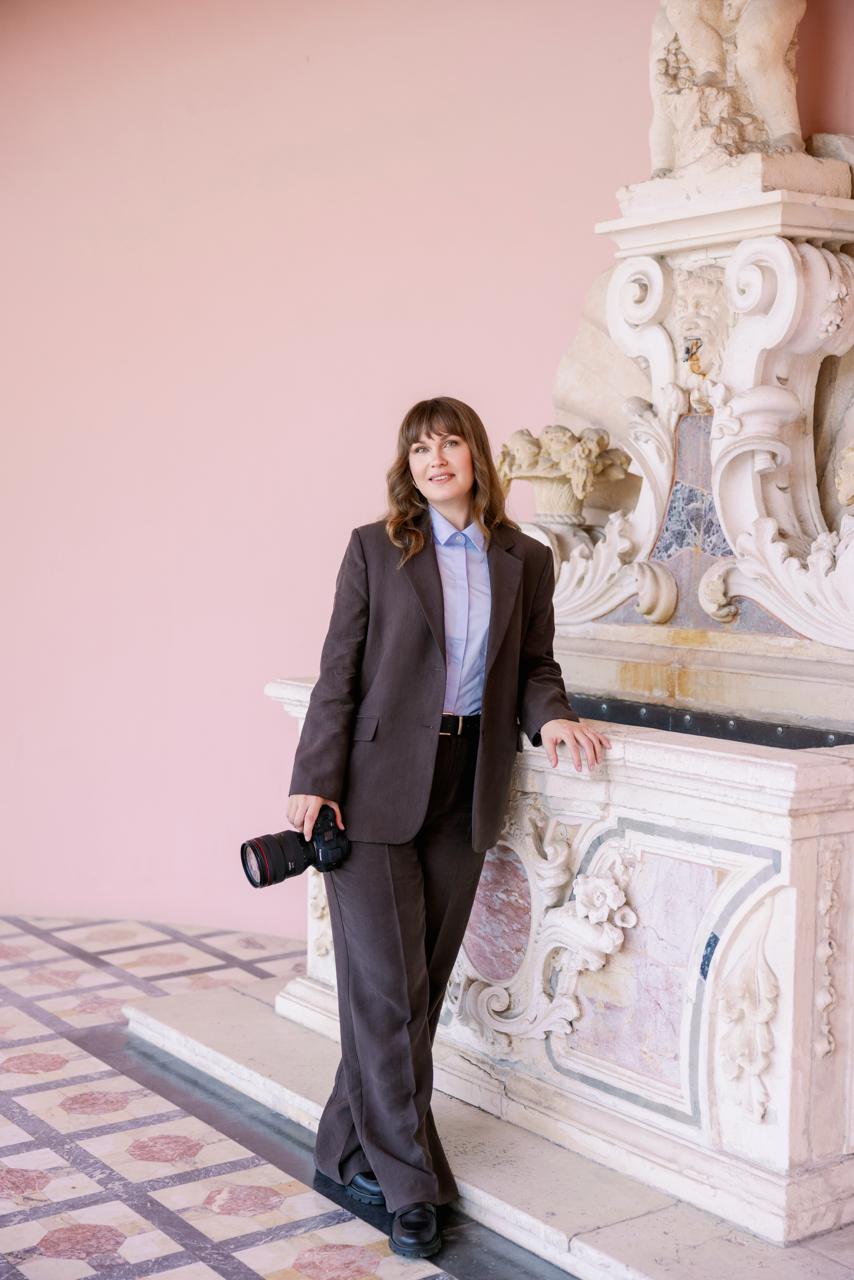
Elina, if we set aside professional achievements, the number of shoots, and years of work, how would you like to be remembered by your clients? What would be the most valuable result of these 15 years in photography for you?
Perhaps more than anything, I would like to remain in my clients’ memories as someone they trusted with something very important. What matters to me is that after a session, people take away not only beautiful photographs, but also the feeling that they were truly seen, heard, and preserved exactly as they were at that particular moment in their lives. Over 15 years, I have realized that my greatest professional satisfaction does not come from the number of shoots or beautiful locations, but from trust and long-term relationships with clients — when they return to me with their families, children, and new chapters of their lives. I want my work to become part of their family history, something they can return to with warmth. And if many years from now they say, “I’m so glad Elina was there that day,” that will be the best result of all these years for me.