
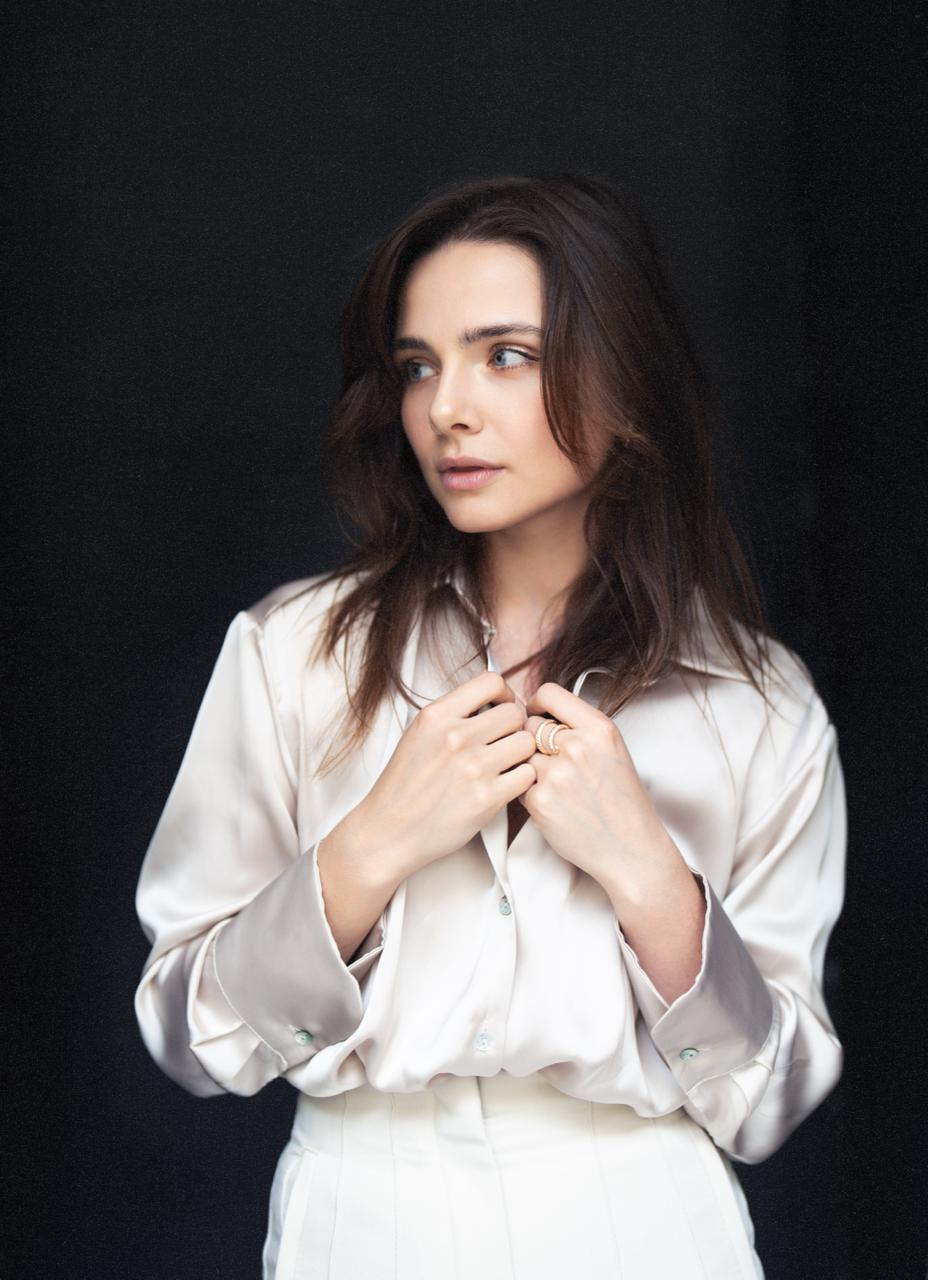
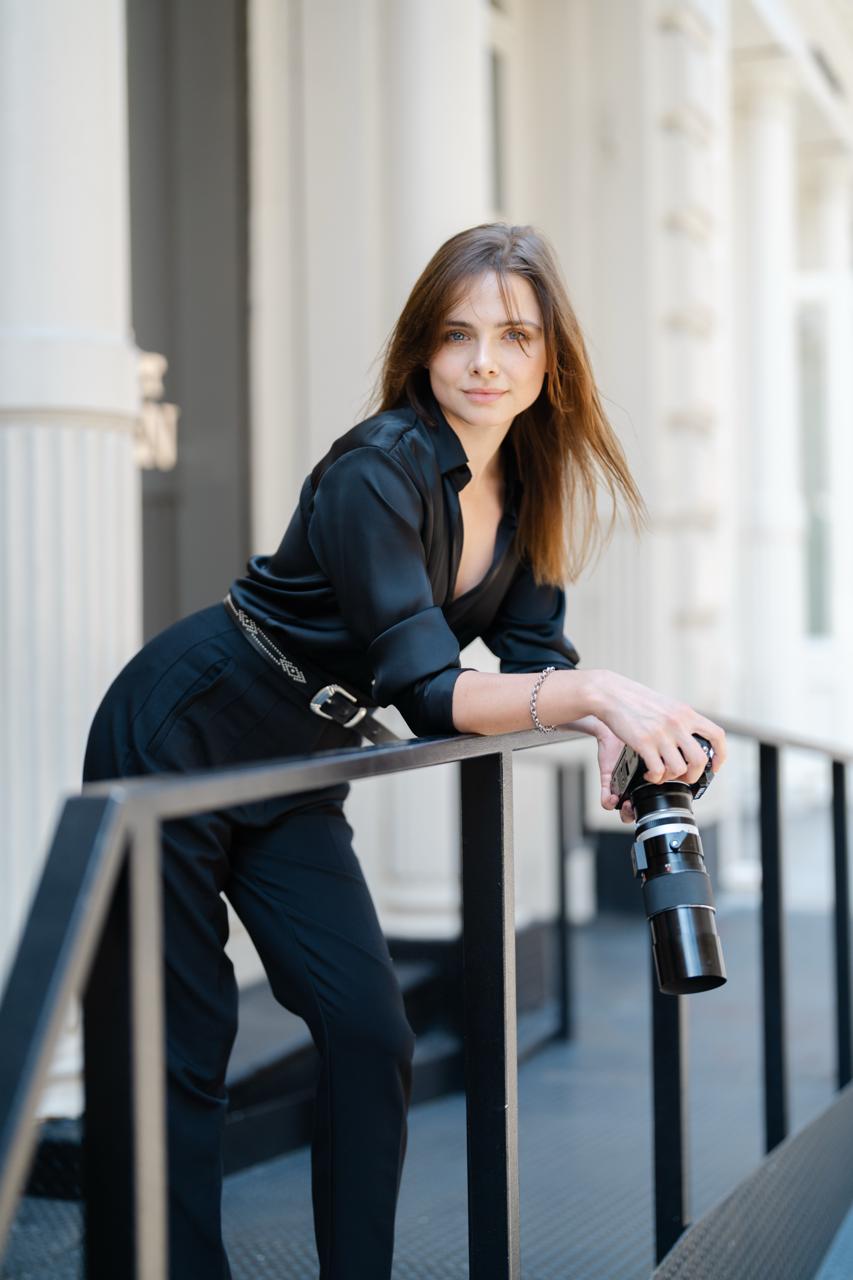
For Dariia Ishchuk (Dariia Noa), photography is much more than a way to create beautiful images. Working in New York and across the United States, she combines wedding, bridal fashion, portrait, and editorial photography, gradually developing a visual language of her own. In her work, aesthetics never exist separately from the person: behind the carefully considered composition, lighting, and atmosphere are character, soul, genuine emotion, and the feeling of a particular moment. Dariia’s approach to photography grows from her fascination with femininity, archetypes, mythology, the cyclical nature of life, and personal memory. A special place in this vision belongs to heritage—the things we unconsciously carry within us through our family history, generations, and individual journeys. She strives to create images that do more than document an event, but eventually become part of a family’s personal history.
Dariia, you work across several different genres. How did you find your place between them? What has each one contributed to your professional style?
I have never really experienced these genres as separate. To me, they are simply different paths toward the same essence: a person—their character, energy, strength, freedom, and connection with others. Women hold a particularly important place in my work. I have been fascinated by female figures since childhood; I used to draw them and invent stories about who they were and who they would become, so bridal fashion photography felt very natural to me. Everything connected to femininity, inner strength, beauty, and transformation feels deeply personal to me. My professional journey began as an assistant at the studio of a well-known fashion and beauty photographer in New York, where I learned about lighting, technique, and composition while also developing my own editorial and art projects. Fashion taught me how to construct an image, weddings taught me to react quickly, connect with people, and trust the moment—and together, these experiences shaped my visual language. I love combining intentional lighting, form, and imagery with real life, which can never be completely controlled.
A personal visual language takes years to develop. How did you realize what you wanted to say through your photography?
Over time, I realized that for me, photography is first and foremost about memory and heritage. Sometimes we forget who we are and where we come from. We need something to hold on to—memories, faith in light, faith in ourselves, and faith in our roots. That is why I am so drawn to moments of light and transformation: moments when something is born or changes, when people fall in love, choose one another, and become someone new. When I photograph people, I often imagine that one day this photograph will be in the hands of their children or grandchildren, who will look at it and understand something about their own story. And I feel that my role is simply to be there, to witness and preserve it. I am here to witness it and to save it for you to remember. Perhaps that is what I want to communicate through my photography: as long as we remember, our story cannot be taken away from us. Neither can the love and light we leave behind. We continue to live; we remain an inseparable part of life.
Dariia, sometimes the most powerful images are the ones where something goes beyond what was planned. How much do you allow yourself to lose control during a shoot and trust the moment?
I flow with it. I allow myself to lose control because I do not see the point in trying to control life or the way it unfolds in front of me. Roughly 30% of a shoot is planned by me: the lighting, location, composition, pose, or direction of movement. The other 70% is simply life as it happens. That is often where my favorite images are born: hugs, tears, children playing, grandmothers crying, women dancing, or some completely absurd moment with the guests. In those seconds, I do not want to interfere. I just need to sense where I should be, change my angle, and press the shutter at the right moment. Life creates a scene far better than I ever could. That is what I live for, because you never know which images you will come home with at the end of the day.
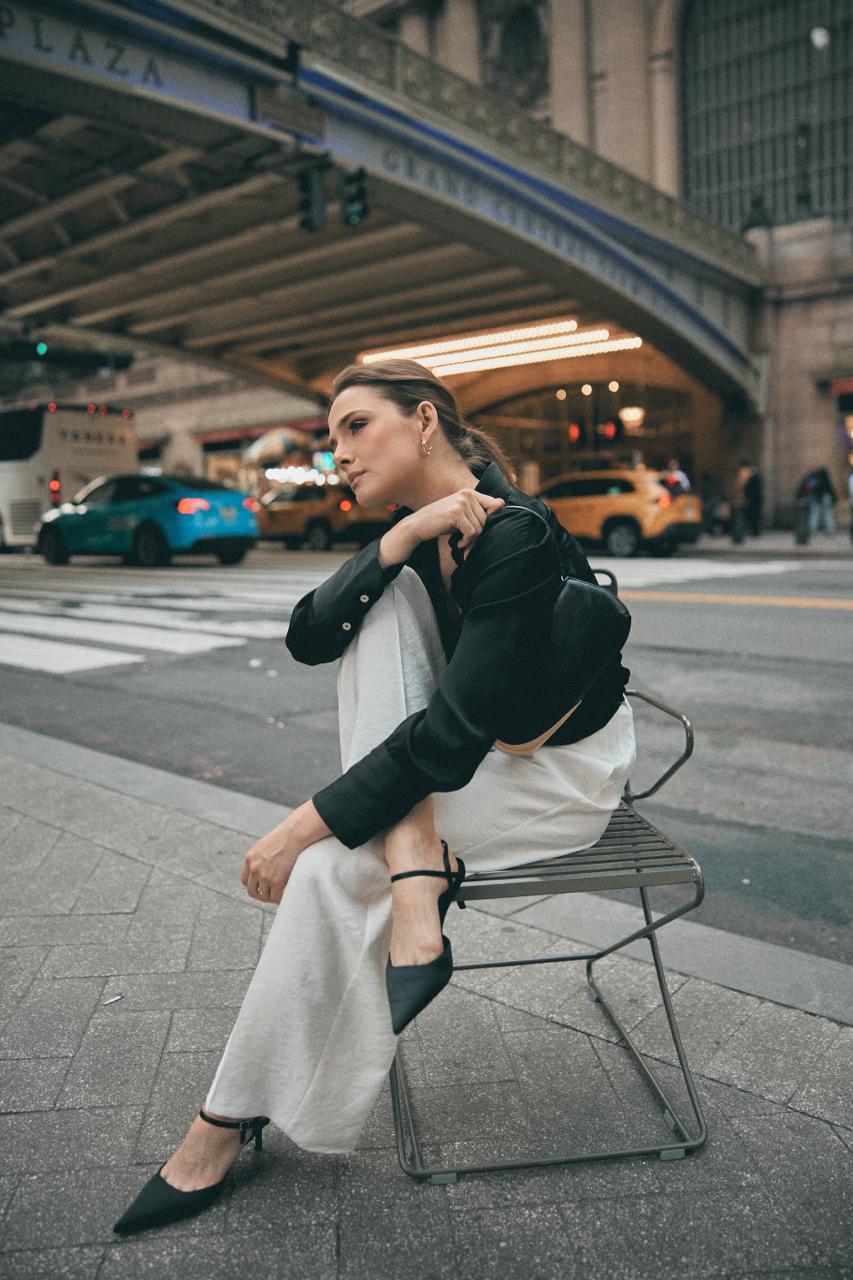
Archetypes, mythology, and the cyclical nature of life hold an important place in your approach. How do they manifest themselves in your work?
For me, archetypes appear through states and stories that repeat themselves throughout human life, regardless of time: falling in love, intimacy, anticipation, transition, loss, and the birth of something new. I am interested in the moment when an individual person’s story becomes universal—when you can see something of a muse, a lover, a traveler, or the heroine of her own story in a particular woman. Visually, I look for this through light, gestures, hands, nature, movement, a gaze, and the interaction between a person and their surroundings. But I never want the symbolism to feel deliberate or staged; I capture it intuitively. For me, cyclicality is also about understanding that we live very modern and deeply personal lives, while at the same time experiencing the same fundamental emotions that people knew long before us. Photography allows me to bring these two dimensions together—the personal and contemporary with the eternal cycle of nature.
You have mentioned the particular feeling that arises when you look at photographs of your grandparents. Has this personal experience influenced the way you photograph other people today?
Absolutely. When I look at photographs of my great-great-grandparents and earlier generations, they feel like an enormous source of energy for me. I see their faces, clothes, expressions, the way they stand beside one another, and I feel connected to a time in which I did not yet exist, but which still lives within me. They remind me that I do not begin with myself. There were people before me who loved, experienced loss, built families, created things, and dreamed. So when I photograph someone, I think not only about how they will perceive these photographs today, but also about what future generations will see decades from now. It is important to me to preserve not only how people looked on a particular day, but also their character and energy—their expressions, touches, and relationships. Tiny big things. Photography is a portal between times, helping us preserve the connection between the past and the present and feel: “This is who they were. This is how they loved. This is where I come from.”
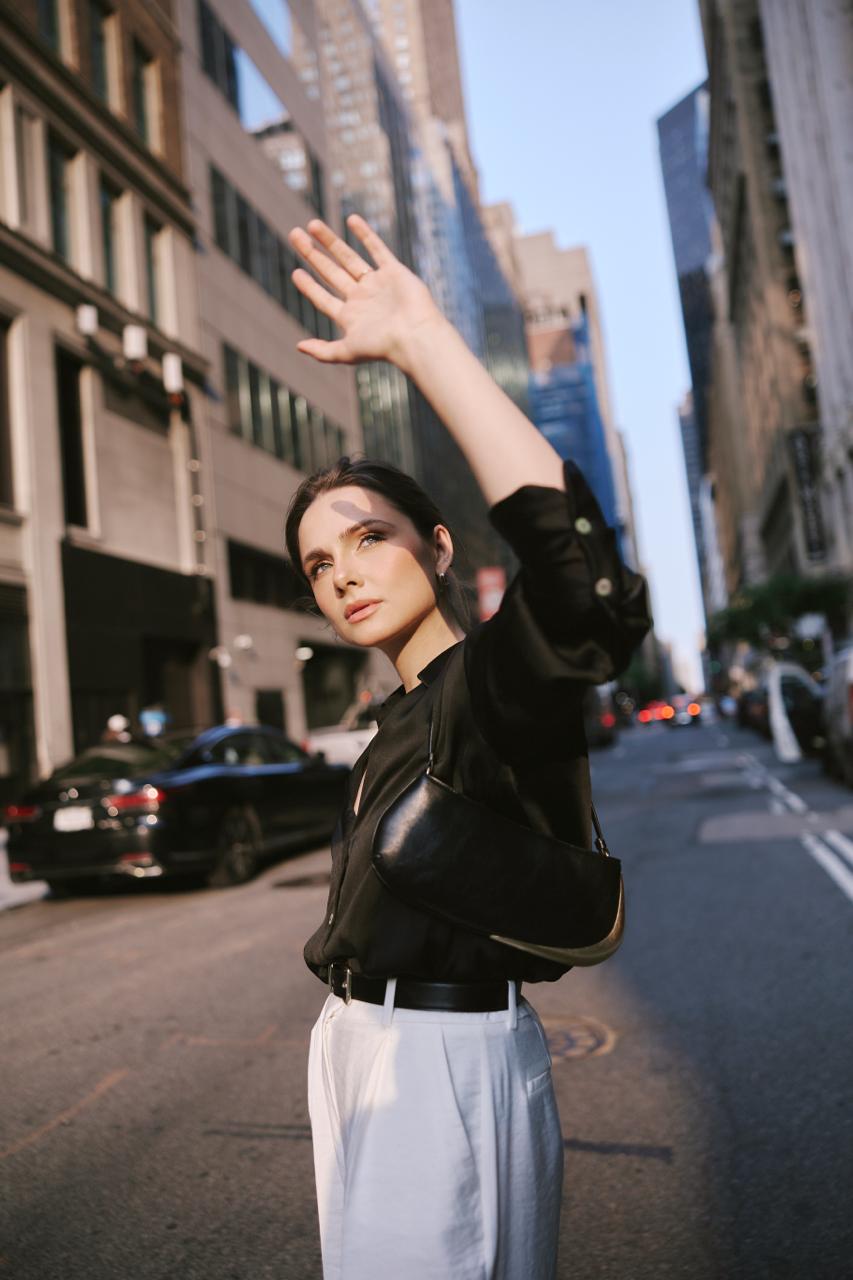
Today, having established your own style and built a career in the American market, what is the next stage of your professional growth?
Right now, my next point of growth is scale—and discovering how far I am willing to go in following my own vision. By scale, I do not mean simply taking on more shoots. I mean the depth and level of the projects I want to be part of, working with teams that are just as passionate about what they do, creating larger bridal and editorial projects, traveling with photography, and working across different countries and cultures. At the same time, I am moving from simply “taking beautiful photographs” toward creating work that carries an idea, symbolism, and a story—images where a person can see something beautiful and also feel something, recognize a part of themselves or their own emotional state. So my goal right now is to become even more myself and trust my own vision even more.