
Masha Kravchenko is a model building her career in one of the world’s most competitive fashion capitals, New York, while simultaneously working as a chemical engineer in the United States. Her professional journey challenges the idea that creativity and science require an either-or choice. By day, Masha works in a field that demands precision, analytical thinking, and responsibility; outside of her engineering career, she walks runways, appears in fashion campaigns, and continues to grow within the modeling industry. Her experience is particularly compelling in the context of New York, where fashion demands far more than a striking appearance — it requires resilience, discipline, adaptability, and the ability to stand out in an exceptionally competitive environment. At the same time, Masha has never let go of another essential part of her professional identity: chemical engineering. Her story is a reminder that science and fashion don’t have to exist in separate worlds — sometimes, the most interesting career is built at the intersection of both.
instagram.com/masha_kravchenko_o
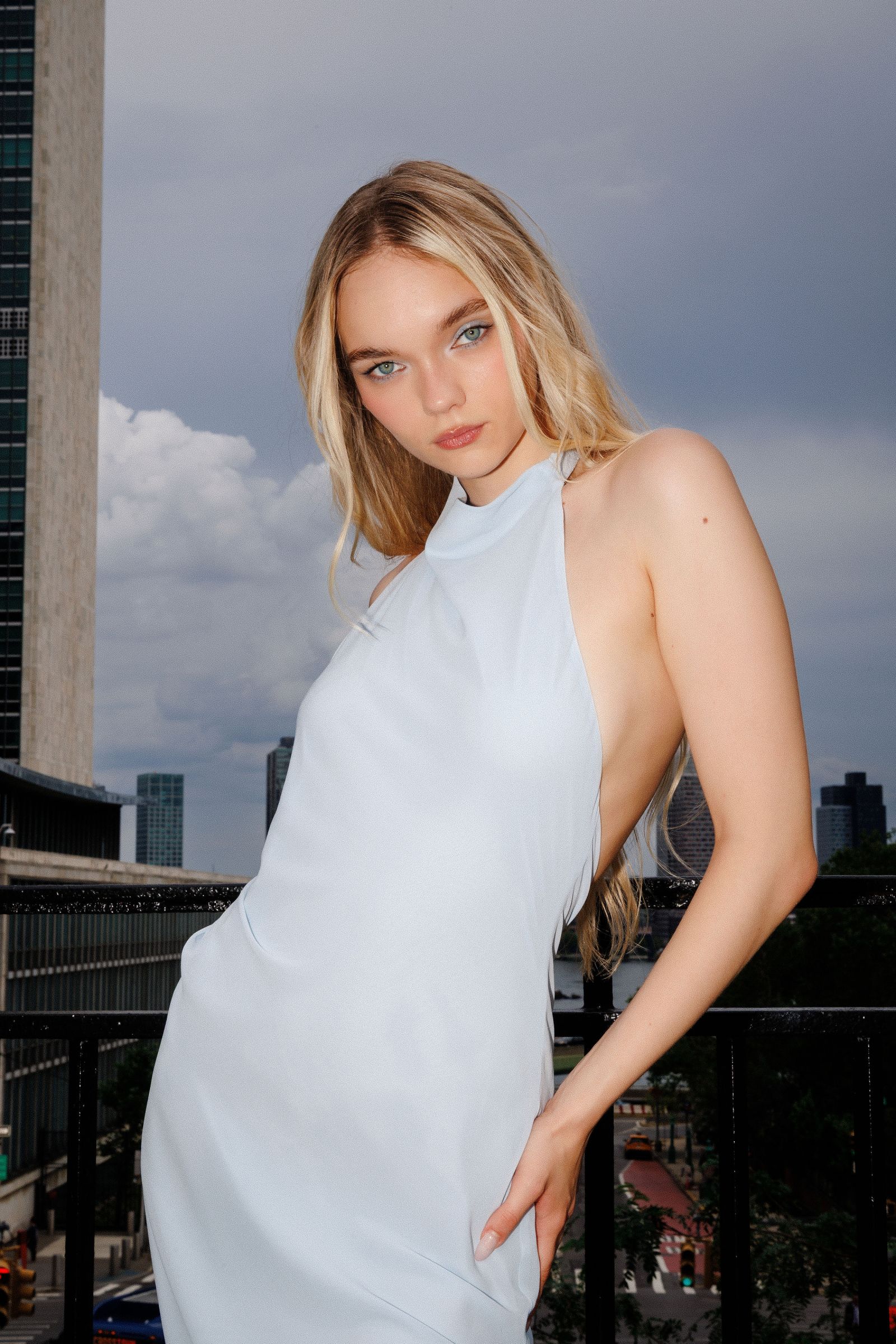
Masha, you’re currently pursuing two careers that seem almost completely different at first glance. How did this unusual combination come about? When did you realize you didn’t want to choose just one?
Chemistry had been part of my life long before modeling, but interestingly, my modeling career emerged just as my path in chemical engineering was becoming more serious. When I enrolled at one of the top universities in the United States to study chemical engineering, I received an invitation to New York Fashion Week during my very first week — and decided to take the chance. During my freshman year, I traveled to New York around seven times, then returned to campus and went straight back into the lab, my classes, and engineering projects. Eventually, I realized that engineering allowed me to develop my analytical side, while modeling gave me space for creativity, travel, and self-expression. So for now, I’ve decided not to choose — and this season, I’ll be attending my fifth Fashion Week.
How did your journey into chemical engineering begin? What made you choose this particular field?
I knew from a very young age that I wanted to work with chemistry. In middle school, I participated in local chemistry competitions, and sometimes my teachers would even ask me to lead lessons for them. So when it was time to choose a major in the United States, I barely hesitated and applied exclusively to chemical engineering programs. During university, I also served as vice president of the robotics club and worked on research related to pharmaceuticals. I’ve always been interested not only in understanding chemical processes, but also in how they can be applied to solve real-world problems. Unlike modeling, which entered my life unexpectedly, chemical engineering was a conscious choice I made back in school — and it remains one of the most consistent and important parts of my life.
And how did modeling enter the picture? Was it initially just a hobby?
At first, I didn’t see modeling as a serious career at all. It started when a friend suggested that I attend a modeling workshop. There were about fifteen girls there, and I was the one selected for a campaign shoot for a handbag and jewelry brand. When the images appeared in the campaign and I started seeing them on Instagram — and so did people I knew — I began to wonder whether modeling could become something more. Then came shoots for beauty brands, runway shows, Fashion Week, and eventually I was even invited to work as a runway coach and teach other models how to walk. I was doing all of this while working 40 hours a week in a laboratory, so I became curious about how far modeling could actually take me if I simply kept the door open to it.
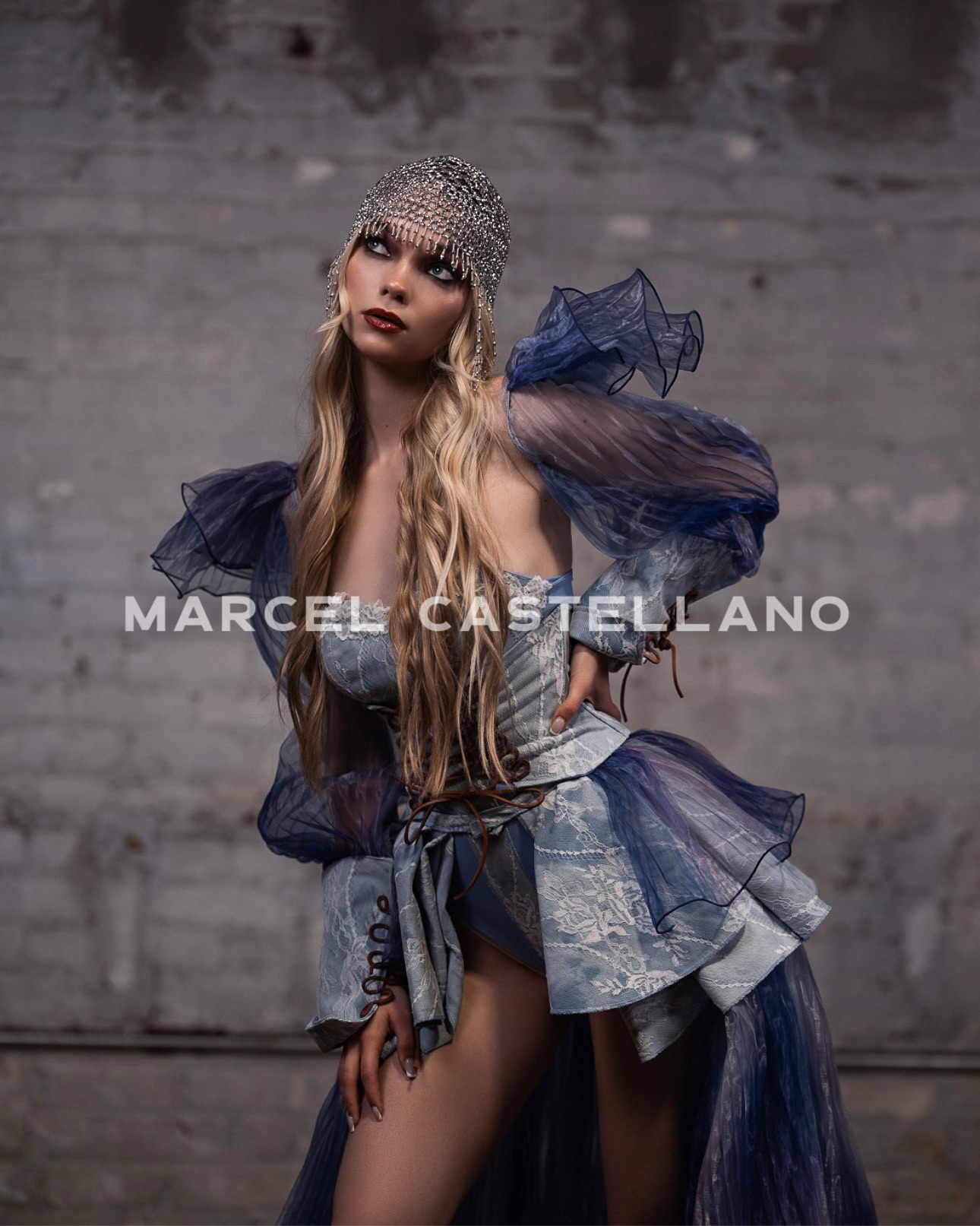
Masha, you work as a model in New York — one of the most competitive fashion capitals in the world. How challenging was it to establish yourself there?
I think it helped that modeling was never my only path to building a career or achieving success. Once photographers, designers, and other industry professionals started reaching out to me directly, I had the freedom to choose projects that genuinely interested me instead of trying to attend every casting. I never set out to become the most in-demand model in New York. What interests me more is seeing how far I can go in fashion while still building my career as an engineer. Over time, I naturally found my own niche: I’m not just a model, but an engineer who also works in fashion, and there really aren’t that many people combining those two worlds. So I see modeling less as a competition and more as a journey — a way to meet interesting people, explore new opportunities, and be part of projects that inspire me.
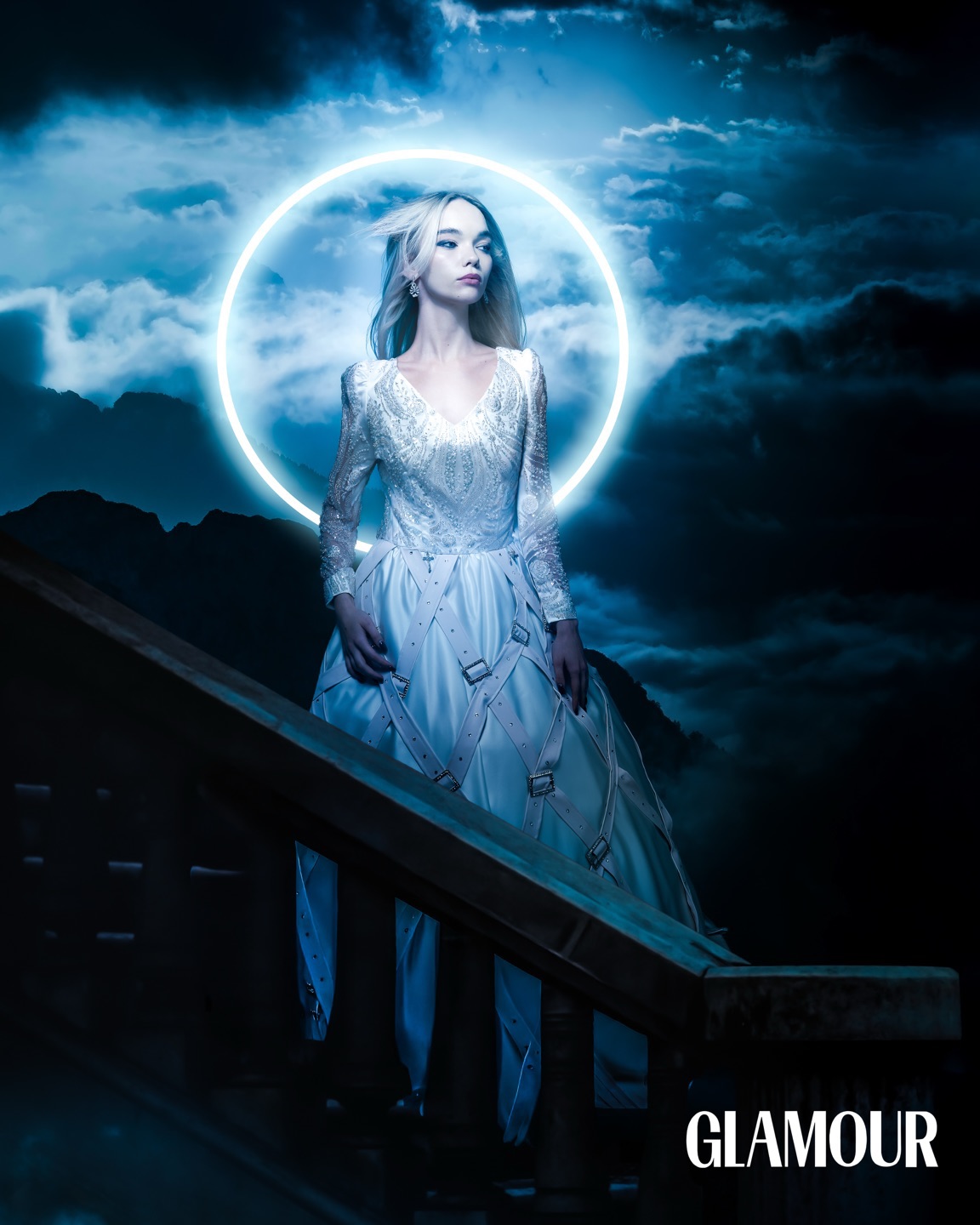
Competition in New York is intense. What do you think truly makes a model stand out in the American market today?
I think the American fashion industry has moved far beyond the beauty standards of the 1990s. Today, individuality and the ability to present yourself authentically are much more important. You can be incredibly beautiful, but in New York there are hundreds of girls who are just as striking, so you need to give people a reason to remember you after the casting. At the same time, I would say resilience is one of the most important qualities a model can have. Rejection is a huge part of this industry, and ten unsuccessful castings don’t mean the eleventh won’t lead to an important opportunity. I’ve learned not to take rejection personally or see it as a judgment of my appearance or worth. A designer may simply be looking for a completely different type of person or a specific look for their collection. To me, a strong model isn’t necessarily someone with perfect features — it’s someone who maintains her individuality and keeps growing after another “no.”

Does your engineering mindset help you in the fashion industry? For example, when you need to adapt quickly, analyze a situation, or work on a tight schedule?
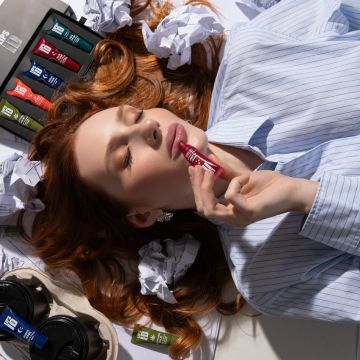
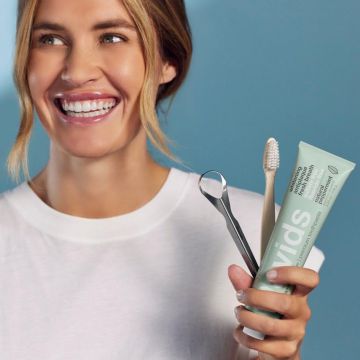
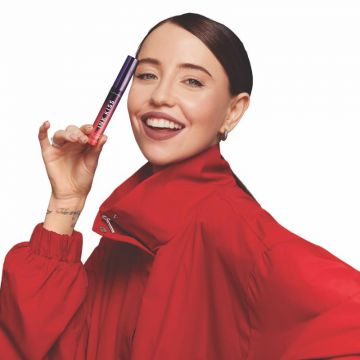
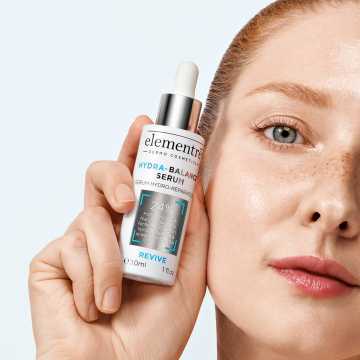
Absolutely. I think my engineering mindset has played a significant role in helping me reach the level I’m at in modeling today. When you see a casting line stretching for two Manhattan blocks, you naturally start thinking about how to make the process more efficient. I quickly realized that the conventional route isn’t always the only one. I would find the contact information for brands and designers, send my materials directly, or use my network to reach the right people. Once, this approach unexpectedly brought my two professional worlds together. I missed a casting because I was at work, but I found the designer’s email address and sent my photos and videos directly. I ended up booking the show, where I met the founder of a young beauty brand. Later, I not only appeared in their advertising campaign, but also received my first freelance engineering project with the company. I analyzed the ingredients in their cosmetics, compared them with competitors’ products, and looked for opportunities to improve the formulas. So, for one company, I became both the model representing the product in front of the camera and the engineer working on what was inside it. That experience showed me just how naturally these two worlds can intersect.
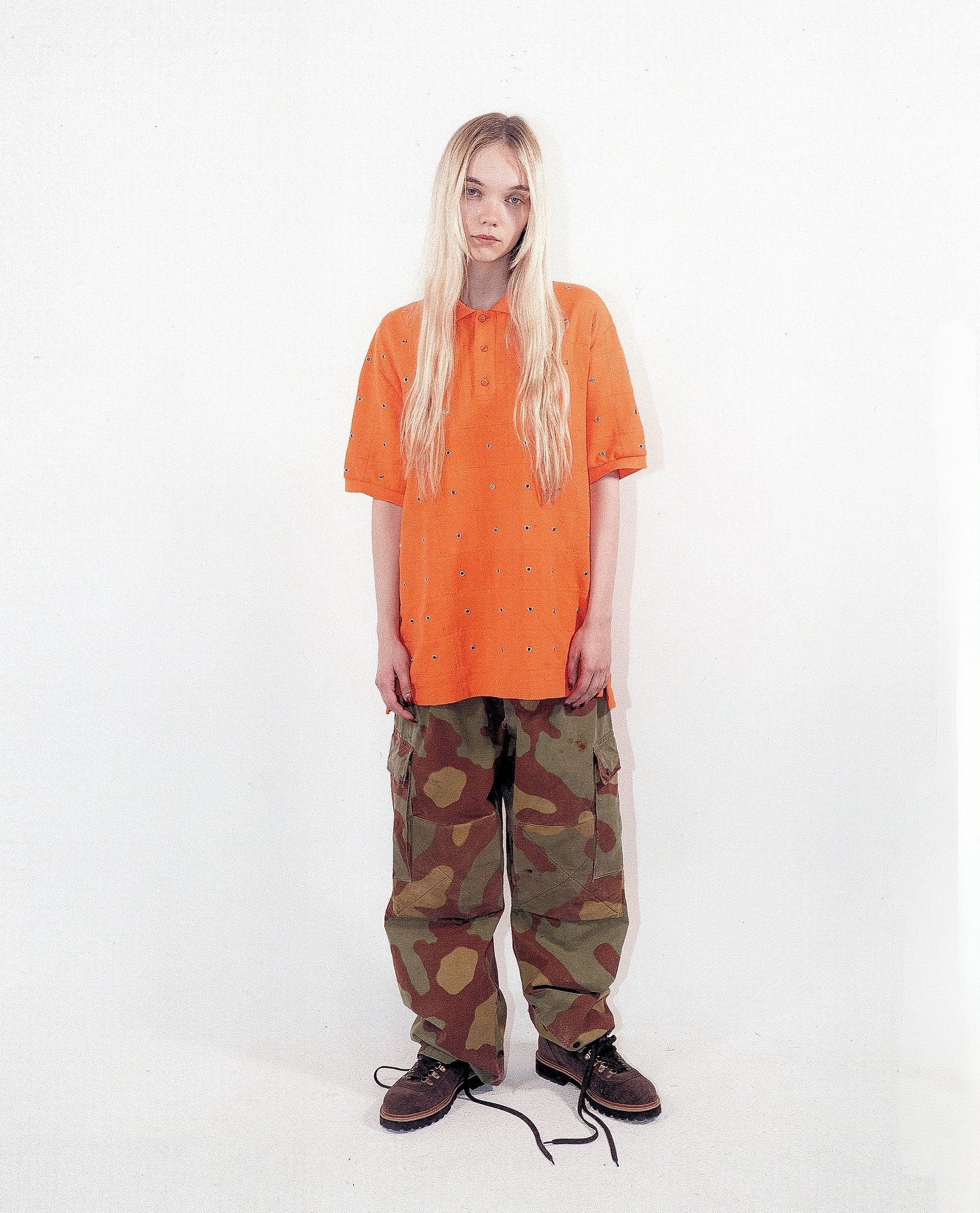
Masha, if you imagine your life five years from now, do you see yourself primarily as an engineer, a model, or as someone who will continue intentionally combining both worlds?
Over the past few years, I’ve learned not to write one specific scenario for my life too far in advance. If someone had told me a few years ago that I would be working as an engineer while also walking in fashion shows in New York, I probably wouldn’t have believed them. In the long term, I definitely see myself in engineering. I want to work with technology, continue developing professionally, take on more complex technical and management responsibilities, and I’m also considering pursuing a PhD in chemical engineering. But I don’t want to give up modeling simply because it doesn’t fit the traditional image of an engineer. Modeling has taught me confidence, communication, and how to present myself — skills that are valuable far beyond fashion. So five years from now, I see myself as someone who continues to use the opportunities both worlds offer rather than choosing between them.