
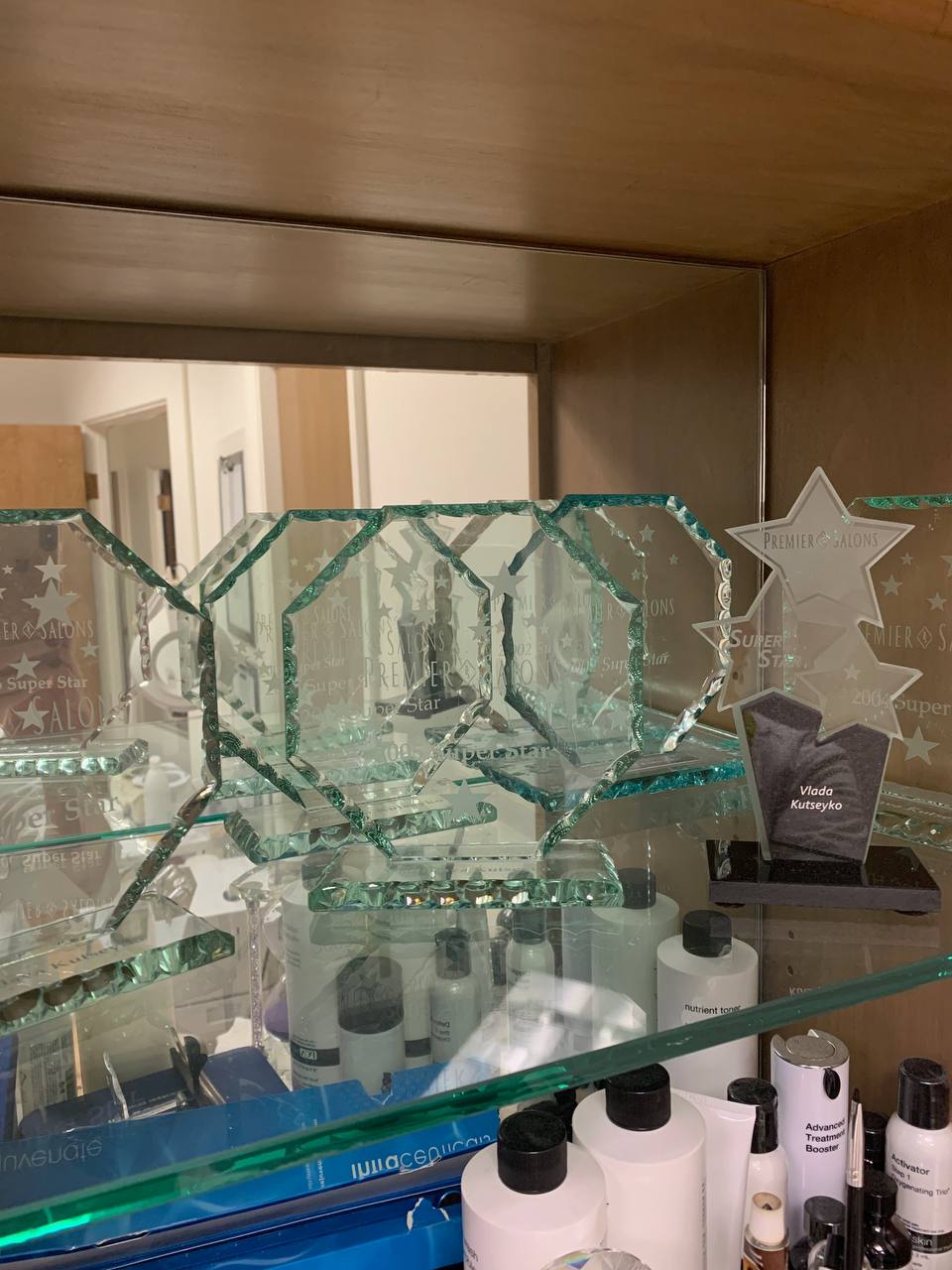
For Vladislava Kutseyko, the beauty industry is much more than skincare. She practically grew up in a beauty salon alongside her mother, a cosmetologist, and later began working as a cosmetologist herself in Odesa. After moving to the United States at the age of 22, she had to practically start her career from scratch — with minimal knowledge of English and no client base. Years of work at one of Chicago’s largest salons brought her not only professional experience but also recognition across Premier Salons — a major North American salon and spa network. Vladislava received the SUPERSTAR Award multiple times — the company’s highest corporate award, presented annually to the top 1% of salon/spa associates. Eventually, this experience led her to create her own space — Facial Boutique Chicago, where today she combines modern techniques, a professional approach, and her main principle: every client needs not a trend, but what truly meets their individual needs.
instagram.com/yourfacialboutique
instagram.com/facialboutiquechicago
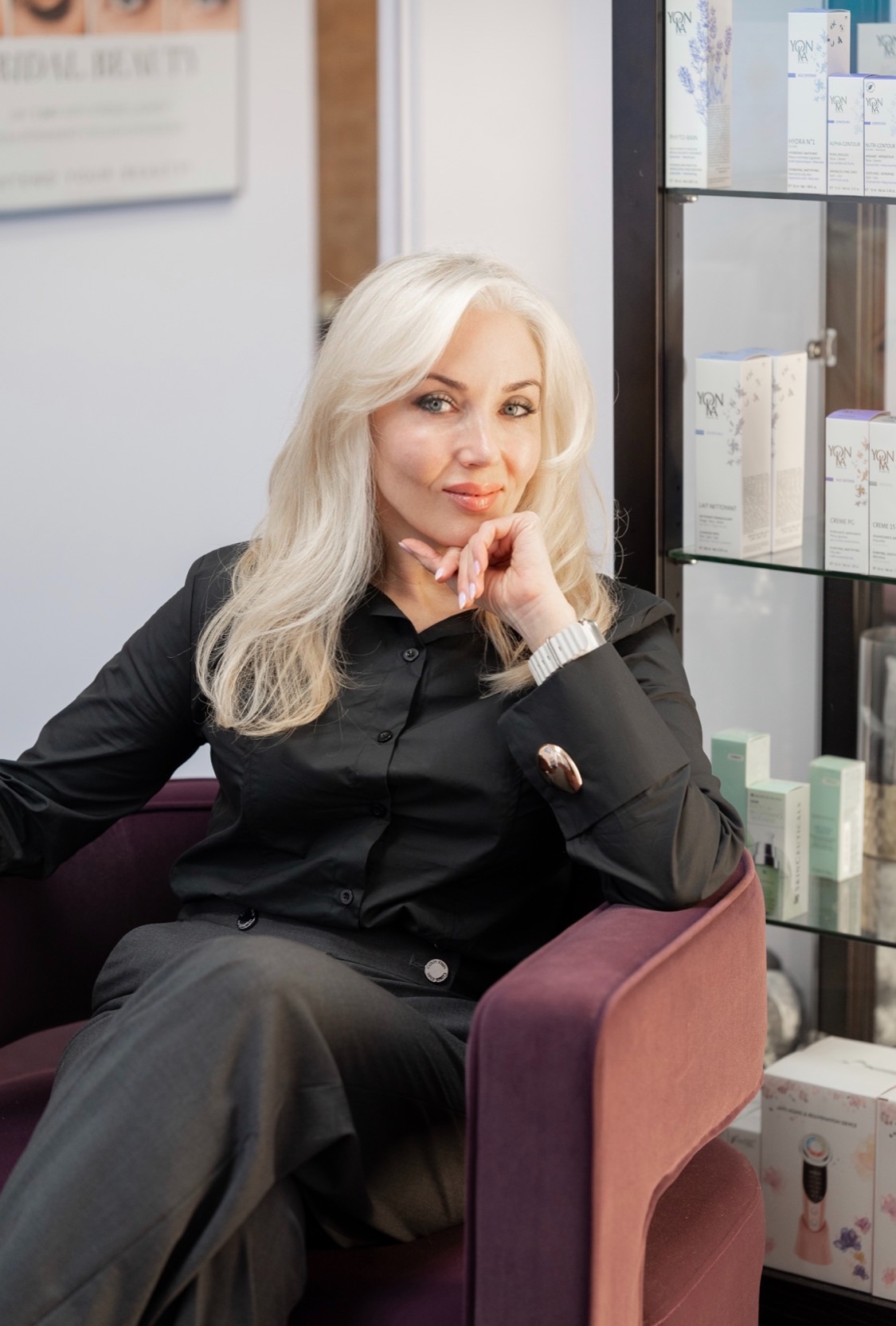
Vladislava, if you look back today at your entire professional journey, where did your story in the beauty industry actually begin?
I would probably say it all started with my mother. I literally grew up in a beauty salon, where she used to take me with her as a child, so this profession was part of my world from the very beginning. I remember the atmosphere of the salon, the women who came to my mother, their conversations, their self-care, and how their well-being changed after spending time with her. I loved watching my mother and the way she treated every person — she did not simply work with skin; she listened, communicated, noticed details, and seemed to create a small space for every woman where she could pause and give herself some attention. At the time, of course, I did not think of it as my future profession — it was simply the world I grew up in. At the same time, my father dreamed of me becoming a doctor, and for some time I genuinely tried to understand whether that was my path. As a teenager, I went to work as a nurse’s aide at a children’s clinic, and that experience taught me a lot. I realized that I did not see myself in clinical medicine, but at the same time I felt drawn to professional work with skin — the opportunity to understand its condition, see results, and remain connected with the person. Cosmetology brought together everything that felt right to me: knowledge, aesthetics, communication, and the opportunity to genuinely help someone feel better. Eventually, I chose my mother’s path, received the necessary education, and began working as a cosmetologist in Odesa. And I like to think that there was something more than just a professional decision behind that choice. In a way, I continued the story I had witnessed as a child, but over time developed my own vision of the profession. Many things that seem natural to me today when working with a client, I probably learned from my mother back then, when I did not even realize I was learning. So I cannot say that one day I simply decided to become a cosmetologist; rather, I gradually realized that the profession that had been beside me my entire life was actually mine.
More than 30 years ago, you moved to the United States and essentially started your professional life over. What was the most difficult part of those first years, and what moment became a turning point when you realized, “I really can build my career here”?
Moving to the United States was a major challenge for me because in Odesa I already had a profession, experience, and my own clients, while here it felt as though all of that had been left on the other side of the ocean. I barely spoke English, had no connections, and did not know how long it would take to feel like a professional in my field again. For some time, I worked as a shampoo assistant and waited for an opportunity to return to cosmetology, although internally it was very difficult for me to accept that after everything I had already achieved in Odesa, I now had to start, so to speak, from the very bottom. There were moments when I felt completely alone and did not know whether I would be able to make it through. At one point, I called my father and told him that I could not do it anymore and wanted to come home. And he replied, “It didn’t work out, you turned out to be weak — come back.” It sounds harsh, but those words unexpectedly became a turning point for me. I hung up and thought, “How can I be weak? Am I really going to go back just because this is difficult?” After that, something inside me changed. I stopped waiting for things to become easy and simply started doing what I could — learning English, looking for opportunities, meeting people, working, and gradually returning to my profession. When I finally got the opportunity to work as a cosmetologist, I was once again someone without a name or client base, so I understood that I would have to build everything with my own hands. I worked very hard because I knew that clients’ trust does not appear overnight. And perhaps it was then that I truly understood for the first time that I could build a career in America — not because the path would be easy, but because I was ready to see it through to the end.
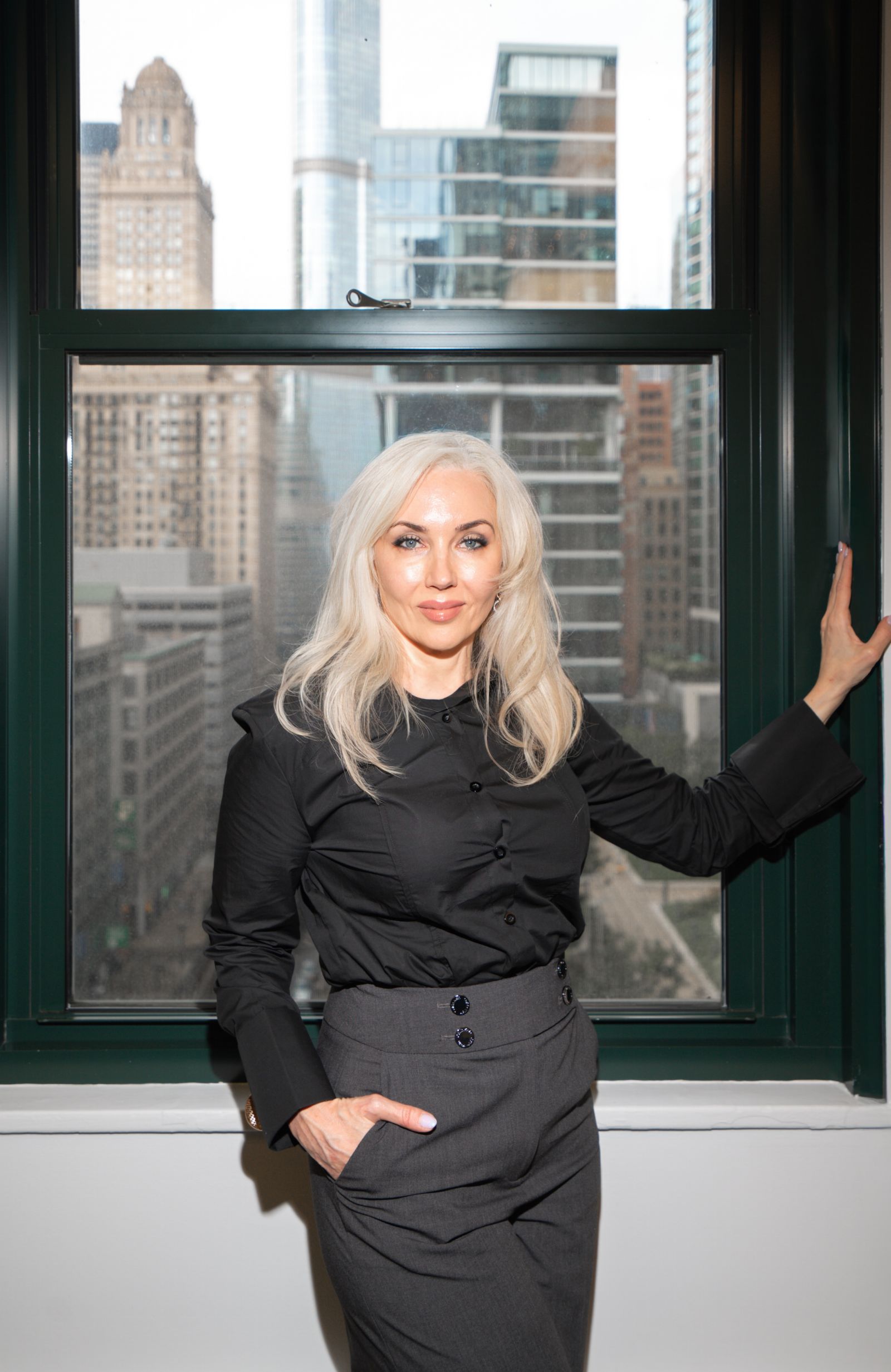
Your story carries a strong theme of home. You were born and began your professional journey in Odesa, but for many years you have been building your life in Chicago. What is home to you today?
I think that for me, home today is not one specific city. Odesa will always be a part of me because that is where my childhood, my mother, my first professional steps, and the world that shaped my attitude toward beauty and people are. Chicago became the place where I grew professionally, learned independence, built my career, and created my own business. I brought Odesa with me to America — not literally, of course, but in everything I learned there. Even Facial Boutique contains a part of that little girl who once sat in her mother’s salon and watched her work. So I do not feel that I had to choose between two homes. One gave me roots, the other gave me the opportunity to grow. And today I feel like a person who carries both of these parts within her.
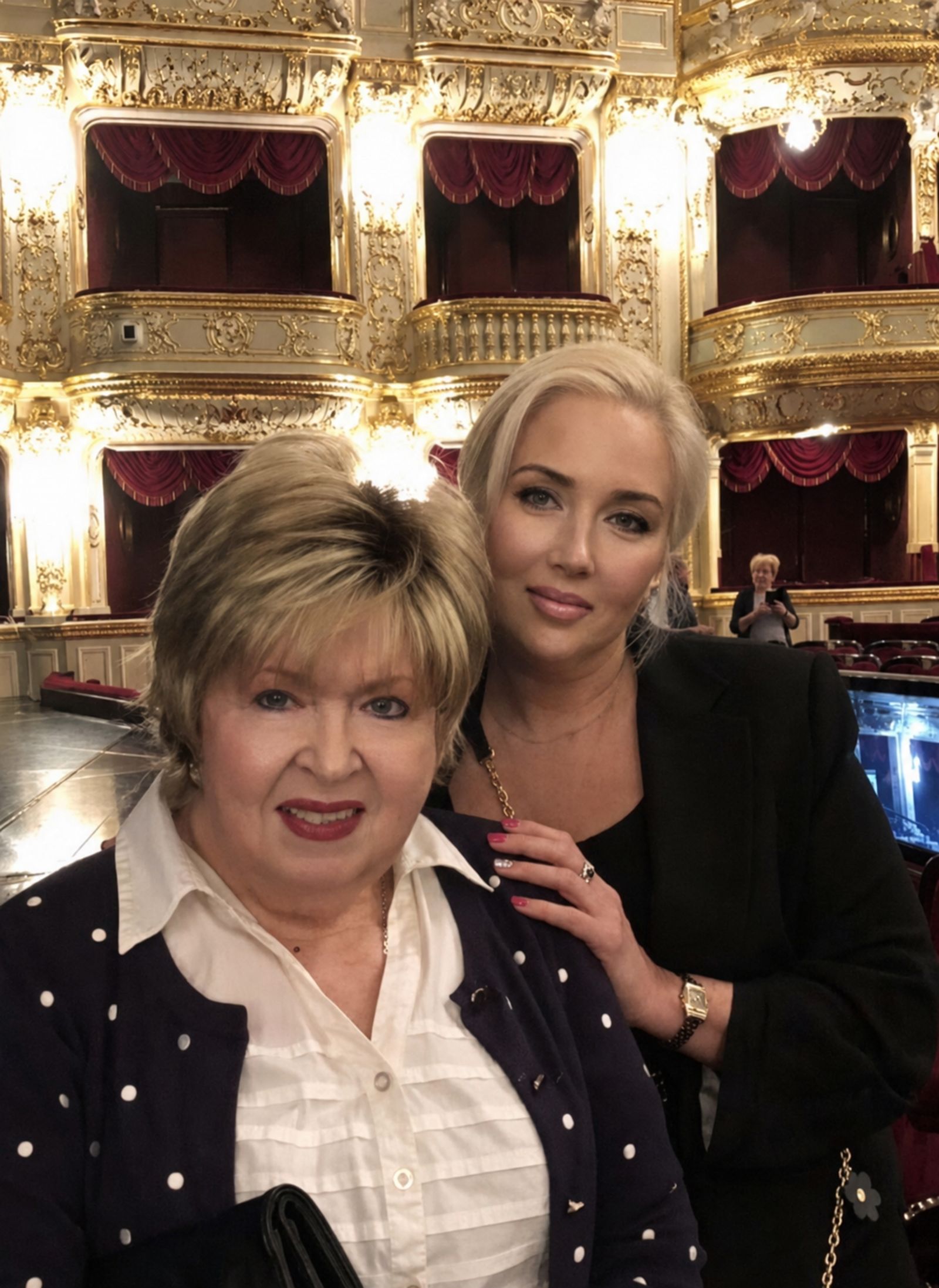
You worked for many years at one of the largest salons in downtown Chicago, but eventually opened your own Facial Boutique in Chicago — a space that has already become an extension of your professional philosophy. Was it frightening to start a business in the United States?
Of course, it was frightening. Especially when you already have stability, a strong reputation, loyal clients, and understand how many years it took to build all of that. At that salon, I did not simply work — I essentially grew there as a specialist. Over the years, I built a large client base, and many people came specifically to me, trusted me with their skin, and returned for years. I worked very hard, constantly expanded my knowledge, and gradually became one of those specialists whom clients book not because of the name of the salon, but because of the name behind the service. That is why the decision to leave was not easy. When you work in one place for so many years, it becomes part of your professional history, and the people around you become part of your life. But at some point, I felt that I wanted my own space — a place where I could work the way I felt was right and the way I believed in. I wanted Facial Boutique to be more than just another salon; I wanted it to be an extension of my approach to my work — an intimate space where I know my clients, understand their needs, and can give each person enough attention. I did not leave immediately. For a while, I combined my work at the salon with developing Facial Boutique. And when the time came to make the final choice, I realized I was ready. Today, I think what helped me most was the confidence I had built over all those years. I already knew who I was as a specialist, knew my clients, and understood why I wanted to create my own space. It was scary to leave something that was working well, but it would have been even scarier to stay simply because of fear. Sometimes fear simply means that you are stepping beyond what you already know well and beginning to build the next part of your story.
Vladislava, some of your clients have been coming to you for many years, and your very first client in Chicago is still with you! In your opinion, what actually makes a client stay with a specialist for years?
I think, first and foremost, it is trust, because in our profession it is not enough to simply know procedures well or work with quality products. If a person does not trust you, it is impossible to build a relationship that lasts for decades. For me, a client has never been just an appointment in a calendar: when someone comes to you for many years, you know the history of their skin, see how it changes, and understand what works for them and what does not. I still have clients who started coming to me back in the 1990s, and my very first client in Chicago has been with me for about 30 years. I have never tried to sell someone a treatment simply because it is more expensive or trendy: if I believe it is unnecessary, I will say so directly. Sometimes I may even recommend doing nothing at all or choosing a completely different type of care. Perhaps that is exactly why people stay with me: they know that my recommendation is based not on the desire to sell something, but on what I genuinely believe is right for their skin.
And how do you determine exactly what a particular person’s skin needs?
For me, working with skin always begins not with a procedure, but with the person. I can see the condition of the skin today, but that is not enough to understand why it is the way it is or what it truly needs. That is why I always talk to the client and ask about their home skincare routine, previous procedures, skin reactions, lifestyle, sleep, stress, nutrition, and sun exposure. When a person comes to you every month for many years, you see not just an individual condition of the skin, but how it changes over time. Recently, during a facial, I noticed a small new spot on a regular client that had not been there before and advised her to have it checked by a doctor; later, she wrote to me that it was melanoma, which had been detected at an early stage. Of course, a cosmetologist does not diagnose such conditions — that is the doctor’s job — but attentiveness and knowledge of a particular client’s skin can help identify changes that they themselves may not notice. That is why I do not fit a person into a ready-made protocol; I tailor the skincare approach to them, because two women of the same age with the same concerns do not necessarily need the same procedures.
Today, clients come to cosmetologists with an enormous amount of information and often have a ready-made list of procedures they believe they need. I’m curious, how do you work with such requests?
I work with such requests very calmly, but I always rely first and foremost on the actual condition of the skin rather than on a ready-made list of procedures. Today, people often come in with a decision already made: “I need a peel” or “I want microdermabrasion,” because they saw it on Instagram or TikTok. But if the skin is dry or dehydrated, I may refuse and explain that what it needs right now is recovery and hydration, not additional irritation. Sometimes the client is surprised because they came specifically for that procedure, but I believe it is important to be honest when they do not need it. Trends change, while the needs of the skin remain individual. That is why a good specialist must be able not only to perform a requested treatment, but also to explain why, in a particular situation, the right answer is “no.”
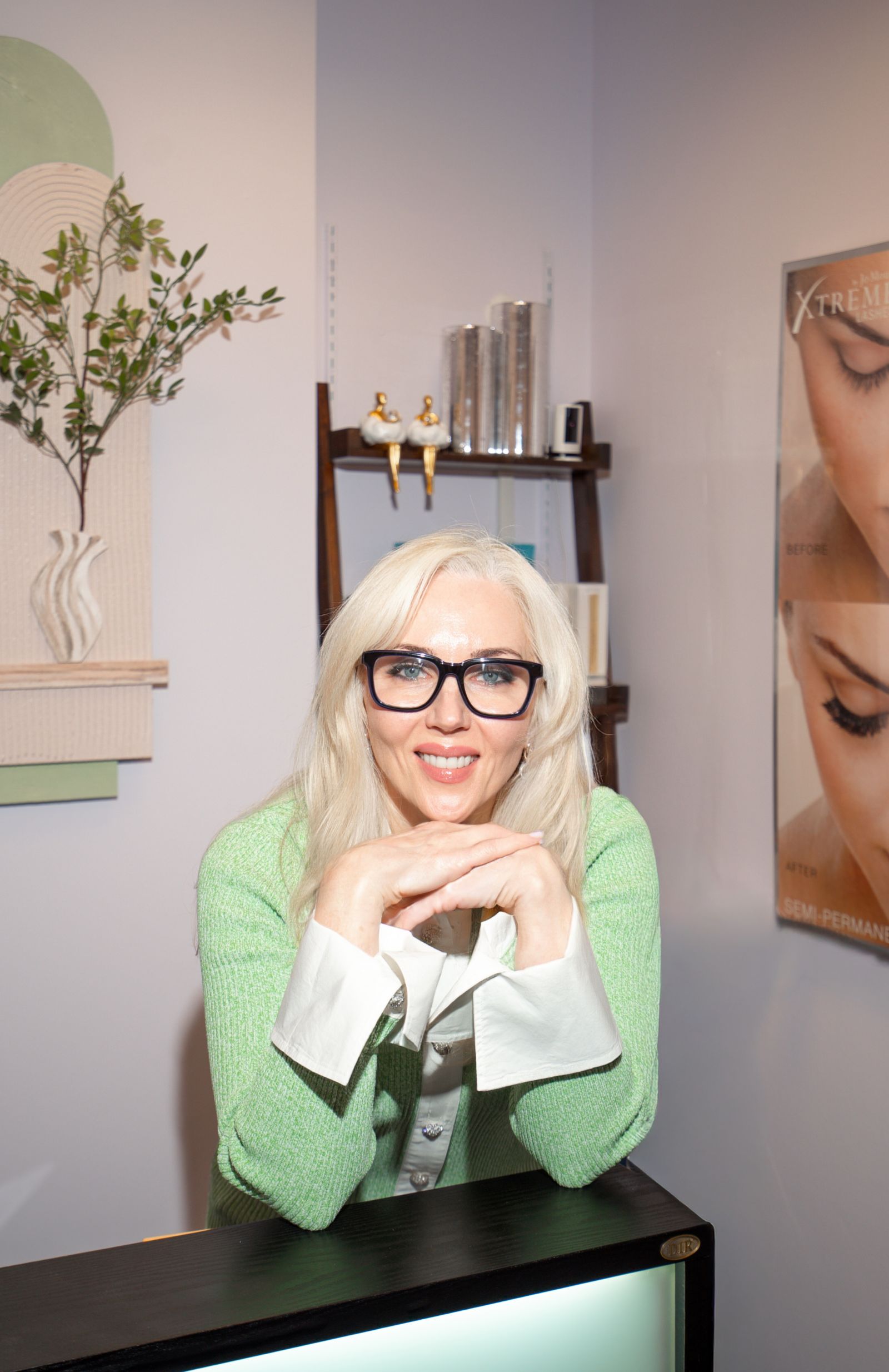
Vladislava, Facial Boutique offers treatments such as Microneedling, HydraFacial, Microcurrent Therapy, and other professional skincare protocols. Tell us how you choose the technologies and treatments you introduce into your practice?
I never choose a treatment simply because it has become popular or is being heavily advertised. In more than 30 years in the beauty industry, I have seen many trends: some genuinely changed the industry, while others disappeared just as quickly as they appeared. For me, the main criteria are safety, indications, contraindications, and real results, rather than beautiful before-and-after photos. I even have a personal rule: before offering a new treatment to my clients, when possible and appropriate, I try the treatment myself to better understand the client experience, recovery period, and results. After that, I ask myself who among my clients genuinely needs it and what problem it can help solve better than the methods already available in my practice. That is why Facial Boutique offers Microneedling, HydraFacial, Microcurrent Therapy, and other technologies — they address different needs, and it is important to me to have a range of tools for each individual person.
Vladislava, if you imagine the next stage of your life, would you like to scale Facial Boutique, develop your own brand, or teach other specialists?
Right now, I am more interested in creating something of my own and passing on the experience I have accumulated over more than 30 years in the profession. One of my long-standing dreams is to create my own skincare line, and in many ways it takes me back to my childhood, when I watched my mother, a cosmetologist, create creams, masks, and different formulations herself. Over these decades, I have worked with thousands of clients, different skin types, and a huge range of professional skincare products, so I know well which products genuinely deliver results and which rely more on marketing. I also want to develop Facial Boutique, but not necessarily by opening dozens of locations, because it is important to me to continue working personally with clients and preserve the closeness on which my business was built. I am also interested in teaching other specialists — not only procedures and skincare, but also how to build trust with clients and develop their own beauty business in the United States. Perhaps my next chapter will be exactly about that!