

Society often imposes a clearly defined life script on women: be accommodating, meet expectations, stay within familiar roles, and never start over when you are supposedly “too old.” This becomes particularly evident after 40, when many believe that the time for major life changes has already passed. Yet life often proves otherwise. Sometimes, maturity becomes the starting point for the greatest sense of inner freedom, courageous decisions, and a genuine journey of self-discovery. Iryna Zvarych is a transformational coach who has experienced profound personal change, emigration, a redefinition of her identity, and the creation of a new life on her own terms. Today, she helps other women break free from external expectations, reclaim their voices, and build lives that reflect their true values and desires.
instagram.com/iryna_life_coach3
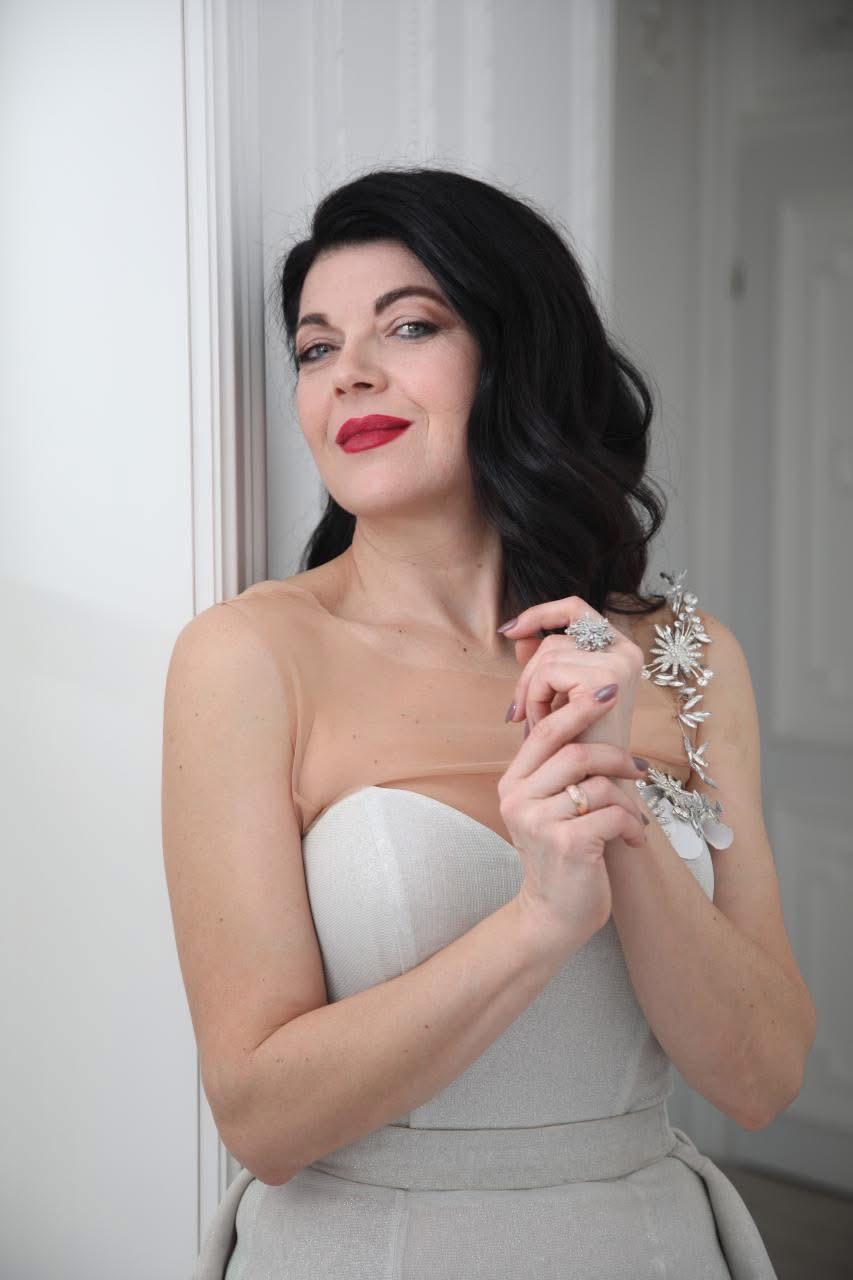
Iryna, today you help women transform their lives and move beyond familiar patterns. What was the turning point that made you stop living according to other people's expectations and start building a life on your own terms?
I often remember the words I once heard from my Irish coach: “You are just human.” That simple phrase changed the way I saw myself. For many years, I defined myself exclusively through my roles: mother, wife, daughter, manager, homemaker, and the person who had to manage everything and meet everyone's expectations. At some point, I realized that beneath all these roles, there was hardly any room left for me as an individual. Today, I am still a mother, a friend, and a professional, but none of these roles defines me entirely. First and foremost, I am a human being who wants to live a happy, balanced life and fulfill my potential. I am 51, and at this stage of my life, I am particularly aware of how quickly time passes. One day, I realized that I did not want the next few years to slip away just as unnoticed. This realization did not happen overnight. It followed a divorce, emigration, personal crises, education, working with psychologists and coaches, and many honest conversations with myself. Today, I no longer ask myself who other people want me to be. Instead, I ask: “Does this align with my values? Is this what I truly want?” I believe that genuine freedom begins with this kind of honesty with yourself.
There is a common belief that making radical life changes after 40 is either too late or too risky. Why are women afraid to start a new chapter at the very age when they have accumulated the most life experience?
I don't think the problem has anything to do with age. By the time many women reach their forties or fifties, they have become so accustomed to living for others that they have almost forgotten what it means to live for themselves. We build careers, start families, raise children, care for our parents, support loved ones, and put our own desires aside for years. Then, when the children grow up, relationships change, and familiar roles gradually move into the background, a difficult question emerges: “Who am I without all of this?” Many people call this period a midlife crisis, but I see it not as an ending, but as an opportunity to finally hear yourself. We are not afraid of change because it is necessarily frightening, but because we have spent years being told that after a certain age, it is too late to start over. Too late to change careers, relocate, get divorced, or build new relationships. After moving to Ireland, I encountered a completely different reality. Here, women over 40 start businesses, have children, get married, and confidently embrace new chapters of their lives. Nobody finds it unusual! I realized that most age-related limitations exist only in our minds. When a woman feels that her life no longer reflects her values, the best time for change is the moment she honestly acknowledges that to herself.
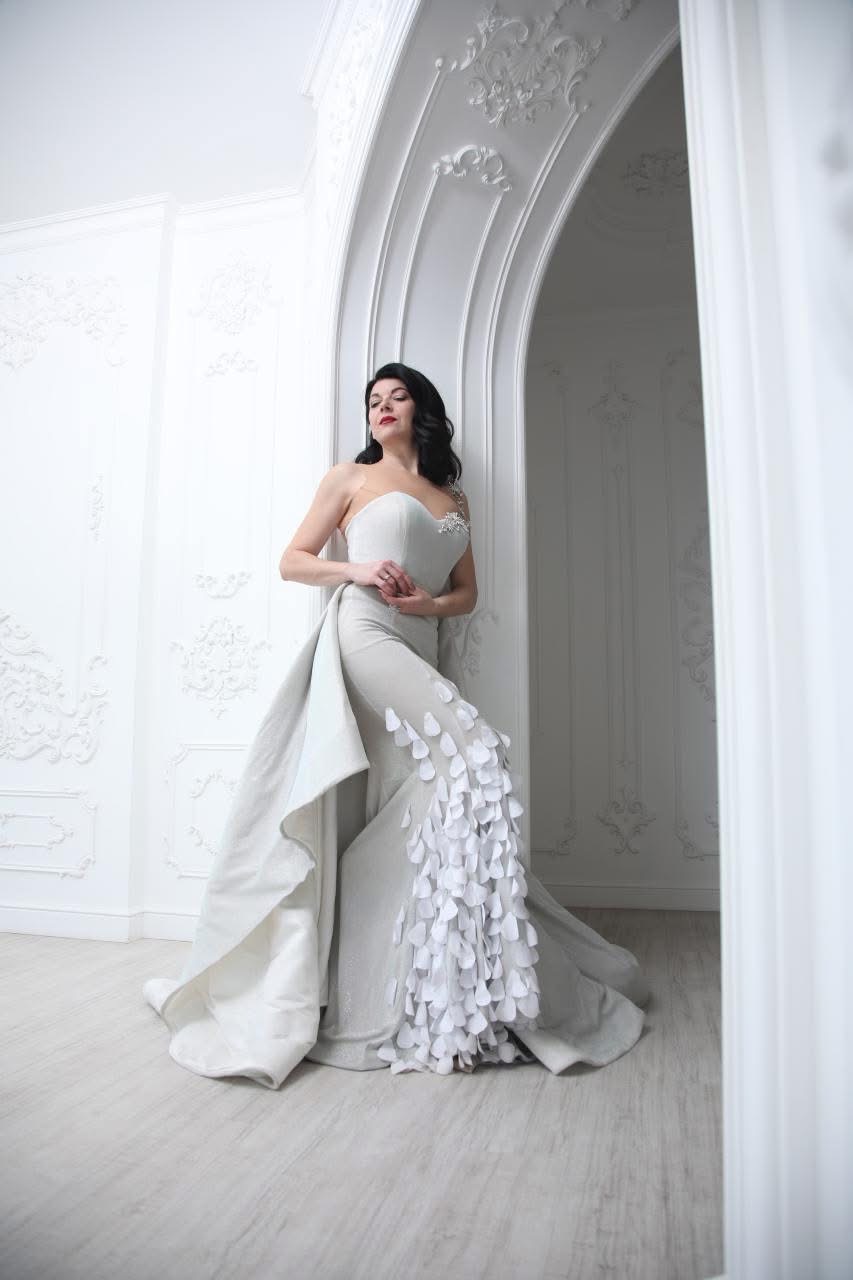
One of the central themes you explore is a woman's right to be herself. Why do so many women spend years following other people's scripts and gradually lose touch with who they really are?
Because from childhood, we are taught that in order to be loved, we need to be “good,” obedient, accommodating, and proper. Over the years, these roles become so deeply ingrained in our lives that we begin to mistake them for our true identities. I often say that, as children, we are almost dressed in a “good girl” costume. At first, it helps us gain approval, but eventually, it becomes too tight. And one day, a woman realizes that everything looks fine on the outside – she has a family, a job, and stability – yet she feels empty inside because she has not asked herself what she truly wants in a very long time. To me, authenticity means being honest with yourself; it means having the courage to stop living solely according to other people's expectations. I spent many years living that way myself, and it was only when I allowed myself to be who I truly was that I experienced genuine inner freedom. I would love every woman to ask herself at least once: “If I had nothing to prove to anyone, what would my life look like?” Very often, major transformations begin with this simple question.
Emigration often becomes a catalyst for inner transformation. How did moving to Ireland influence your perception of yourself, your personal freedom, and the role of women in society?
Moving to Ireland became one of the most significant experiences in my journey of self-discovery. Only after finding myself in a different culture did I realize how differently societies can view women. In Ukraine, we often live under constant pressure from expectations and with the feeling that we are being judged all the time. In Ireland, I experienced, for the first time, what it feels like to simply be yourself. Here, a woman does not have to conform to imposed beauty standards, change careers after 50, or avoid having a child after 40. Nobody finds it unusual. It was as though I had finally allowed myself to breathe. At the same time, emigration has helped me appreciate Ukrainian women even more. We are strong, hardworking, caring, beautiful, and incredibly resilient. Yet so often, we spend our energy not on building our own lives, but on trying to meet other people's expectations. I want Ukrainian women to finally allow themselves to live a little more freely and peacefully, and to remember that their worth does not come from meeting someone else's standards. They are valuable simply because they are themselves.
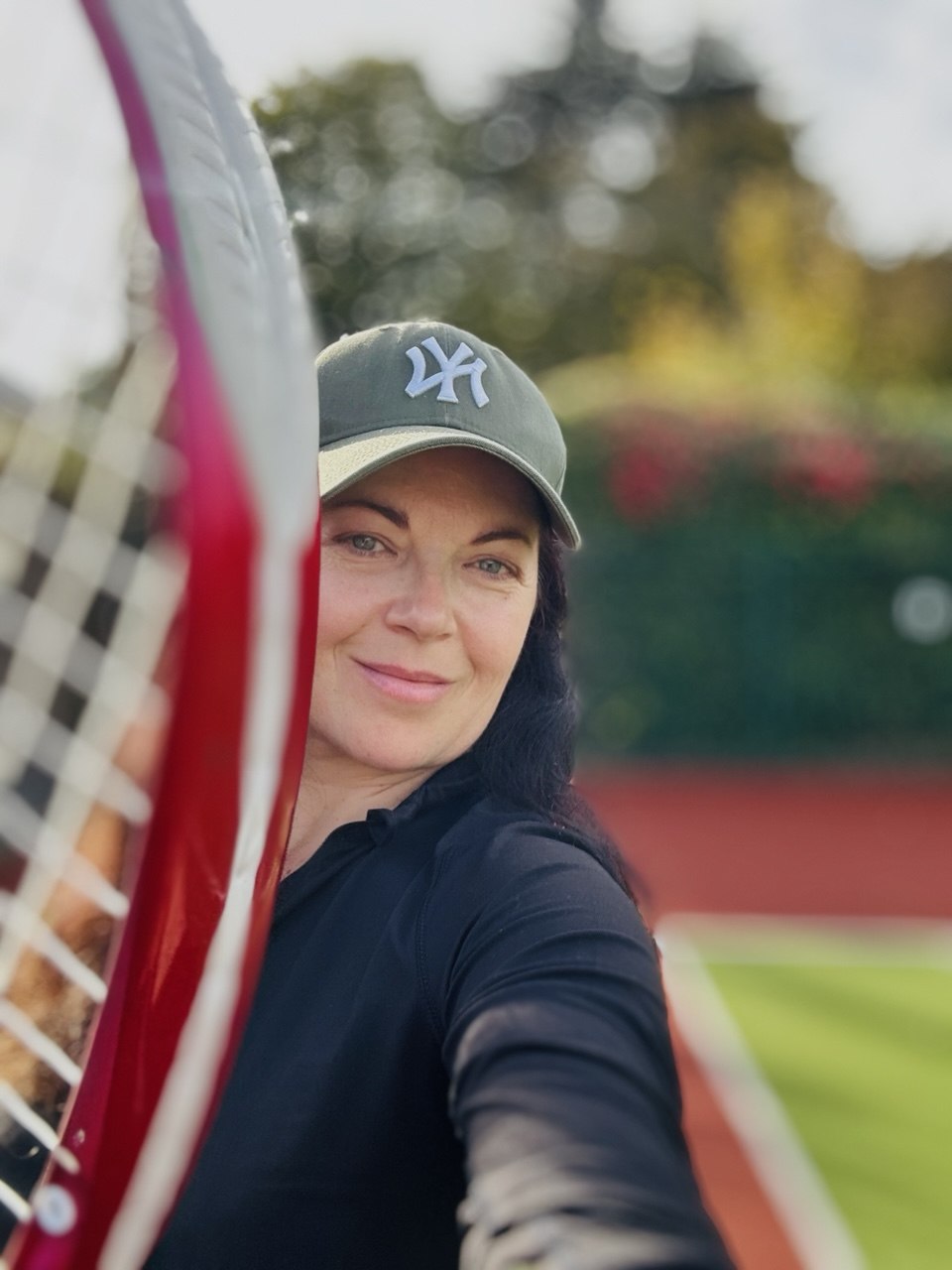
You currently work as a transformational coach. Would it be fair to say that coaching has become not just a profession for you, but also a continuation of your own personal journey?
Absolutely. I did not enter psychology and coaching because I wanted to change careers. I came to this field because life presented me with some very difficult challenges. That was when I began studying psychology in depth, pursuing professional education and international certifications, and eventually realized that coaching resonated with me the most. I am drawn to its central philosophy: rather than providing ready-made advice, you help people discover their own answers. I believe that these answers already exist within each of us; we simply lose the ability to hear them because of our fears and other people's expectations. Today, my work giv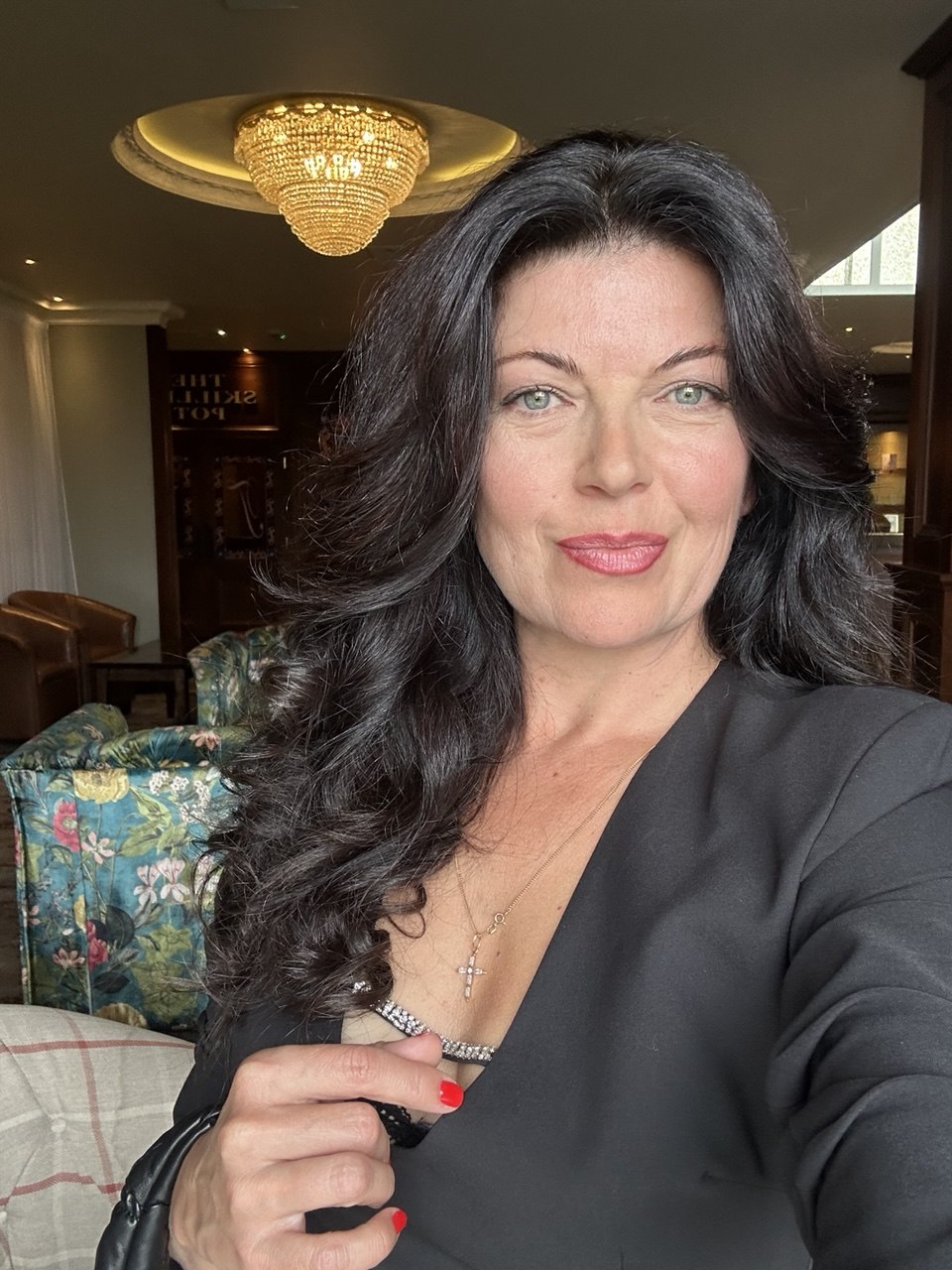 es me the opportunity to support people at the moment when they decide to become the authors of their own lives. And the greatest reward for me is seeing how, alongside their renewed belief in themselves, they rediscover their desire to truly live.
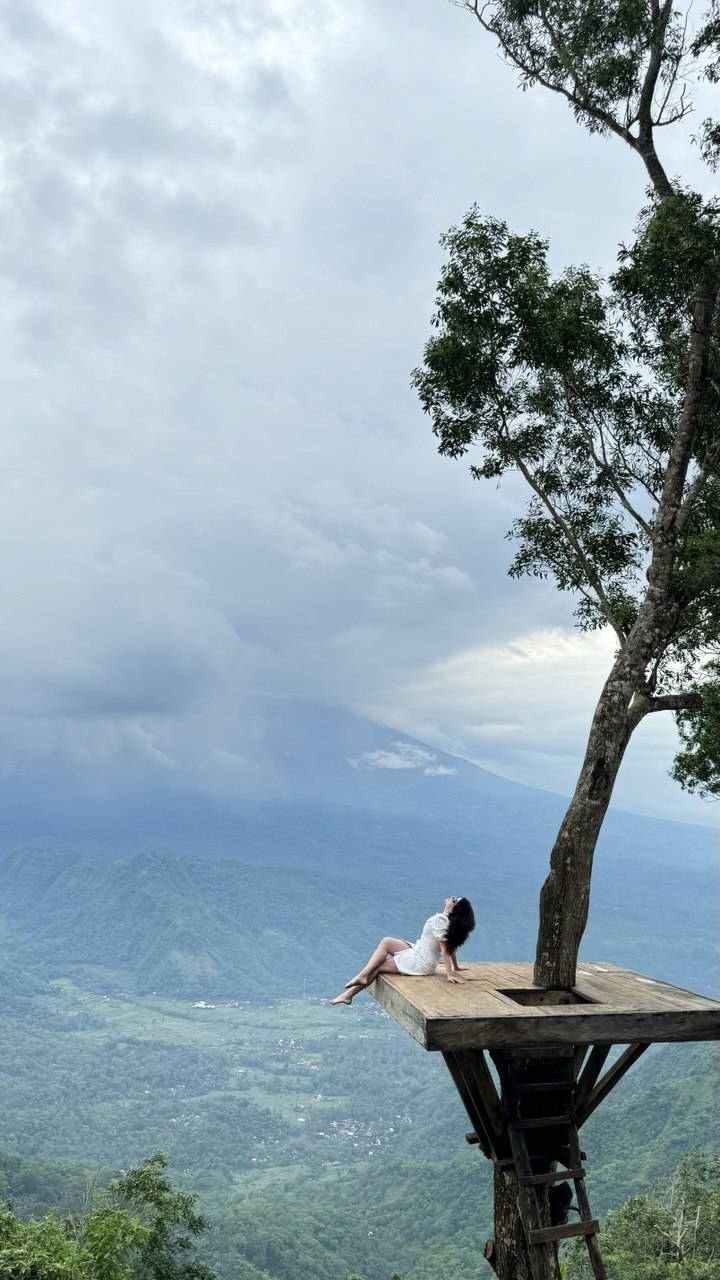
Many women dream of changing their lives but postpone those changes for years because they are afraid of losing stability. What would you say to someone standing on the threshold of a new life but unable to take the first step?
As a coach, I don't like giving advice. Instead, I ask one question that often changes the way a person looks at their situation: “What price are you already paying for not changing anything?” We are accustomed to fearing change, but we rarely consider that inaction also comes at a cost: years of life spent in a way that does not reflect what we truly want. I spent a long time waiting for the perfect moment myself, until I realized that it simply does not exist. It is possible to go through this journey alone, but it may cost you years of living according to someone else's script. Working with a coach can help you identify your genuine needs and values much faster and turn those realizations into concrete actions. Therapy is also important, but it is equally essential not to get stuck in an endless process of self-discovery instead of actually changing your life. After all, we often understand everything intellectually, but does that understanding really change the way we live?