Interview prepared by Alina Fartushna.
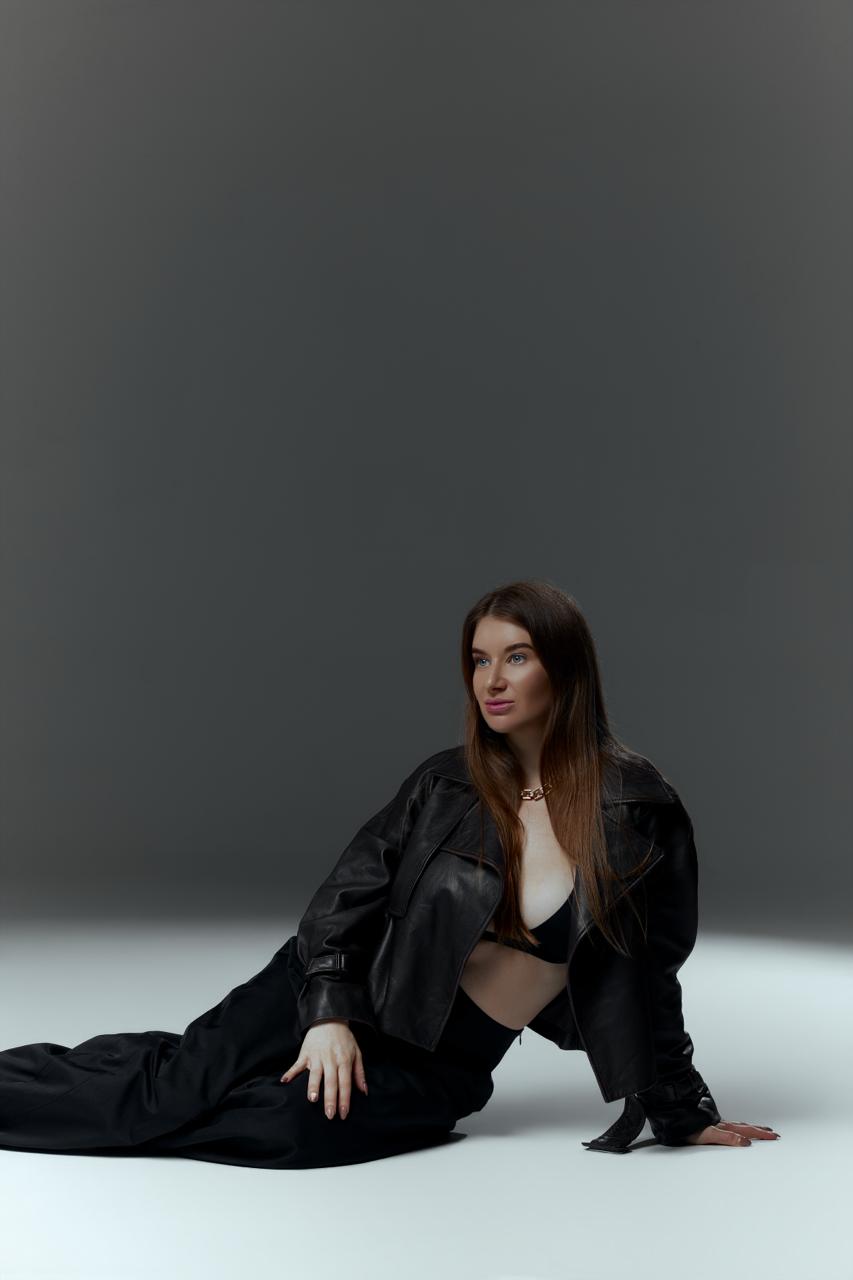
Tatyana Boyko is a professional tattoo artist specializing in botanical tattoos and fine line work. Based in the Boston area of Massachusetts, she creates delicate compositions that combine natural motifs, fine lines, and an understanding of the body's anatomy. Her professional journey began in Ukraine, continued in Austria, and eventually brought her to the United States, where she built a new career and found her own clientele. Her artistic education, experience working in different countries, and constant desire to refine her skills have helped her develop a distinctive style. Today, she not only continues to evolve artistically but also transforms her clients’ personal stories and ideas into small works of art that become part of their lives.
instagram.com/tetiana_boiko_tattoo
Email: tetianaboik@gmail.com
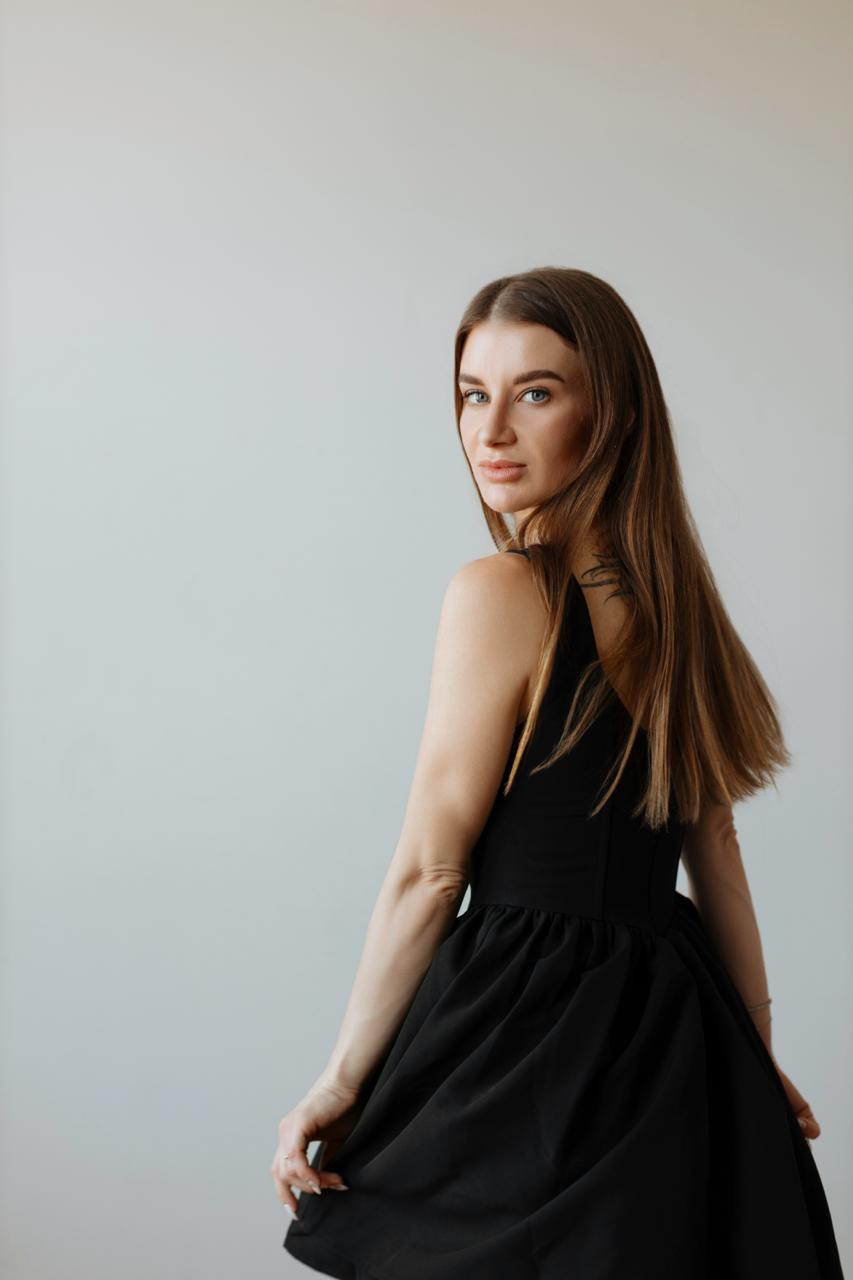
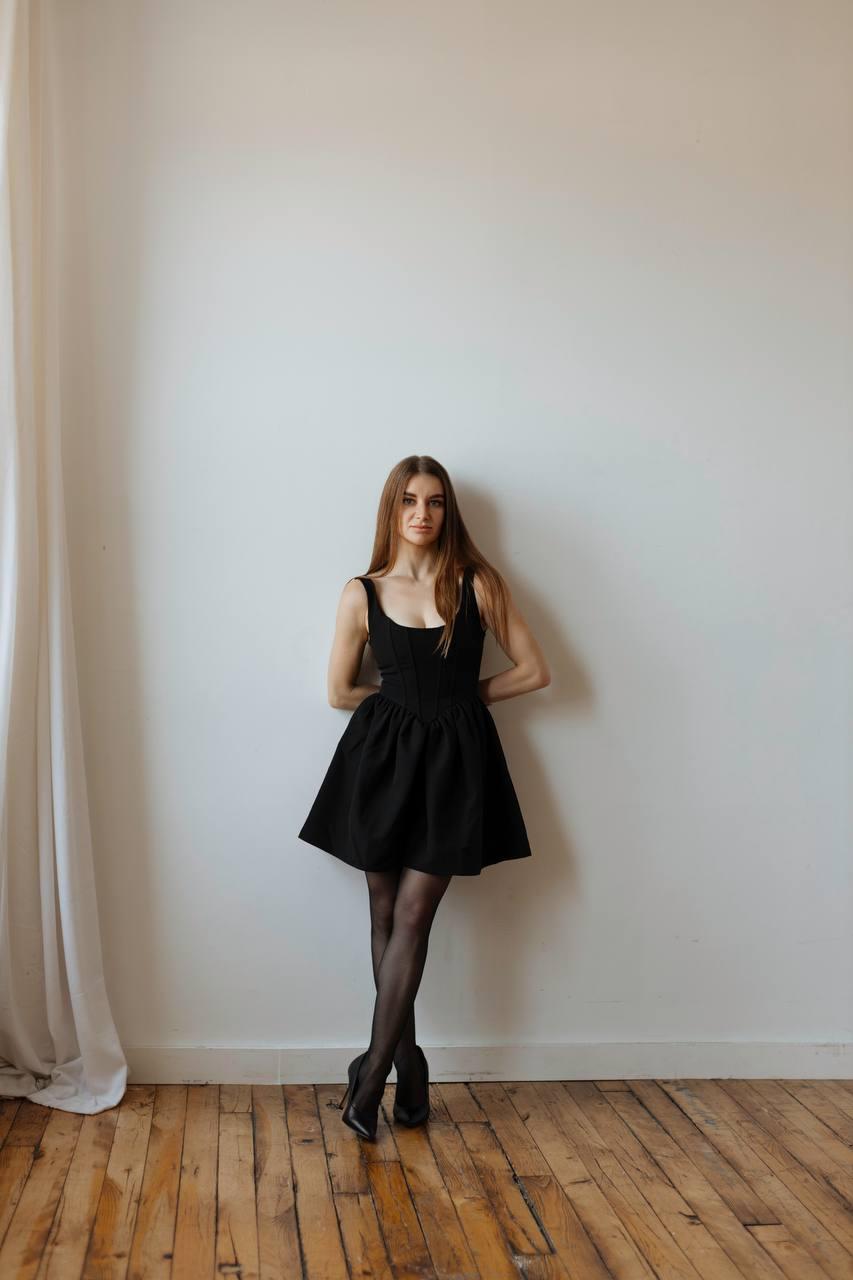
Tatyana, tell us about yourself and your creative journey. When did tattooing first enter your life as an art form, and what captivated you about it?
As far back as I can remember, I have always loved drawing. My parents noticed my passion and enrolled me in art school, although at the time I had no idea that creativity would eventually become my profession. In our family, there was often talk about the importance of having a “serious profession,” so I initially enrolled in a linguistics university. However, I eventually realized that I wanted something different and chose graphic design. During my studies, I became interested in tattooing. At first, I watched my classmates experimenting with it, and later I was particularly inspired by the work of an artist who tattooed my younger sister. That was when I first thought that I wanted to do more than simply draw—I wanted to create art on skin, combining creativity with working with people. I found courses for aspiring tattoo artists, enrolled, and after completing them, spent all my savings on the necessary equipment (smiles). I remember my first classes practicing on artificial skin. I was so excited that it felt as if wings had grown behind my back, and all I could think was, “Why didn't I try this sooner?” I did my first real tattoo on the fourth day of training. It was a moon with flowers on a girl’s wrist—a girl I had once attended school with. My hands were shaking from nervousness, and I could literally feel my vision darkening, but after a few minutes I managed to calm myself down and finish the work (smiles). Even now, when I look at it, I think the result was quite sweet for a first attempt. Of course, at the beginning, there are countless challenges and questions, but practice and experience gradually help you find the answers.
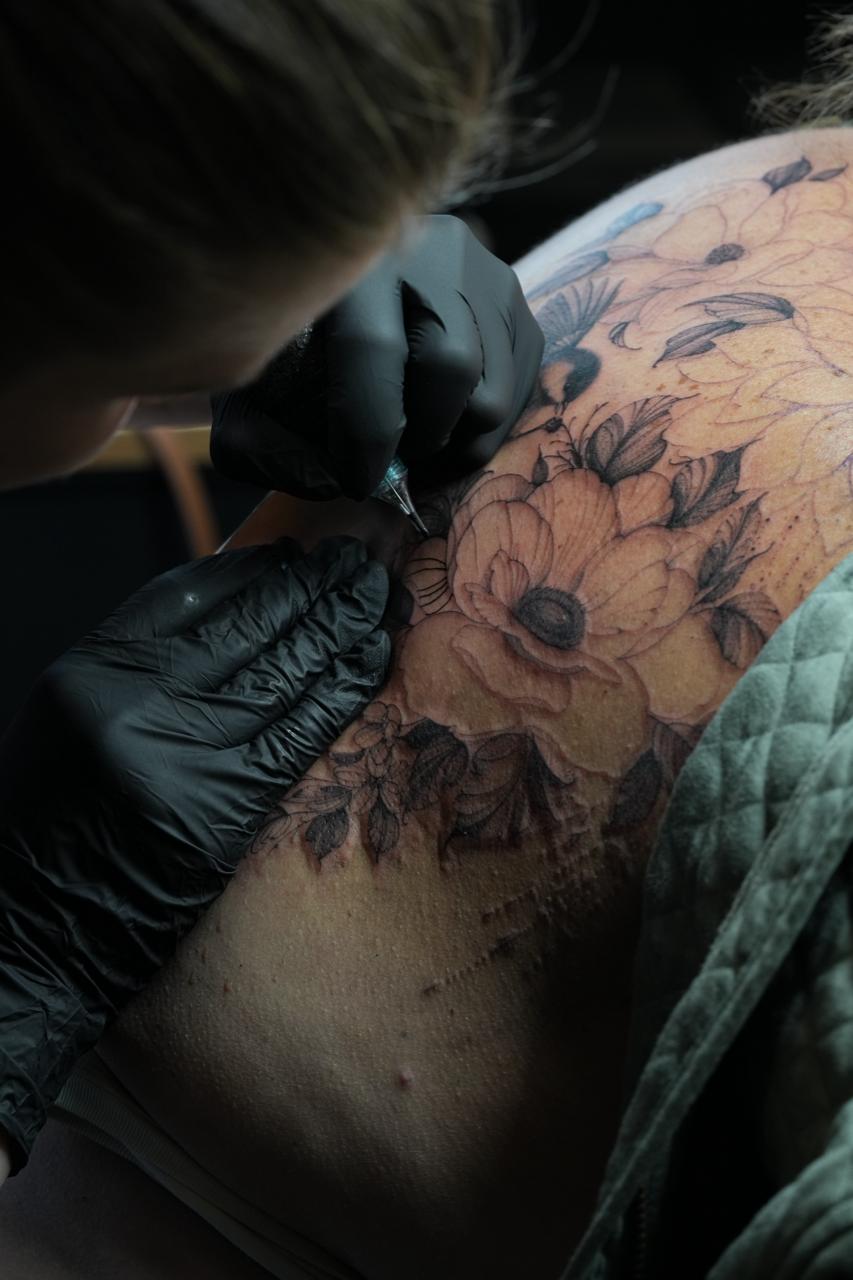
Your work reveals a particular interest in botanical motifs and fine line tattooing, a style characterized by delicate lines and intricate details. How did your signature style develop?
I love botanical motifs and abstract art, especially when they can be harmoniously combined with the body's anatomy. I enjoy taking the body's natural lines, curves, and muscle contours into account so that a tattoo does not simply decorate the skin but feels like an organic part of it. Perhaps my interest in floral compositions developed early in my career, as many of my first clients were friends who wanted delicate, light tattoos. I drew a lot of flowers, gradually refined my technique, and realized how naturally this direction resonated with me. I am fascinated by the diversity of plants, their shapes, petals, and inherent beauty. I often find inspiration during ordinary walks. I might notice an unfamiliar flower, photograph it, and later use it as the basis for a new design. These unexpected encounters with nature often become the starting point for my work.
Tatyana, you are currently based in the United States. What professional challenges did you encounter after relocating?
The biggest challenge was navigating the licensing process and establishing professional connections. I began working as a tattoo artist in Ukraine in the summer of 2021, and after the war began, I continued practicing in Austria. In the United States, obtaining my license took approximately six months. I had to pass the Bloodborne Pathogens test, complete First Aid and CPR training, and take a course in human anatomy and physiology. All the exams were in English, and I also had to provide proof of two years of education or apprenticeship. Requirements vary between cities in Massachusetts, so finding a studio that could sponsor and submit the paperwork for my license became another challenge. I contacted approximately 35 establishments before I found a team that believed in me. The studio business model is also different here. Many studios operate on a commission basis, with artists giving the studio 40–50% of each session's price and sometimes providing their own supplies as well. For the past two years, I have been working in a studio with a fixed rental arrangement, and this model suits me much better. I can manage my own schedule, organize my work independently, and enjoy greater professional freedom. At the same time, I appreciate the way Americans perceive tattooing as an art form. Body art culture is very open here, and quality work always finds its audience.
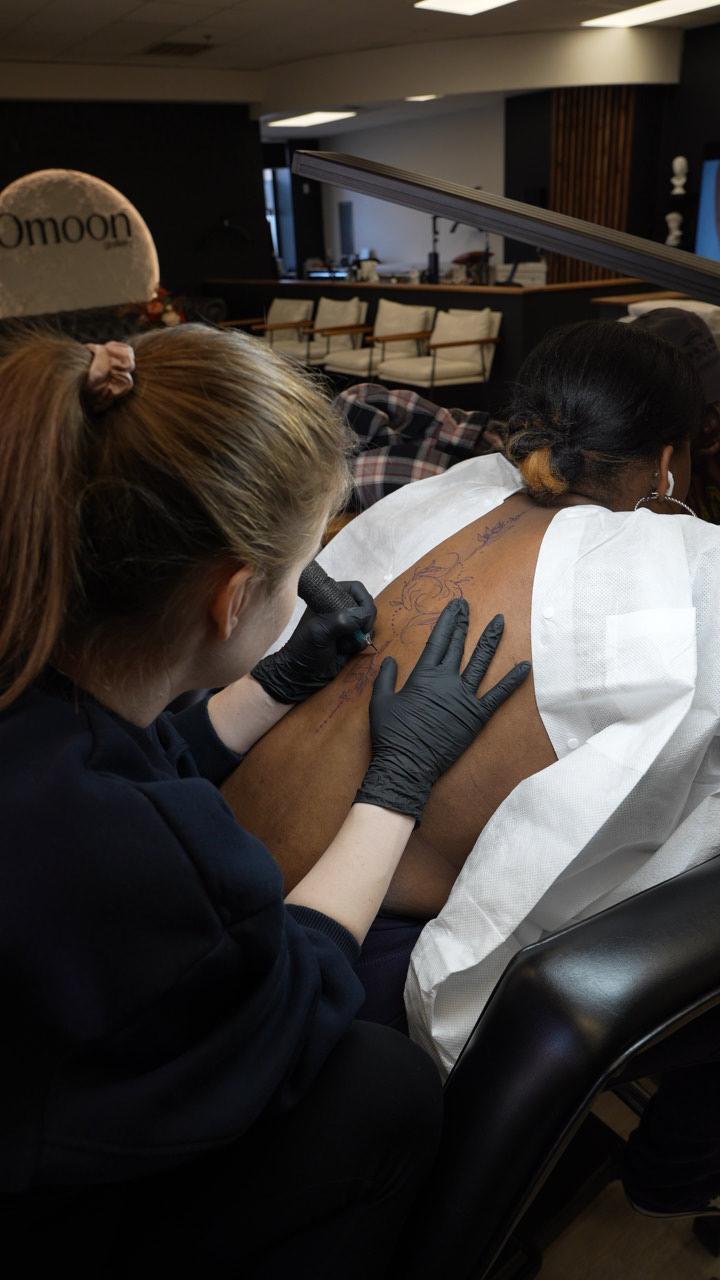
Tattooing is about understanding a person, their story, emotions, and personal meaning. How do you approach the conversation with a client before a session?
It is very important for me to understand why someone chooses a particular tattoo, because many designs are connected to deeply personal stories. Some people want a composition dedicated to their children, others choose birth flowers representing their birth month, while some want to preserve the memory of someone they love. Our communication usually begins with a message on Instagram. The client sends me an idea, reference images, and information about the desired placement and size of the tattoo. I assess the scope of the work, provide an estimated price, and usually send the design a few days before the appointment so the client has time to consider it and request any changes. I prefer this approach to creating a design on the day of the session, when the client is already in the studio and may feel some pressure to make a decision. When transferring the design onto the skin, I am also very open to additional requests. We can adjust the size or placement or try several different options. I want people to feel comfortable and understand that their opinion genuinely matters. I hope that after the session, they will remember not only their tattoo but also our meeting with warmth and positive emotions.
Tatyana, how do you envision the next stage of your professional development? What goals are you setting for yourself over the next few years?
Perhaps one day I will consider opening my own studio or teaching, sharing my experience with aspiring tattoo artists. But right now, my greatest desire is to continue developing as an artist and refining my personal style. I am still working on my drawing skills and attend an art school in Boston, where I study realistic drawing. I believe artistic education should be an ongoing process, even when you are already established in your profession and have your own clientele. At the same time, I continue developing my social media presence and working toward making my art more recognizable. I am interested in growing as an artist, experimenting, and gradually elevating the level of my work. Honestly, I am simply trying to become a better tattoo artist every day than I was yesterday. And I know there are still plenty of opportunities ahead for both creative and financial growth.