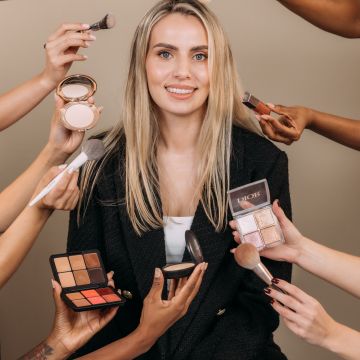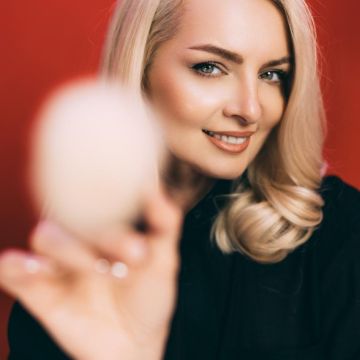

Nataliia Shemianska-Lushnikova is an international project manager with 17 years of experience in the banking and financial sectors, founder of the SheEvolution women’s community, a coach, and a career consultant. Having built her career in Canada, she works on complex business and technology projects while simultaneously creating a space for women seeking change in their professional and personal lives. Her own experience of immigration, divorce, and reevaluating relationships helped her understand that true fulfillment is not just about achieving external success, but also about learning to listen to your own needs.
instagram.com/she_evolution_nataliia
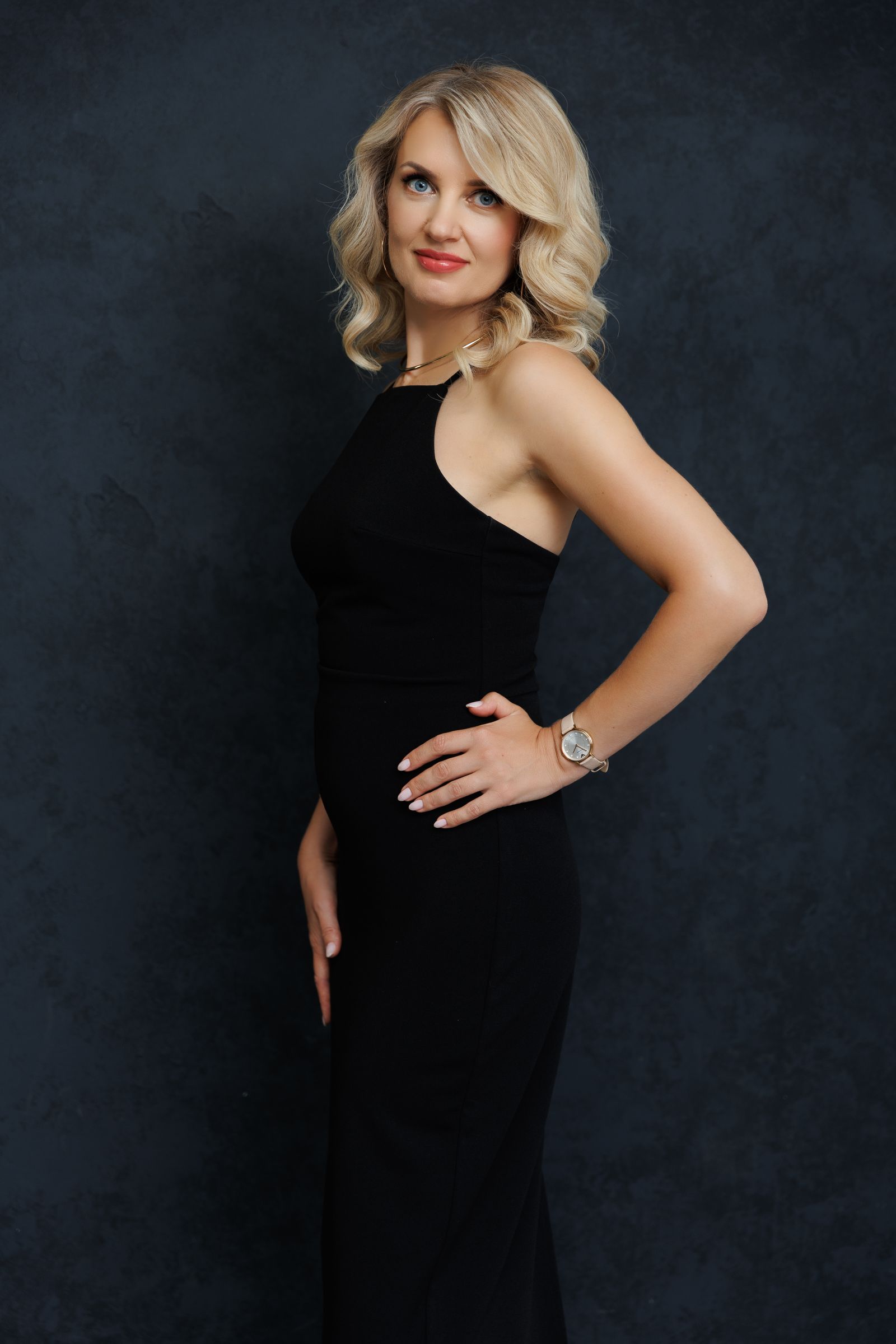
Nataliia, your story began in a small Ukrainian town, and today you are building an international career in Canada. Tell us about your journey to Canada and the challenges you faced during the adaptation process.
In 2014, amid the events unfolding in Ukraine, my then-husband and I began considering the possibility of immigrating. I took responsibility for finding a solution: I independently researched the available legal options and chose Quebec’s immigration program. I studied the requirements, prepared the documents, arranged the translations, and managed the entire process without the assistance of immigration consultants. My knowledge of French and English, two university degrees, and professional experience became important advantages when applying. In September 2017, we moved to Montreal with our eight-month-old son, but I had completed much of the preparation for our new life while still in Ukraine: I found housing, researched the job market, and planned our first steps after arrival. In Canada, I organized our daily life independently, enrolled my son in daycare, started working in a retail store, and continued my education to adapt to the local job market. By May 2018, I had returned to work in my professional field. For me, this move became proof that a structured approach, the ability to find solutions independently, and a willingness to take responsibility for my decisions can help you do more than adapt to a new country—they can help you rebuild your professional trajectory.
You work in project management, particularly in the banking and financial sectors. Alongside your corporate career, SheEvolution, a women’s community, became part of your life. What inspired you to create it?
I have been working in project management for 17 years, a field that requires the ability to analyze situations, define goals, and find effective solutions. Over time, however, I realized that my experience could be valuable not only in a corporate environment but also to other women searching for answers to difficult questions about their lives. In 2025, I began examining my own experiences more deeply, particularly my personal relationships and the beliefs that had influenced my decisions. At the same time, women increasingly began approaching me for career advice, consultations, and support. Since I had already been studying neurographica and organizing workshops, I decided to combine my management experience, coaching, and creative practices. That is how SheEvolution came about—a women’s community where you can better understand yourself, discover new opportunities, and learn to build a life aligned with your own values. One of the most important realizations for me was that professional success and inner freedom are not the same thing. I learned how to be strong in my career long before I learned how to choose myself in my personal life. That experience became one of the driving forces behind the creation of SheEvolution.
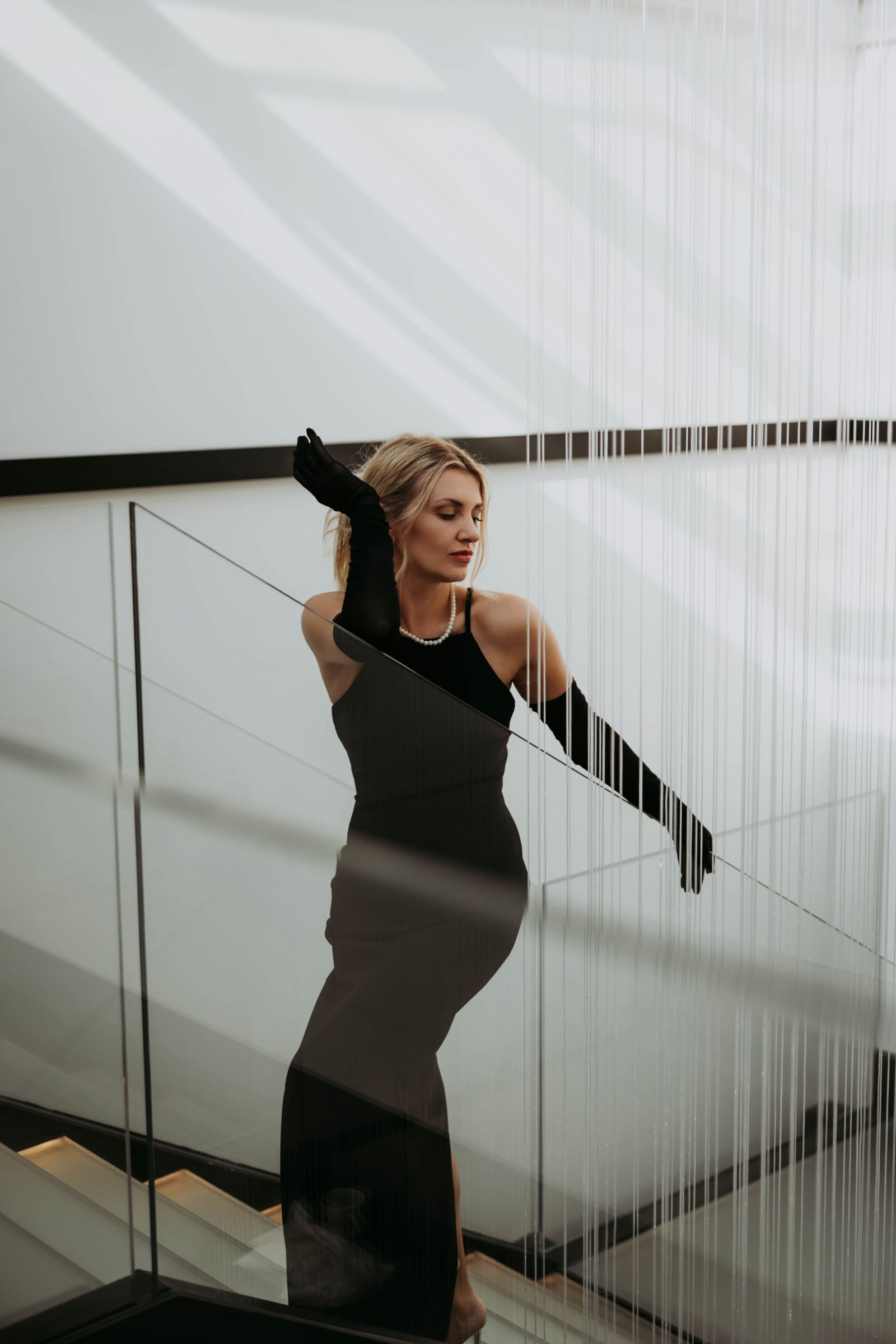
What most often prevents women from taking the next step?
Very often, it is not external circumstances that hold women back, but the beliefs they have accumulated over many years under the influence of family and society. We become accustomed to thinking that we must be good wives, caring mothers, and accommodating to others, while our own desires are repeatedly postponed. This is where doubts begin: Am I allowed to change careers, start a new business, travel alone, or leave a relationship in which I am unhappy? I understand this mechanism very well from my own experience, because even professional independence does not guarantee that a person will feel equally confident in her personal life. Through SheEvolution, I help women explore these beliefs, define their own goals, and turn self-awareness into concrete action through consultations, creative practices, and meaningful conversations. You do not always have to change your entire life at once: sometimes a new chapter begins with deciding to pursue an education, speak your mind, establish boundaries, or finally allow yourself to do something you have been dreaming about for years.
Nataliia, you have decided to participate in The Continental Pageants Europe 2027, representing Canada. Why do you feel ready to step onto this stage now, and what does this decision mean to you?
The invitation to participate came from an acquaintance of mine who is the Continental Pageants Europe ambassador in Quebec. At first, I was hesitant because I had never participated in beauty pageants and had never considered this direction part of my life. But eventually, I realized that I was turning down an opportunity before even trying, which contradicted the very idea I promote through SheEvolution. I submitted my application, completed an interview with the organizer, and received confirmation of my participation in the pageant, which will take place in Portugal in May 2027. For me, this is an opportunity to represent Canada, share my story on an international stage, and show women that they should not automatically exclude themselves from opportunities simply because they have never done something before.
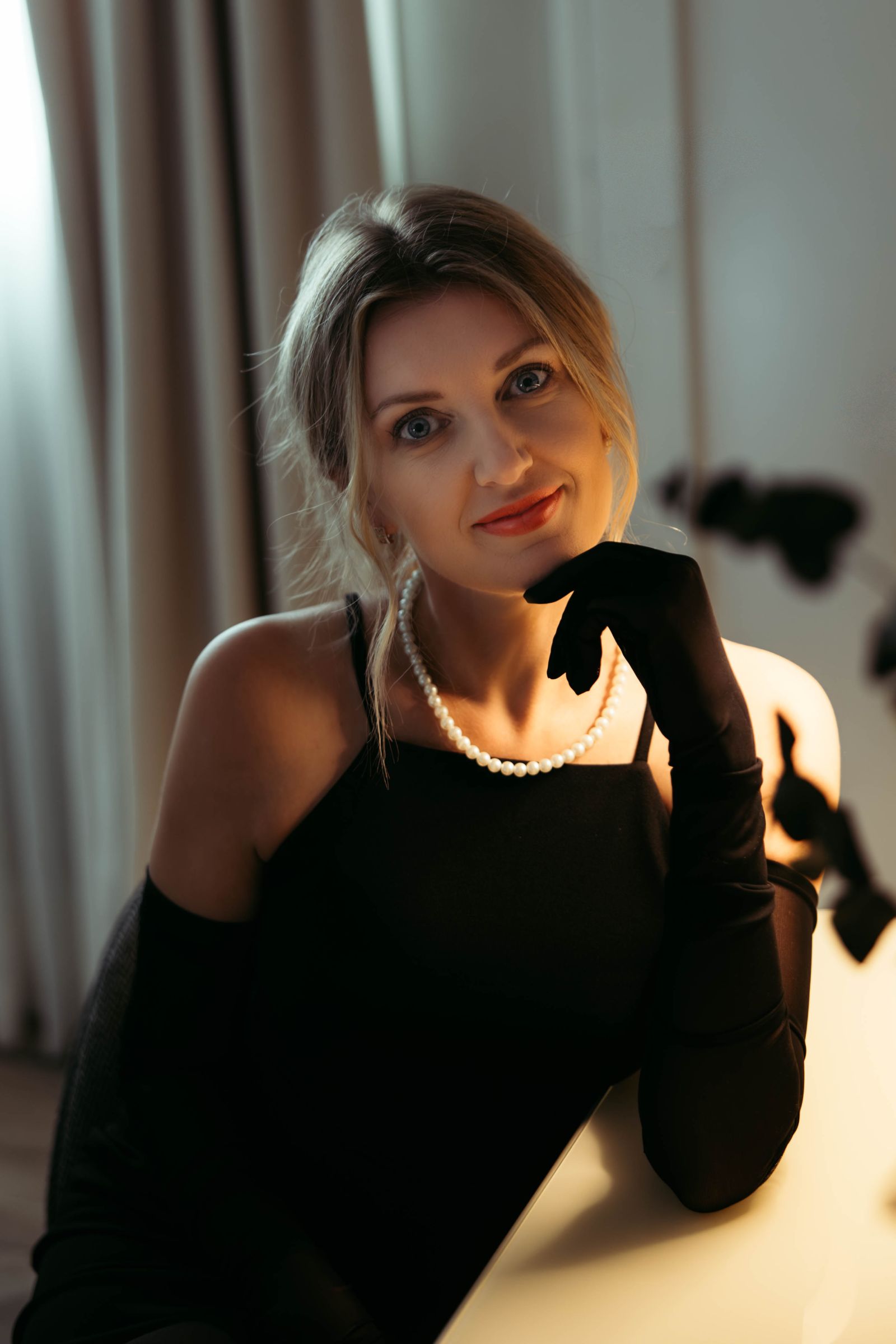
Nataliia, you speak about inner freedom and a woman’s right to choose her own path. Could you tell us about your experience of divorce?
For a long time, I viewed marriage as a lifelong commitment and never even considered that I might choose a different path. From the outside, my life always appeared successful: a career, financial independence, moving to Canada, a family. People were accustomed to seeing me as a strong woman who could overcome any difficulty. But few knew that, in my personal life, I had struggled for a long time to stand up for my own needs. That was when I realized that being successful does not necessarily mean being happy. My real transformation began when I learned to choose not only what seemed right, but also myself. After my son was born and we moved to Canada, I became particularly aware that much of the responsibility for our child, household, and finances rested on me, while I lacked support from my partner. I tried to talk about our problems, waited for things to change, and spent a long time convincing myself that perhaps this was simply how relationships were supposed to work, because I had never known another model. Eventually, I realized that I could no longer—and did not want to—continue carrying everything on my own while our relationship gradually lost its emotional closeness. The decision to divorce was not made overnight: emotionally, I had already gone through the end of the relationship before we physically separated, and we finalized the divorce calmly, trying to maintain healthy communication for the sake of our son. Afterward, I began building a life with my child, but eventually realized that divorce alone was not enough to change deeply ingrained behavioral patterns. That was when I sought the help of a psychologist and began working on myself more deeply.

What helps you restore your energy, reconnect with yourself, and maintain balance between work, motherhood, and your own needs today?
In the past, I rarely stopped to consider what I wanted for myself. Most of my decisions revolved around my family, work, and responsibilities. Today, I consciously make time for myself and no longer postpone travel, relaxation, or new experiences simply because I do not have someone to accompany me. I have tried surfing, take part in sports and dancing, traveled to Alaska with my son, and continue discovering new places. At home, I have created a separate room in a French-inspired style where I can read, relax, or simply spend time alone. When I feel tired, I can go to a park, forest, or spa without having to justify my need for rest to myself. This is an important change for me: I have learned not only to take responsibility for others but also to take my own needs seriously. I believe that change does not necessarily begin with radical decisions; sometimes, you first need to understand your feelings and gradually find your way forward.
Interview prepared by Alina Fartushna.