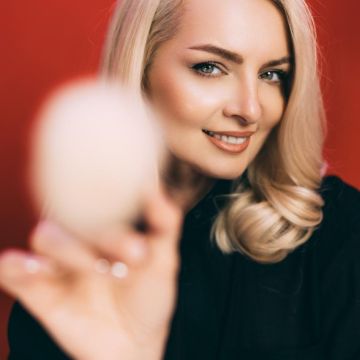

Oksana Wagner is a fine art and editorial photographer whose work emerges at the intersection of light, shadow, emotion, and human stories. Her artistic project, Oxiarta, has become a space for visual narratives in which photography moves beyond capturing a moment and becomes a way of exploring the human inner world. Her creative journey is unfolding on the international art scene, including in Miami, Paris, and Los Angeles, where she is developing her distinctive visual language and collaborating with members of the creative community. Photography, however, is only one of the ways Oksana tells stories: she is also pursuing acting, ballroom dancing, and screenwriting. All these disciplines are united by her desire to create art that does more than present an image—it allows the viewer to feel the story behind it.
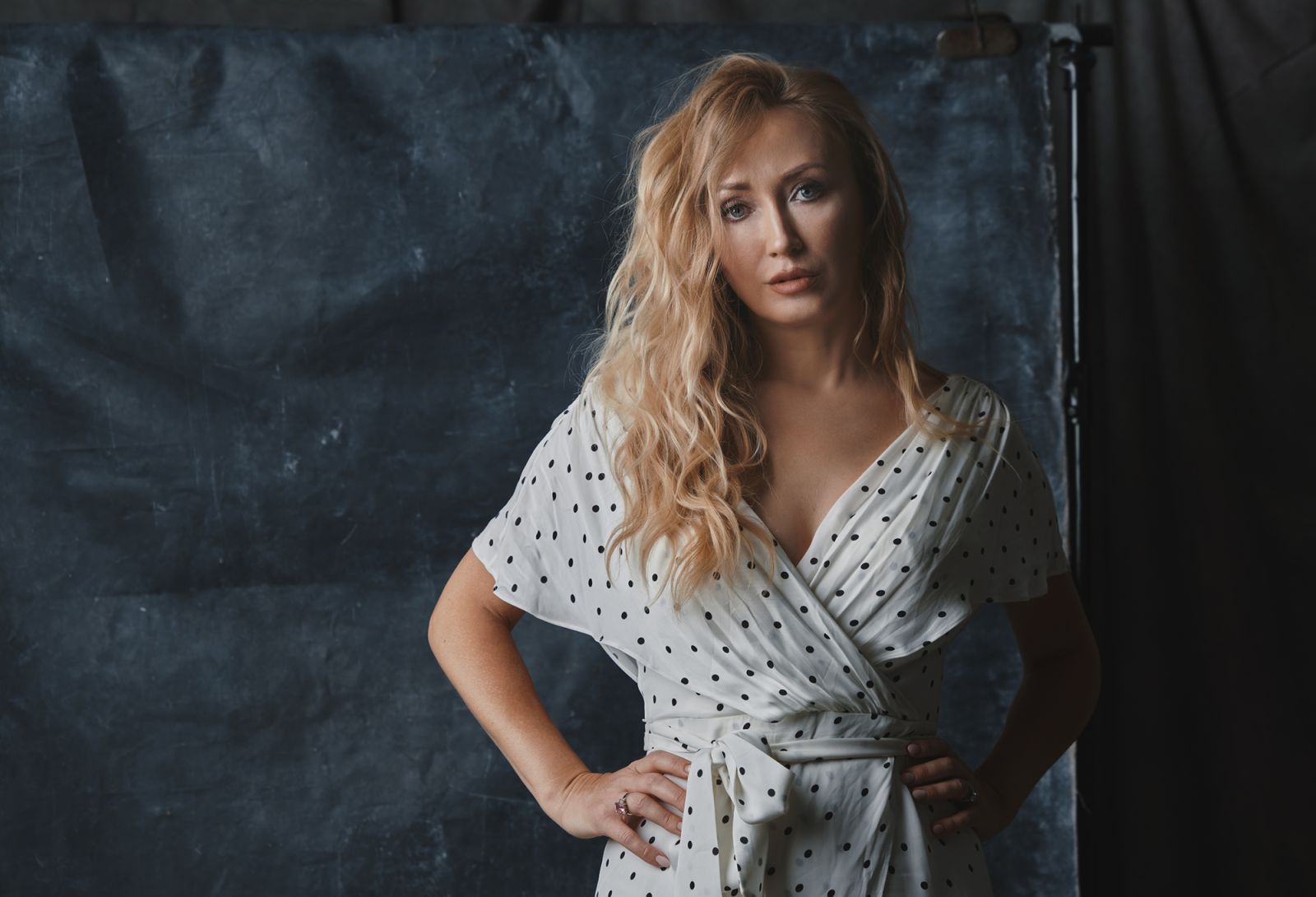
Oksana, if you look back at your entire creative journey, where did your story with art and photography truly begin?
My story with art began in childhood, when my mother used to buy me postcards featuring reproductions of paintings from the Dresden Gallery. I could spend hours looking at them, inventing stories about the characters and trying to understand how artists managed to capture light, textures, and the smallest details so realistically. Back then, I was choosing between painting, ballet, and music, but ultimately, my love for movement won. I discovered photography through my modeling experience, but I consciously picked up a camera as an artist in 2020, during the pandemic. Photography became a way for me to explore my own emotions, inner contradictions, and desire for freedom—things I found difficult to express in words. Photographer Arman Zhenikyeiev played a significant role in my development, believing in my talent and helping me grow professionally. After just my third photoshoot, one of my works was selected among the top 100 entries in a conceptual photography competition and published in a printed catalog. That experience helped me realize that photography could become something far greater than simply creating a beautiful image.
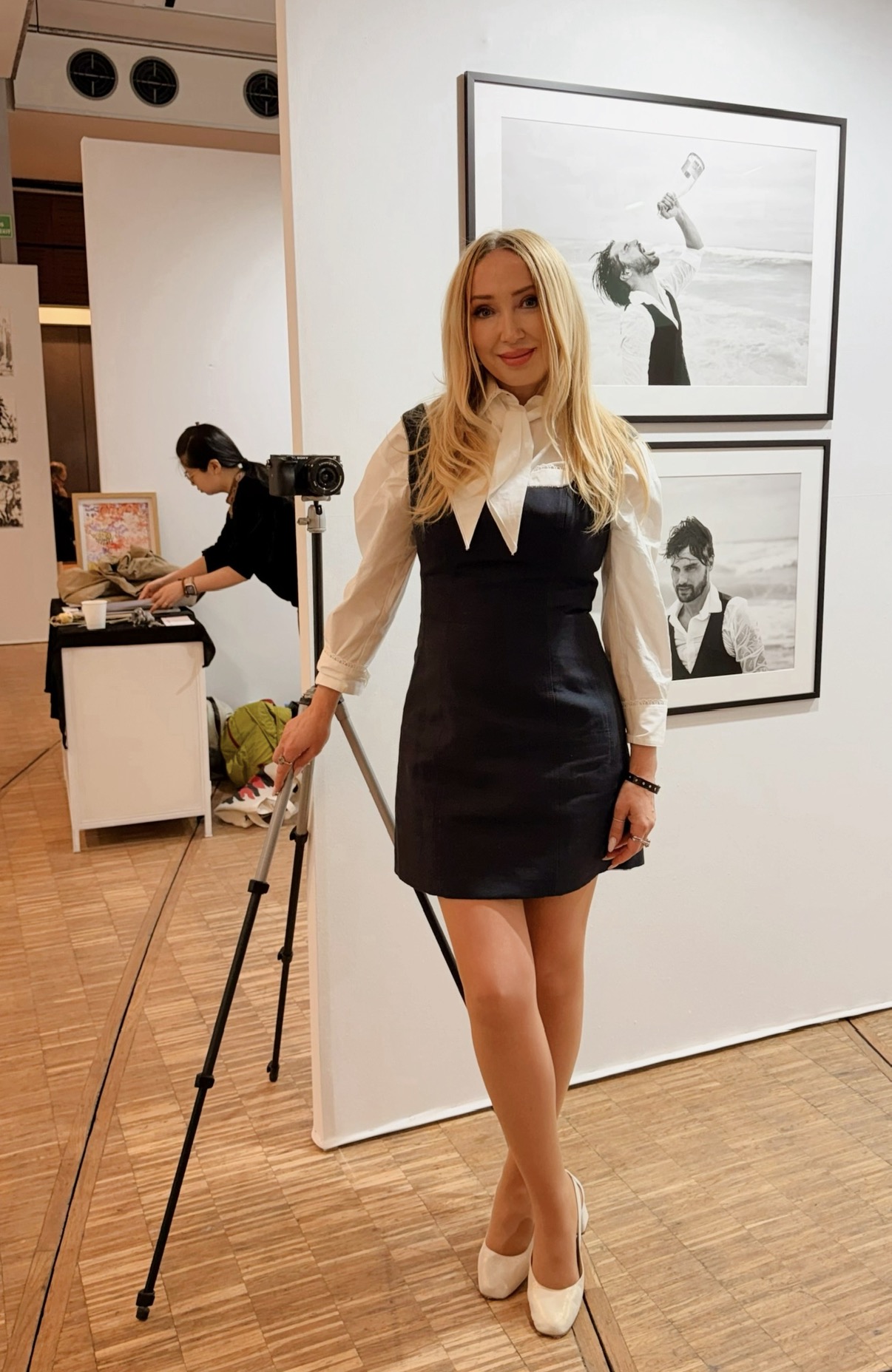
You work in Fine Art & Editorial Photography, and your profile features the striking description “Visual Stories in Shadow & Light.” What do light and shadow mean to you personally?
For me, light and shadow are much more than photographic tools; they allow me to explore a person's inner world and hidden sides. I am interested not only in what people reveal to those around them, but also in what they conceal even from themselves. Behind a man's outward confidence, I may see tenderness and vulnerability, while behind a woman's restraint, I may discover a free, playful side of her personality longing to emerge. My understanding of light and shadow is also deeply connected to my own experience, as I had to learn to accept different sides of my personality. For example, I once feared leadership because, as a child, I had learned that being visible could be dangerous. It was only later that I managed to reclaim that part of my character. Today, I understand that our shadow does not always represent something negative; sometimes, it conceals a strength we have learned to suppress. Through my photography, I strive to create moments in which people can see themselves beyond others' expectations and discover the beauty of their own wholeness.
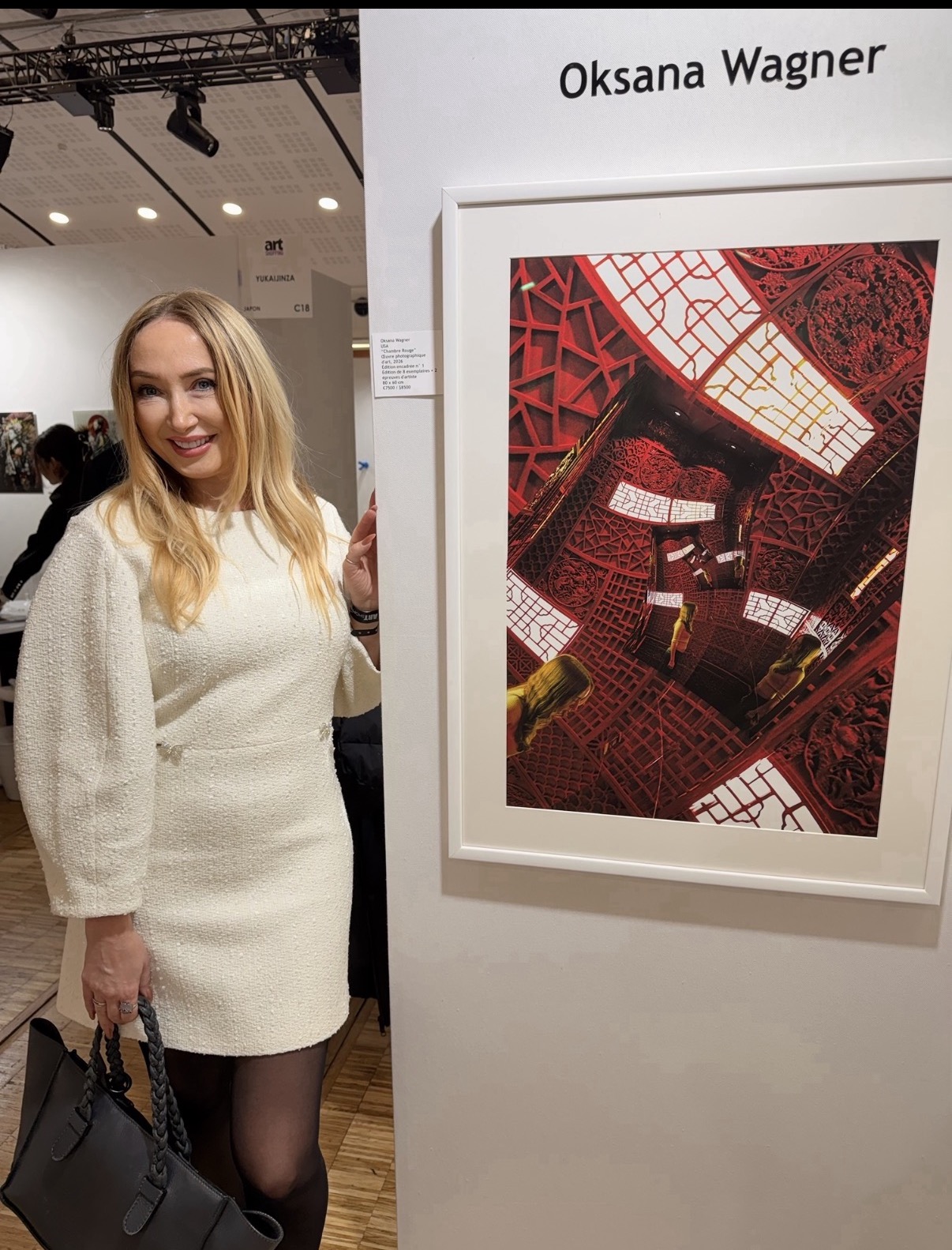
How do you find the emotion that becomes the foundation of a photograph?
For me, photography should evoke emotion, awaken the imagination, and leave room for the viewer to create their own story. That is why my work begins long before the actual shoot—with a conversation, observation, and an attempt to understand a person's inner world. I create an atmosphere in which someone can step beyond their familiar image, using light, movement, music, dialogue, and subtle direction. What fascinates me most is the moment of transformation, when the need to pose disappears and a genuine emotion comes to the surface. I am not striving for a perfect image simply for the sake of perfection; I am far more interested in the inner contradictions, vulnerability, and strength that can coexist within a single person. Often, the most powerful photograph emerges when the subject stops controlling every movement and simply allows themselves to be who they are.
Oxiarta is a distinct chapter in your creative story. Tell us how this concept came to life and what Oxiarta represents today.
Oxiarta was born from my desire to create my own artistic world, where emotions could move beyond familiar limitations and find their freedom of expression. I have never been interested in producing as many works as possible, because for me, the strength of each photograph and its ability to speak for itself matter far more than quantity. I am very selective about what I include in my collection: every piece must have its own voice and evoke a feeling that does not disappear immediately after viewing it. I love when a photograph ceases to be merely an image and becomes part of a personal story, a space, or someone's life. That is why I do not see art as decoration, because it has the power to change the atmosphere, awaken memories, and reveal new meanings. Today, Oxiarta is, above all, an expression of my creative freedom and the opportunity to work without compromising my vision. I do not want to simply fill spaces with photographs; I want to create works that bring those spaces to life.
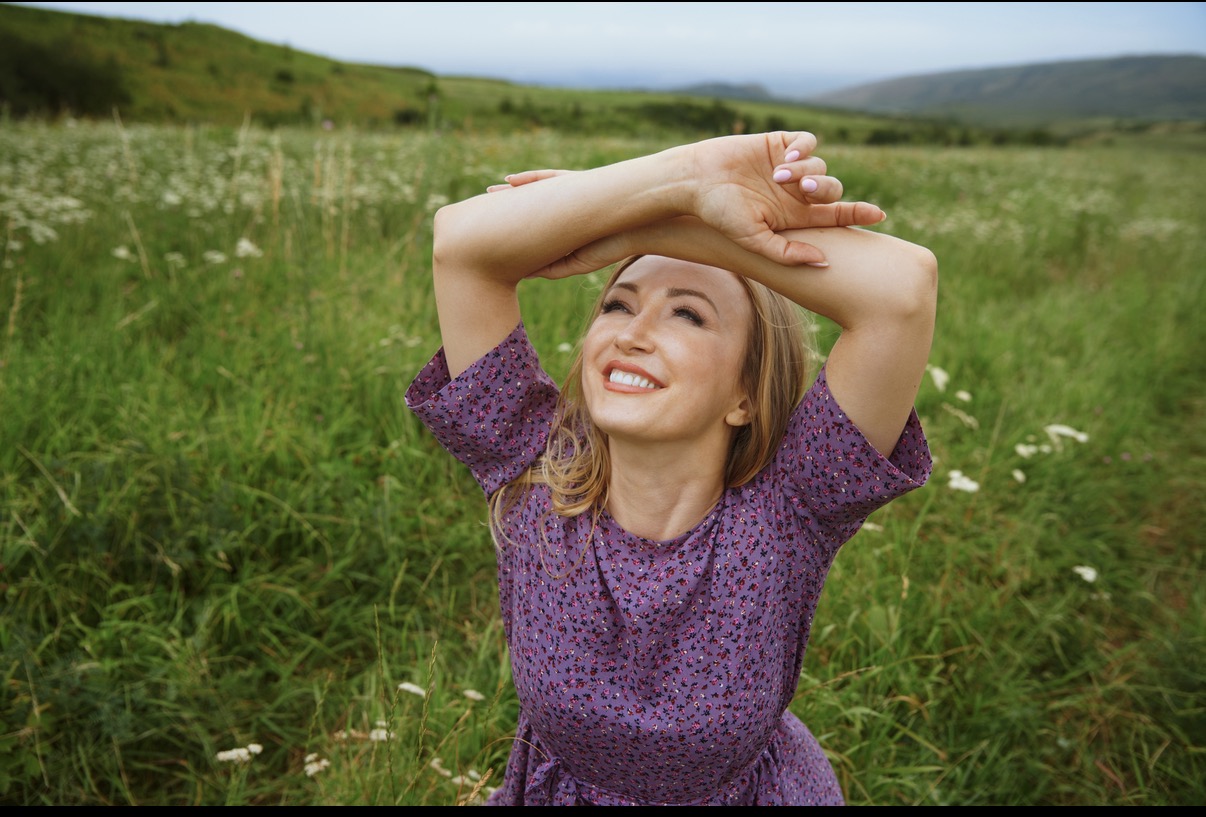
You present your work to an international audience. How important is your presence in the global art scene to you?
The international art scene is not simply an opportunity to exhibit my work in different countries; it is an important part of a much larger creative dream. I am an ambitious person, and I am not afraid to acknowledge that. Every new exhibition is another step toward making my artistic voice more distinct and expressive. I want my work to become recognizable one day without a signature, because people will be able to sense my style, energy, and unique way of seeing the world. At the same time, I am naturally curious, love discovering new places, meeting people, and exploring different cultures. That is why an international presence combines professional growth with my personal need to explore the world. I want to do more than become part of the international art community—I want to leave my own recognizable mark on it.
Photography is only one of your creative voices. You are also pursuing acting, ballroom dancing, and screenwriting. What connects these disciplines for you?
For me, photography, acting, screenwriting, and dance are different languages through which I tell stories. In photography, I observe a person through the lens, while in acting, I can step to the other side of the camera, experience someone else's story from within, and see the world through the eyes of another character. Screenwriting allows me to create characters, entire worlds, and destinies while exploring human nature and its inner contradictions. Ballroom dancing opens up a unique language of the body, in which movement can sometimes communicate more than words, while also teaching discipline and trust in a partner. All these disciplines are connected by my endless curiosity about life and my desire to continually discover new facets of myself. I do not know exactly where this journey will lead, but I do not want to limit it in advance to a single profession.
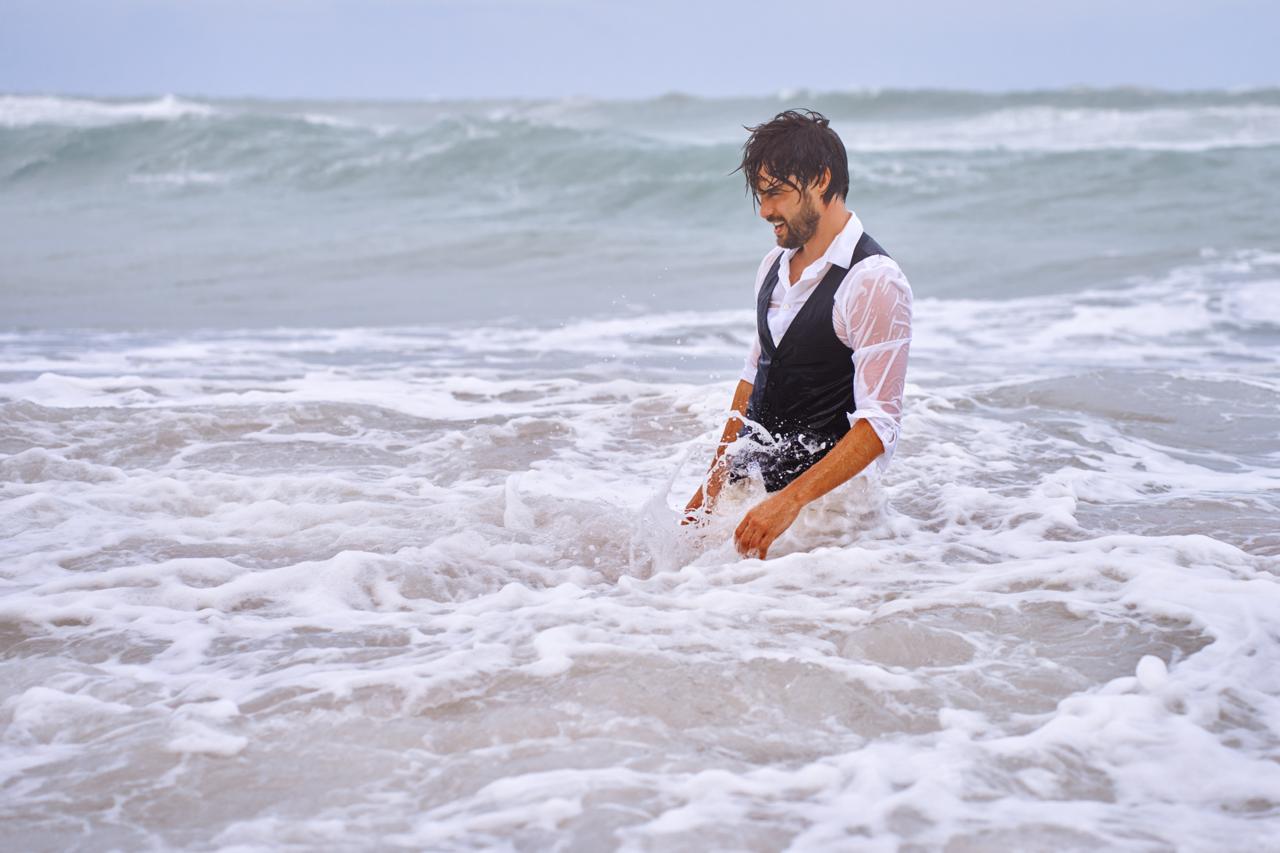
Featured in the photos: French actor Stephen Manas.
Photoshoot locations: Paris and Miami.
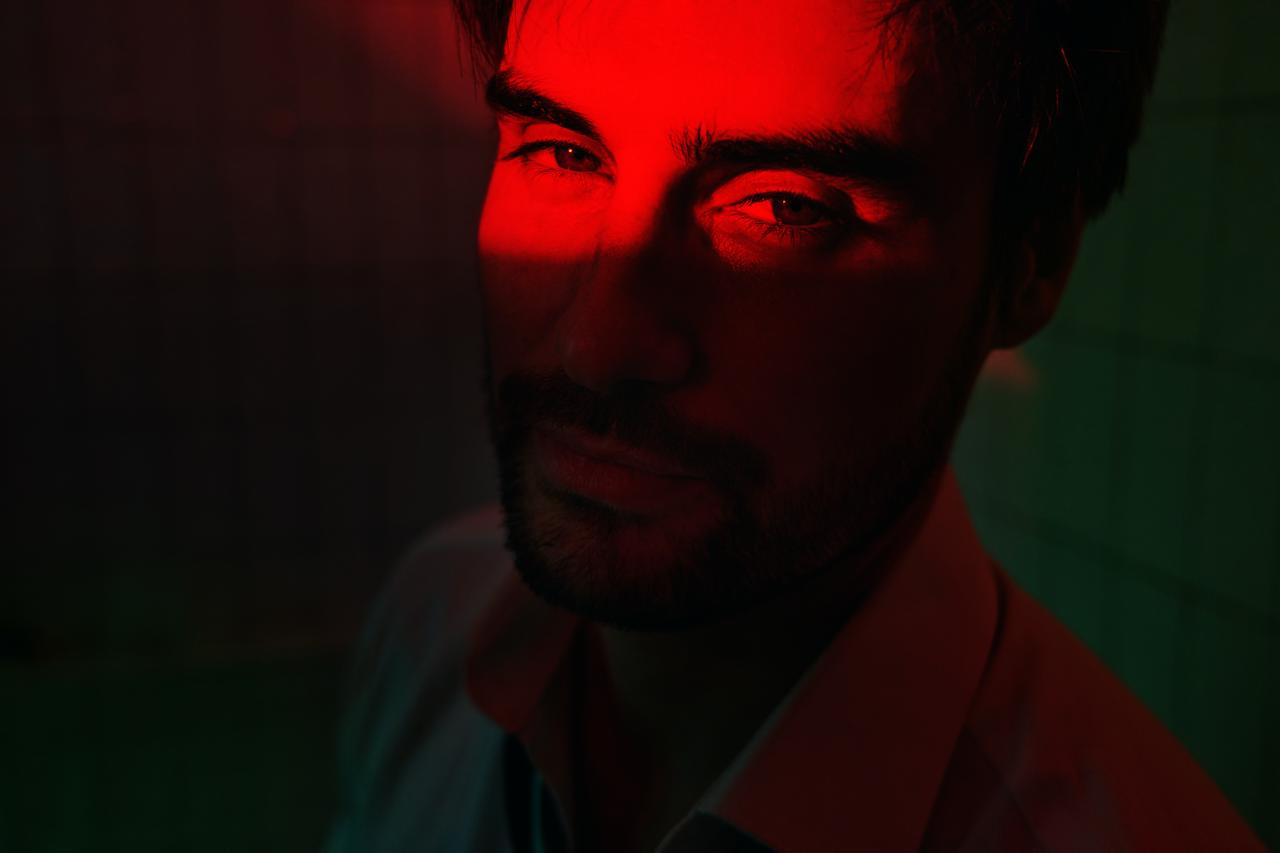
Behind every beautiful result lies an invisible part of the creative process. What has been the most difficult period of your journey? Which challenges have changed you the most?
The most difficult period for me has been the past few years, when major changes in my personal life coincided with my active entry into the international art scene. From the outside, a creative journey may look beautiful—Paris, Miami, exhibitions, publications, new projects—but behind it are sleepless nights, financial risks, unsuccessful attempts, and decisions that you have to make on your own. There were moments when I kept moving forward through tears, questioning whether I had enough strength for the next step, yet I did not want to give up on what truly mattered to me. In difficult situations, I often repeat to myself, “Something even better will definitely come out of this,” and try to recognize opportunities that were not immediately visible. Over time, I have also learned not to confuse other people's limitations with the boundaries of my own potential and to appreciate more deeply those who support my ideas and help me grow.
Photographer: @zheniketev