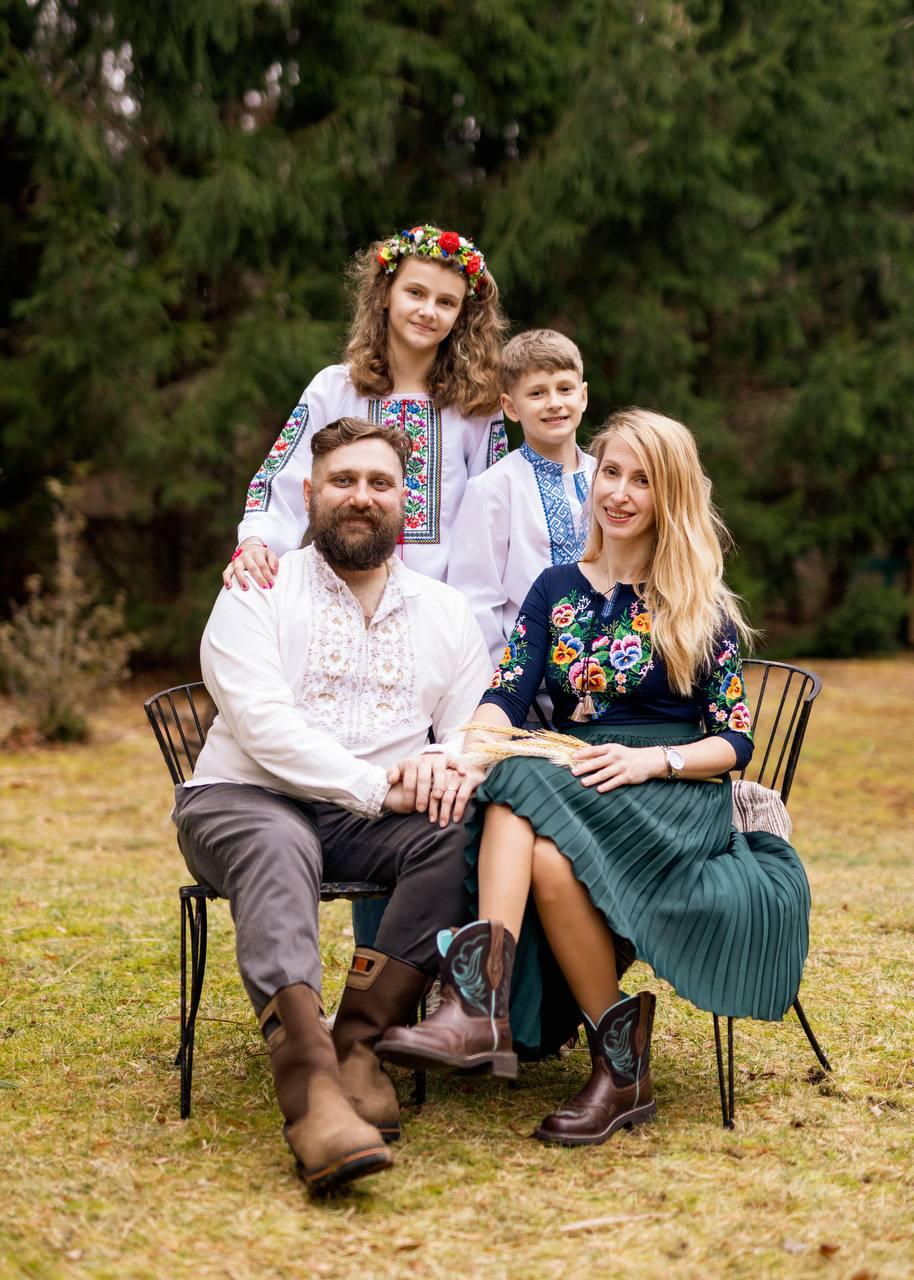

Nataliia Noble is a finance professional, entrepreneur, mother of three, and researcher continuing her professional journey in the United States. Her career began in Ukraine’s financial sector and later expanded into international entrepreneurship, business management, and immigration practice. Clients know her as a specialist capable of finding solutions in complex situations, yet financial analysis and systematic thinking have always remained at the core of her work. Today, Nataliia is devoting more attention to academic research, combining years of practical experience with a desire to understand the causes of financial crises and the mechanisms behind financial resilience.
instagram.com/she_knows.finance
Nataliia, could you share what led you to choose the United States as a place to live and pursue your personal and professional development?
Moving to the United States was never something I specifically planned; it was a decision shaped by family circumstances. Before that, we lived in Europe and developed our business, so an international environment was already part of my life. My professional journey began in Ukraine in the financial sector, where I worked in auditing, analysis, process management, performance metrics, and risk assessment. In Europe, I continued my financial education and entrepreneurial activities, while also facing the need to validate my qualifications and learn new regulatory frameworks. Gradually, I expanded my practice into immigration procedures and supporting entrepreneurs. In the United States, I deepened my knowledge of law and business and completed specialized training in immigration. Today, many people primarily know me as an immigration specialist, business manager, or someone they turn to when conventional solutions no longer work. However, behind every such assignment, I have always relied on analysis, risk assessment, and the search for a well-grounded strategy. Finance has always been the foundation of my professional thinking. Even when my work appeared to be purely organizational or document-related, I evaluated the economic feasibility of decisions, their consequences, and their long-term prospects. It is precisely this continuity between practical experience and financial education that now helps me formulate research questions.
You are a mother of three, an entrepreneur, and a finance professional, and now you aspire to continue your academic journey at the PhD level. What drives you to constantly raise the bar for yourself?
Mathematics, logic, and financial analysis have interested me since school. For me, finance is not just a profession but a way of asking questions and testing assumptions. Today, I am returning to academic research with experience gained across different countries, companies, and economic environments. I am writing research papers and studying financial crises, early risk indicators, business resilience, and the potential for recovery following economic shocks. I am exploring academic programs, including PhD opportunities, and participating in admissions processes. What matters to me is not simply earning another degree but developing research that can be applied in practice. Of course, I understand the value of time: I have three children and professional commitments. That is why I try to choose endeavors that have long-term significance rather than deliver only quick results. I am particularly interested in how small businesses change their behavior and financial discipline during periods of instability, why some business models prove resilient while others become vulnerable. These are questions that cannot always be explained by a single metric or a short-term forecast.
What does being a successful woman mean to you today?
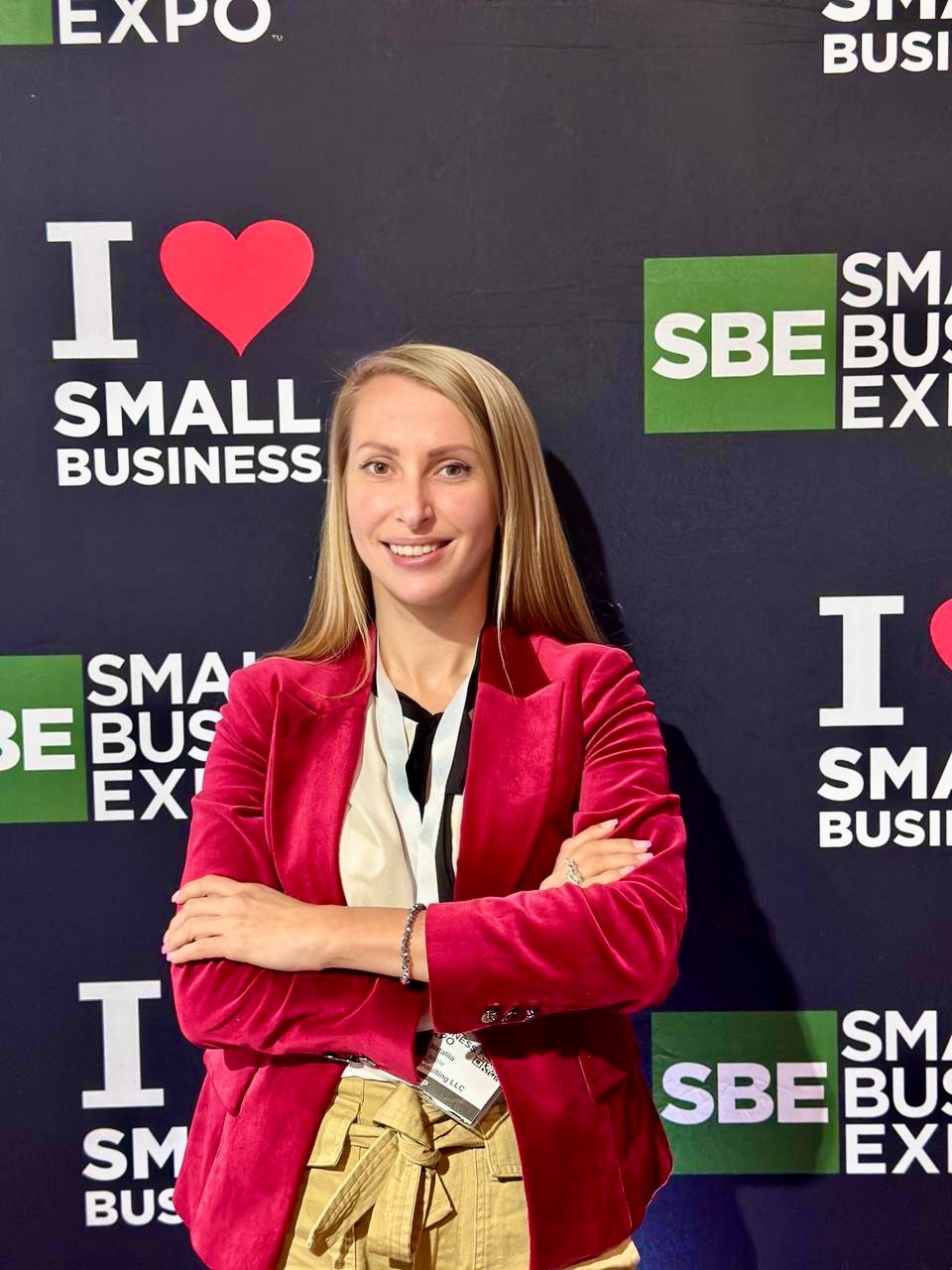
I do not measure success by the number of companies I own, the titles I hold, or the country I live in. What matters more to me is having the freedom to define my own priorities, take responsibility for my decisions, and pursue work I genuinely understand. I can manage business operations, advise clients, work on research, and, at home, be a mother who also needs to find time for each child’s individual needs. I sometimes joke that I am the “director of directors,” because everyone in our family has their own personality, plans, and responsibilities. At the same time, I do not believe a woman should have to prove her strength to anyone every single day. Success is not an endless race; it is the ability to live according to your values and remain genuinely interested in what you do.

You have repeatedly found yourself in circumstances that required independent decision-making. What has shaped your character and influenced your professional choices the most?
From childhood, I learned to rely on knowledge, logic, and my own sense of responsibility. Moving between countries taught me how to adapt to different rules, languages, and systems without expecting someone else to provide all the answers. Today, speaking several languages helps me work with people from different cultures and better understand their approaches to business. But what has influenced me the most is my habit of researching. At school, I was somewhat of an outsider: while my classmates went to parties, I could spend hours reading books, analyzing materials, and writing my first research papers. I was interested not only in what had happened but also in why it had happened and what consequences might follow. I now realize that this was not simply a temporary fascination but the beginning of a path I am gradually returning to.
You think big and work with international businesses, yet remain a very private person. Why don't you seek to talk about your achievements more often?
You don't show the whole world your bank account or disclose your salary, do you? (Smiles.) I believe finances prefer discretion. That does not mean I am closed off from people: for many years, my work has involved communication, helping clients, and resolving complicated issues. I simply would rather spend an hour reading a book, an analytical article, or making research notes than endlessly watching short videos or showcasing every step I take. I am more interested in the substance of my work than the noise surrounding it. Observing different financial systems, crises, and business behavior has convinced me that significant changes often begin long before anyone starts talking about them publicly. That is why I enjoy comparing facts, identifying patterns, and testing conclusions. Over the years, I have learned to notice more than I consider necessary to share immediately. For me, this is not about being mysterious but about professional restraint and responsibility for my words. It is especially important when discussing economic uncertainty, because careless statements can create false expectations. I prefer to speak when I have sufficient evidence rather than simply because someone expects an immediate reaction.

Does your return to academic research mean that you are leaving entrepreneurship, consulting, or your other professional pursuits behind?
Not at all. I am not saying goodbye to business or dismissing the experience that shaped me as a professional. Priorities simply change at different stages of life. My practical work has given me years of observations about business decisions, financial difficulties, and the ways companies navigate crises. Now, I want to examine these patterns more deeply and turn professional observations into well-supported conclusions. My experience in the U.S. military also gave me an important understanding of discipline and service. I never say “never,” and I do not rule out returning to military service, but right now, my children need me most. Academic research also gives me an opportunity to contribute to society in a different capacity: by seeking tools that help people and businesses better understand risks and navigate periods of crisis. Perhaps I am not changing my calling but simply finally giving it more time. I want the scale of my thinking to be reflected primarily in the results of my research. The greatest reward for me would be seeing those findings help entrepreneurs make more informed decisions and enable other researchers to ask new, more precise questions.