
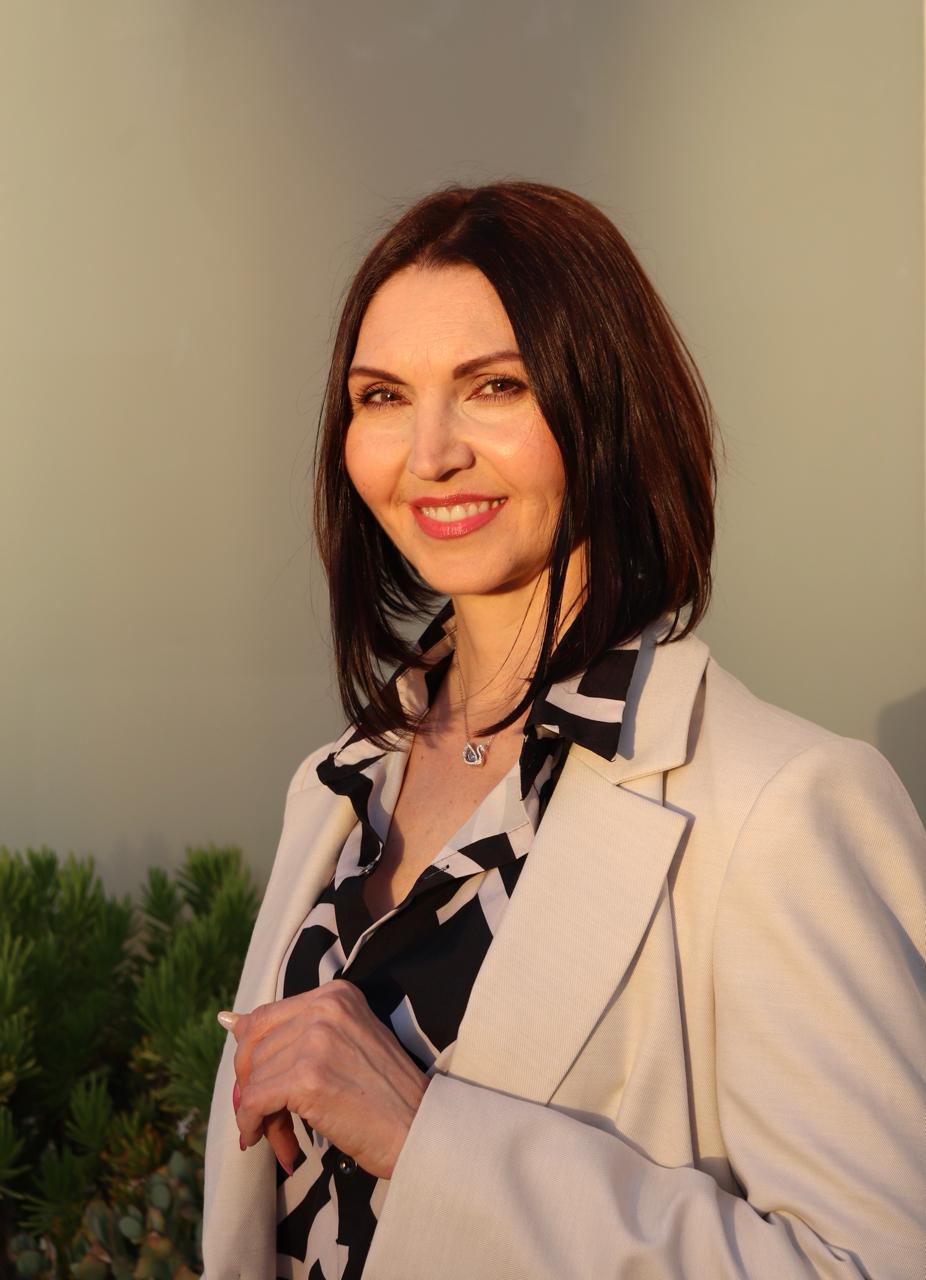
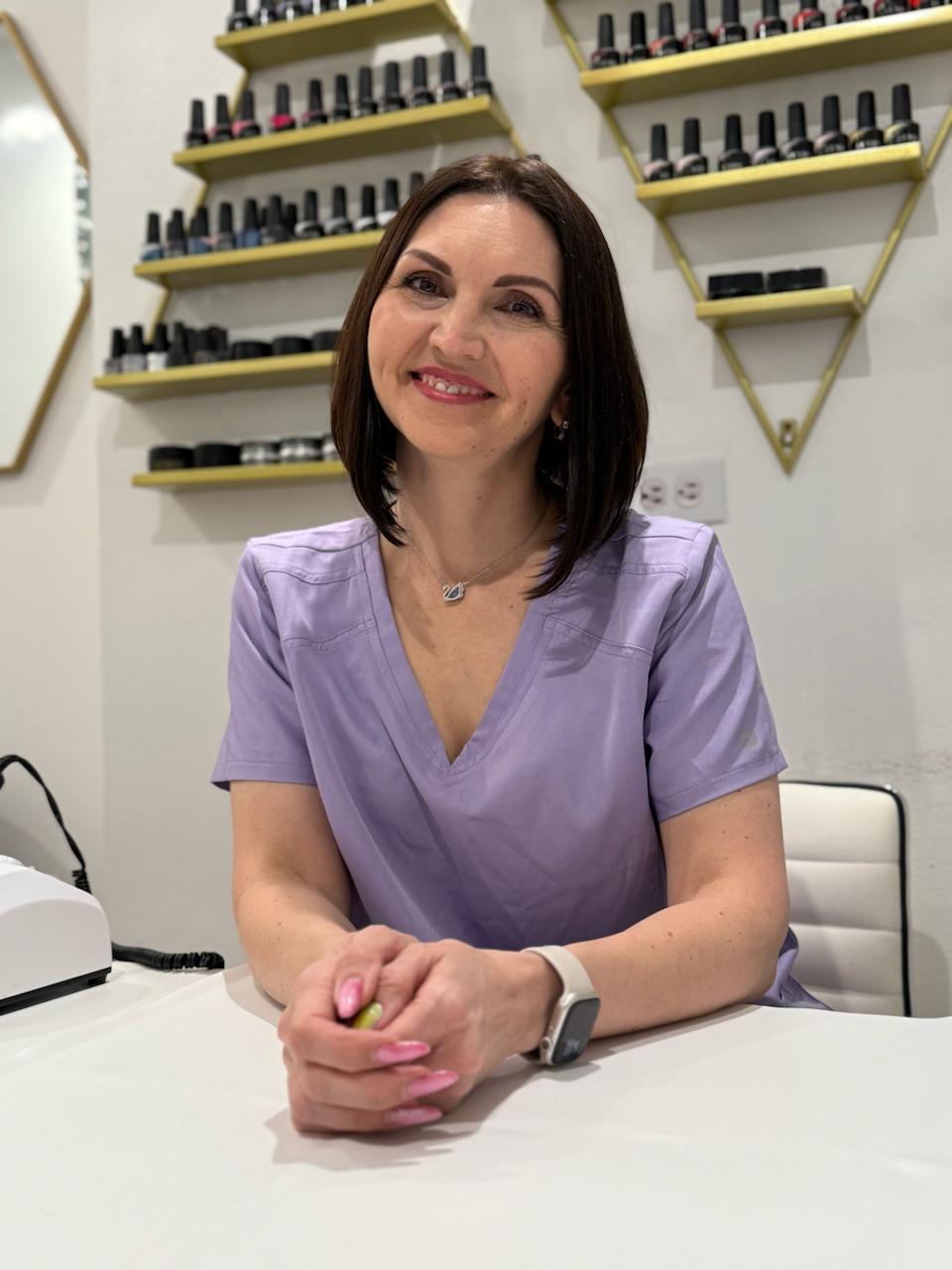
Margarita Kasianenko is the owner of a studio in Beverly Hills, a nail technician and educator with nearly 20 years of experience, and a professional whose career path has spanned Ukraine, Europe, and the United States. She is the winner of the international IBA Beauty Awards XXVI in the categories Best Salon Nail Look and Best French Manicure, confirming her high level on the global beauty scene. She is one of those women who do not simply “work in the profession,” but shape their own style, culture, and philosophy within it. In this interview, we talk about choosing a profession, emigration, and the American beauty market from the inside, and about why a true expert is always more than just a good technician.
Margarita, you have nearly 20 years in the nail industry behind you. Tell us, what were you like when you first entered the profession?
I came into this field not with ambitions to build a beauty career, but rather from a life necessity to find myself in a new role. At that time, I was a young mother on maternity leave, studying part-time, and I had come to Kharkiv for a few months to stay with my mother while finishing my exams. It was my mother who suggested, “Would you like to take a hairdressing course? You can cut my hair.” We joked about it, and I agreed more out of curiosity than with a clear understanding of where it would lead. At those courses, they also taught nail services, and suddenly I felt: this is it. I unexpectedly fell in love not just with doing nails, but with working with details, shape, cleanliness, and bringing the result to a point where I could say to myself: “Yes, this is quality.” At first, I did manicures for friends, acquaintances, and relatives without any expectations of income or a career. But gradually, it stopped being just a hobby.
Over the years, the profession has changed dramatically. How did you change along with these processes?
The industry has truly undergone a revolution: from simple coatings and acrylics to complex systems, electric file techniques, Japanese minimalism, gel polishes, new shapes, and a new philosophy of care. I have always chosen a path not of learning once and working that way forever, but of constantly updating my knowledge. I am always studying—taking courses, marathons, and advanced training in manicures, pedicures, podology, sculpting, and nail extensions. One thing has remained constant for me: my attitude toward quality. I cannot work carelessly. I cannot ignore details. I cannot leave a job if I internally know it could be done better. But I have had to rethink many things: speed, service format, communication with the client, and even the role of the technician itself.
You now live in Los Angeles. What was your internal state at the moment of emigration?
America had been my dream since school. Back then, I was learning English and constantly told my mother that one day I wanted to go there. But life took its course, and that dream stayed somewhere on the periphery for a long time. Then came COVID. Over time, I felt the desire for change, and I began looking for ways to realize myself. I graduated from the London Wellness Academy and found an opportunity to work as a technician on the cruise liner Celebrity Silhouette. That was my first real contact with America, an English-speaking environment, and the international service industry. This experience opened new opportunities and a new way of thinking. My dreams started coming true: traveling around the world, working in a profession I loved, and earning money. Then came the war, the United for Ukraine program. The move was not romantic; it was a path full of uncertainty. I arrived in the U.S. without illusions, but with hope: that I could work, earn, realize myself, and be independent.
Even with 20 years of experience, in the U.S. you essentially have to start over. What helped you not to break down or devalue your journey?
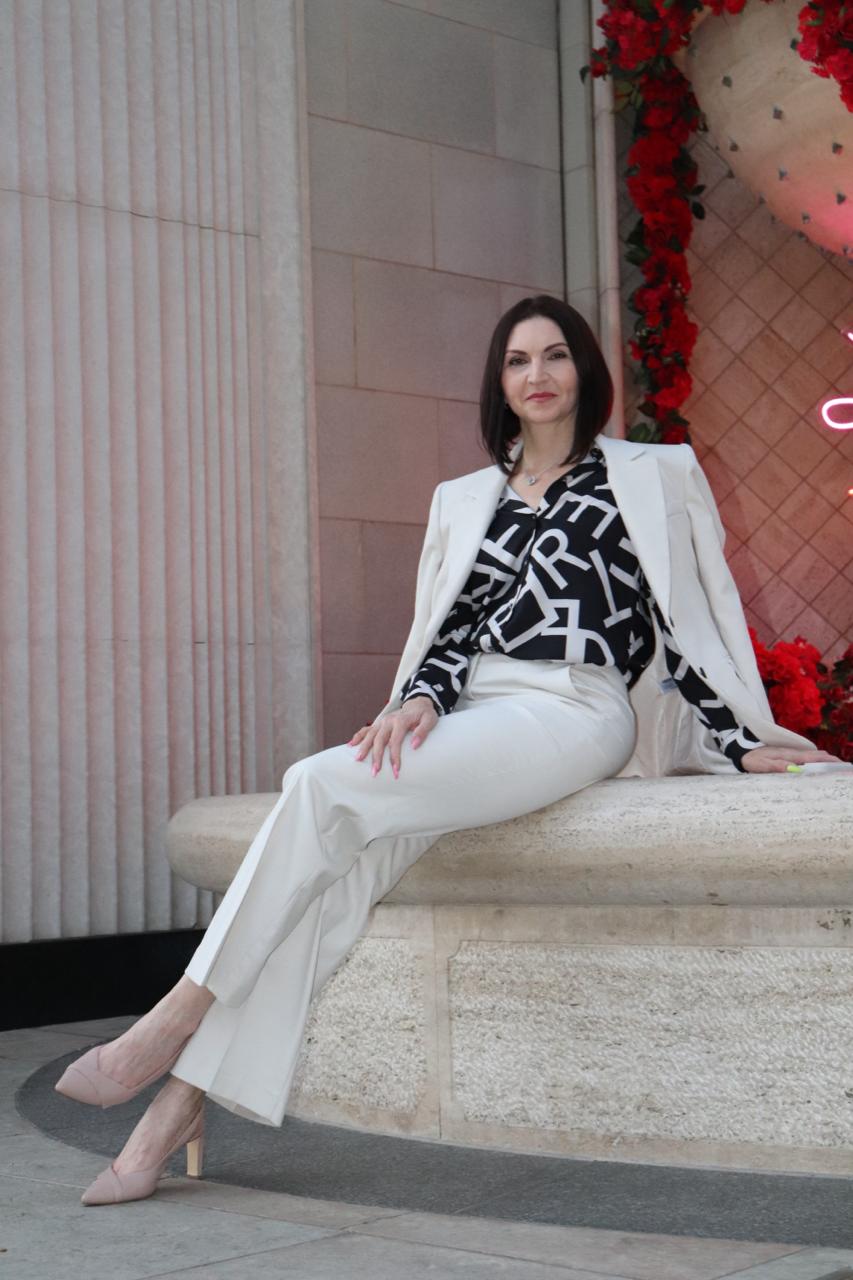
What supported me most was the understanding that my experience was not zero. Yes, in the U.S. the rules are different—you cannot work as a technician without a state license, so I had to pass the exam and obtain one. The standards and service culture are different. But my hands, my vision, and my work ethic did not disappear. I knew that if I came here, I would work as a nail technician, because it is my strength. I saw salons with shocking sanitation standards. I worked as a top technician in a salon with a European manicure culture. But I am not afraid to look for my own place, and within a year I opened my own studio in Beverly Hills.
Did America give you a new impulse as a creative person?
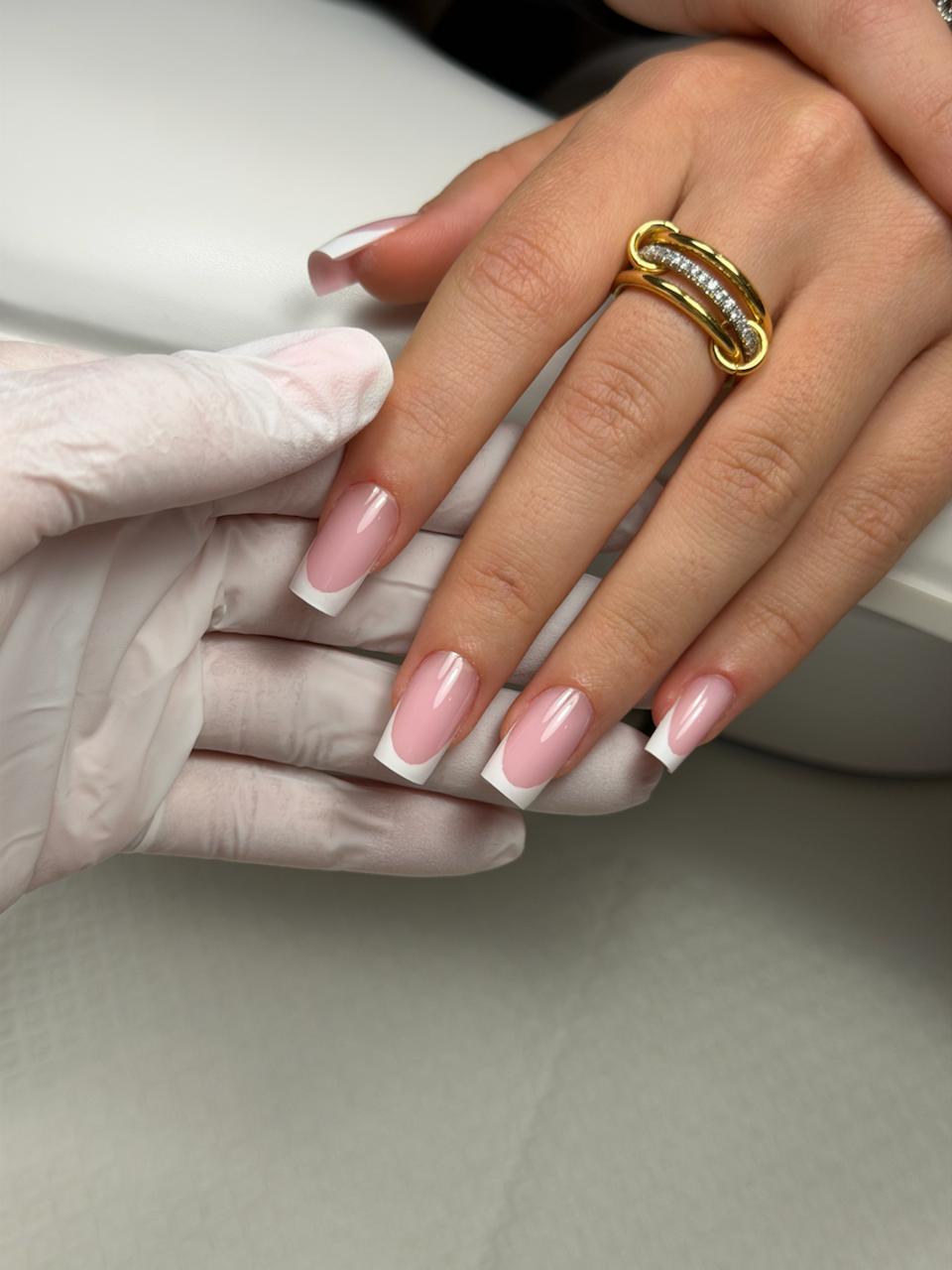
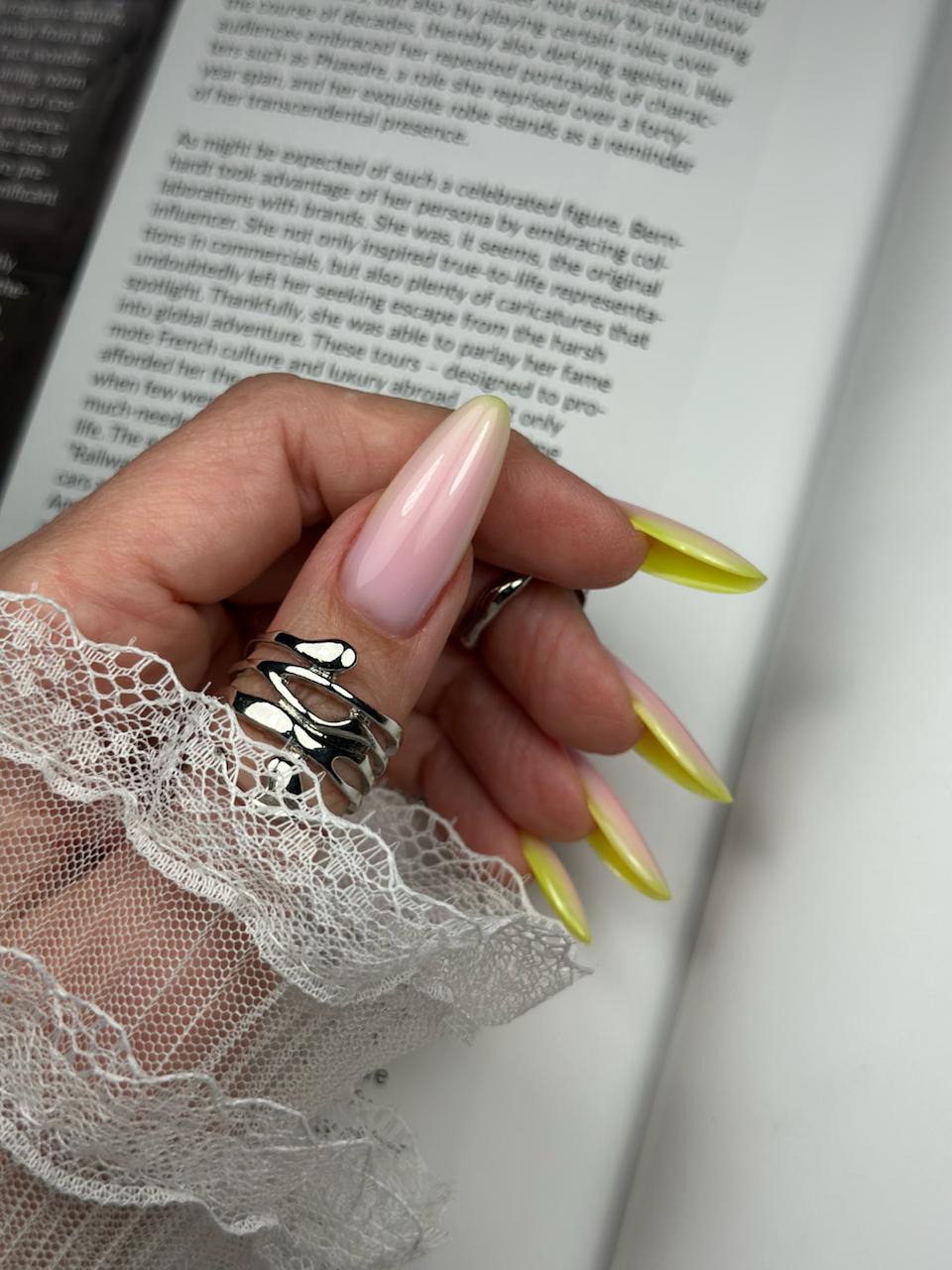
Yes, absolutely. America gave me not only a new market, but also a new inner freedom. Here, I began to see myself not just as a technician, but as an expert—a person who shapes service culture. My style became more restrained, more minimalist, more about shape, cleanliness, and balance. In Ukraine, I worked a lot with designs, hand-painting, and creative solutions. Here, the foundation is nude, French, red, perfect shape, and perfect cuticle. I also continue to conduct offline advanced training courses for technicians. I feel my mission and calling when my students begin working confidently and earning more. In this, I see great professional growth.
You plan to participate in professional competitions. What does this step mean to you at this stage of your life and career?
For me, it is first and foremost a challenge to myself. I want to confirm internally that I can compete at a high level. Of course, it is also about status, brand, and client trust—but it all starts with an inner need. I
have already participated in symposiums and championships, and it gave me excitement and a sense of movement. I have never been afraid of new challenges, and now is exactly the stage when I want to go beyond the familiar.
What is the fundamental difference between the nail industry in the U.S. and that of Ukraine or Europe?
In the U.S., the nail industry is very commercial and fast-paced. Time is money, and many clients are used to a manicure that takes 30 minutes. In Ukraine and Europe, the culture is different—there is more attention to detail, service, procedure time, and aesthetics. American clients often do not understand why a manicure can take two hours and cost much more. But when they see the result—perfect shape, cleanliness, and durability—they begin to appreciate it. We are essentially introducing them to a new culture of care. For technicians, this means a different mindset: here, you must not only know how to work with your hands, but also explain in English, persuade, and shape demand.
What helps you avoid burnout after so many years in the industry?
People inspire me. The moment when a client looks at her hands and says, “Oh my God, how beautiful,” energizes me more than any vacation. For me, it is important to be not only a technician, but also a person who supports and listens. Energy comes from constant learning, pauses, and balance between work and life—it is not a luxury, but a necessity. Today, I feel that this is only the beginning. I am developing my own brand as an extension of my experience, values, and vision, and that is exactly what inspires me to keep moving forward without burnout.